I do believe that there are concepts in any art form that are universal. With that believe, I also explore other art forms for inspiration, ideas and motivation as well as skills and knowledge. I have recently embarked on trying to improve my photography skills as I am notoriously bad at it. In the process of reading up on this topic, I stumbled upon this statement:
“Ultimately, simplicity is the goal in every art, and achieving simplicity is one of the hardest things to do. Yet it is easily the most essential.”
What does this mean for Bonsai? Bonsai in its simplest form is a tree in a pot that resembles an old tree in nature. That then probably takes us back to the original design concepts as proposed by Chinese and Japanese scholars and masters from the beginning to today. My own opinion is that the strictness of the original, especially Japanese rules, have been watered down over the years as Bonsai art started to spread to other parts of the world since World War II. Western ideas of what art looks like and what it should be as the individual philosophies of artists as well as the type of Bonsai material that they can work on has shaped this over time.
Simplicity can also refer to the horticultural side of keeping trees alive. It comes down to water, nutrients, climate, inclusive of light requirements. Yes, it is that simple, but take any one of these for granted and you end up with a deteriorating or dead tree.
From a design perspective it is important to know something about the different styles or forms of Bonsai and by then adhering to the style “rules” in its purist form, simplicity in design will be shown. Part of this is to follow the basic shape and growth pattern of the original tree if it comes from nature or has been in a pot for a long time. Radically changing the shape or form of a tree away from its natural flow, can not only stress the tree, but also lead to a quite complicated design that might need constant maintenance or interference to keep it in that shape. This means that the tree is kept under stress for a longer period of time.
A tree that does not show these characteristics or one that can be shaped from seedling or cutting stage will be easier to shape and still adhere to the concept of simplicity. What does this look like?
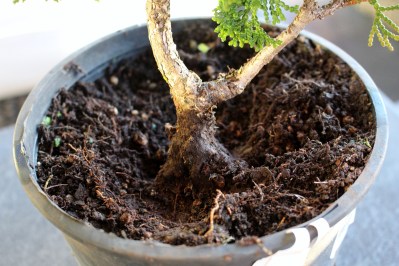
- Establish a flared, radial root system growing from a wider buttress and is exposed at soil level.
- From here a gradually tapering trunk will grow depending on the style.
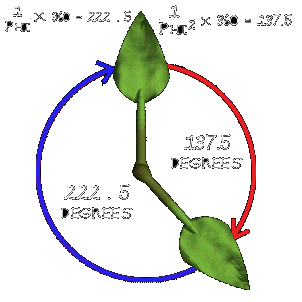
- The first branches will start about a third of the trunk height from the soil and will alternatively grow on two sides of the trunk with every third one to wards the back.
- These branches will gradually become shorter and thinner as you move towards the top or apex of the tree.
- The apex could be in-line with the nebari or base of the trunk.
- Finer branches are grouped to allow the leaves or needles to form “foliage clouds”.
- Empty spaces or the spaces between the branches will balance the tree to form a whole or one unit to look at.
That is bonsai design at its simplest or most basic. We do know that it is never that simple. Branches do not necessarily grow in that pattern and nature sometimes play cruel tricks on plants (this could be great for Bonsai) to alter growth patterns and directions. This is where the artist comes in and it leads to a second quote from a photography resource:
“Photography is not looking, it is feeling. If you cannot feel what you are looking at, then you are never going to get others to feel anything when they look at your pictures.”
I am not too concerned about what other people think of my trees. I need to be moved or have an emotional reaction to a tree for it to make impact. I also do believe that it is this, the fact that a Bonsai tree can invoke a feeling, an emotional reaction, that makes it art. I also do believe that it is usually the simplicity in a design or form that triggers the higher emotion. Less is more. Wabi-sabi. Literati. The emotion of a trees that looks old, feels old, shows character, fits its pot and as a whole make you stand still and study it, is a piece of art.
A lot of very complicated designs, excruciating bending, very heavy wire and at times heavy machinery (not really, just power tools), are used to get a tree to look like a Bonsai tree. Is this part of our instant generation? It has its place under the right conditions. I just wonder whether going back to the original simplistic view of Bonsai, the pure meaning behind the art form and taking a longer view or approach to the development of the tree, might not stir a stronger emotional reaction and make more people fall in love (also known as addiction) with this pure, simple and very rich art form.


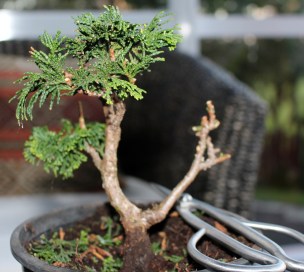


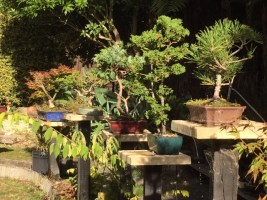 therefore important to be in touch with the sources of our inspiration. I have recently returned from a conference relating to Education where I was exposed to a variety of speakers. I was very aware that during and immediately after the conference, I was definitely more motivated to work on certain things in my main job. This came from listening to these powerful speakers and becoming aware of the latest trends in my vocation. This is the same for my Bonsai activities.
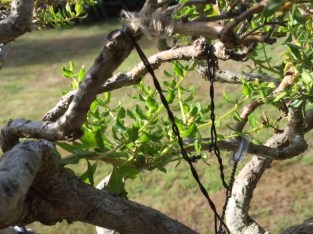 Exposure to other Bonsai people will lead to higher levels of inspiration and motivation. I live in an area in New Zealand where there are not that many other Bonsai enthusiasts and you sometimes do feel isolated. To overcome this, I have to make an effort to meet up with other Bonsai people. The local club, although very small, serves as a source of inspiration. I am the teacher here and other people rely on me for the advancement of their skills and knowledge. This places me in a position where I have to stay on top of my game. Through this I have also realised that I only know about the tip of the iceberg and that I need to learn as well. Again it comes back to people, as I can only get this knowledge and skills from others who are more advanced than me, or have produced resources that I can learn from. So, first of all people.
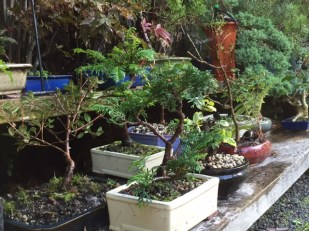 to learn or practice. I like the way that a lot of martial arts movements are set up. There is a clear line to follow from beginner level through to a very advanced level. I am not saying that we have to start different colour belts to show our proficiency in Bonsai, but the levels of training can be copied. A sensei at one dojo always learns from a more advanced practitioner somewhere else. This means you either have to go places or you have to get the masters to your place. This is already happening in Bonsai throughout the world and this has opened up many more opportunities for Bonsai professionals. As a side note, I do use the term Bonsai professional in a different context to Bonsai master. Not all professionals are masters and not all masters are professionals. More on this in later blogs. Back to the main thread of this blog. Where do we get inspiration from to excell in Bonsai activities? I have already established that it is mainly through the exposure to other people and preferably to more advanced practitioners. That means that you have to be a regular club member, be active in this club and teach at that level. The next step is to align yourself to an organisation or club where more advanced teaching takes place. From there it is important to attend shows, regional and national and even international teaching opportunities. Displaying your own trees is a big part of this. Immense growth takes place when you receive feedback from visiting judges once you get over the fact that you might get some negative input as well. Good teachers will make sure that this feedback is constructive and you can learn much from that. Just leave your ego at the door when you go into this type of situation, after-all, there is no ego in Bonsai as an art form.
 Other forms of inspiration comes from man made resources. I find a lot of inspiration in my very large Bonsai library (wonder what the total cost of this is), which consists of books and many magazines. I currently hold a subscription to two international magazines and also receive our national production on a regular basis. Books come through online bookshops and I am now also in the fortunate position that I receive books from publishers and authors to review. Magazines keep me up to date with what is happening in the Bonsai world and brings the latest shows into my living room.
 good quality channels and people who regularly post new material and from which I learn heaps. Just type Bonsai in the search area and you will find a great resources at your fingertips. While I am on internet based things, Facebook is exploding around Bonsai matters (probably lots of other things as well). One needs to be disciplined when you venture into this mosh pit of activity. Not everyone who has a presence here are noteworthy, but most of the “big” names in Bonsai are represented here.


 crawled and sprinted on, comes from Doreen Marcial Paraba in her book “Unlocking your Creativity” (2015) where she states that “Creativity is initiating, activating, and complementing ideas that are original, unusual, useful, or innovative. The ideas may advance an existing concept or seemingly spring forth from nowhere”.


 You will probably not develop a very high skill level by just reading or just watching other people engaged in the practice of Bonsai. Learning is an active process. You need practice, you need to do and you need to get feedback to enable you to learn. Another great way of learning is when you start to share your knowledge and skill with others. In other words, teaching. Learning is a very interesting area of science. It is all about establishing neural pathways within your nervous system. The more you do something or interact with it, the easier data flows along these pathways and it can become an automatic response. Can you imagine how hard it will be if you have practiced the wrong technique over and over again and then have to unlearn it to enable you to learn the correct one. This is another reason why we do need exposure to others to establish these neural networks. Learning is also a social practice.
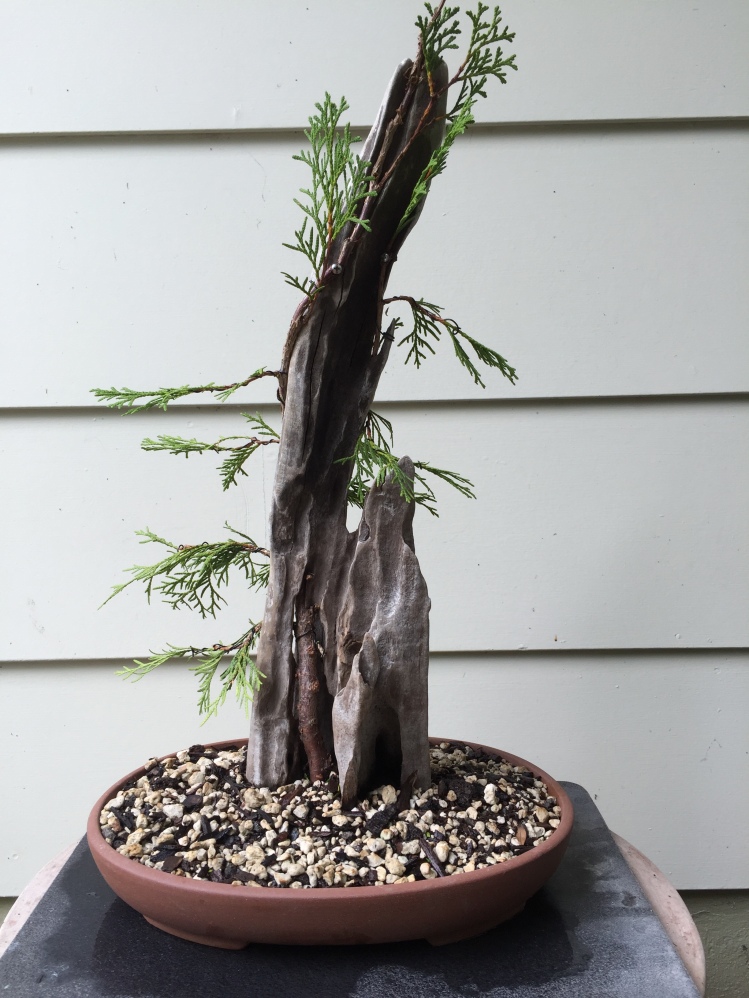

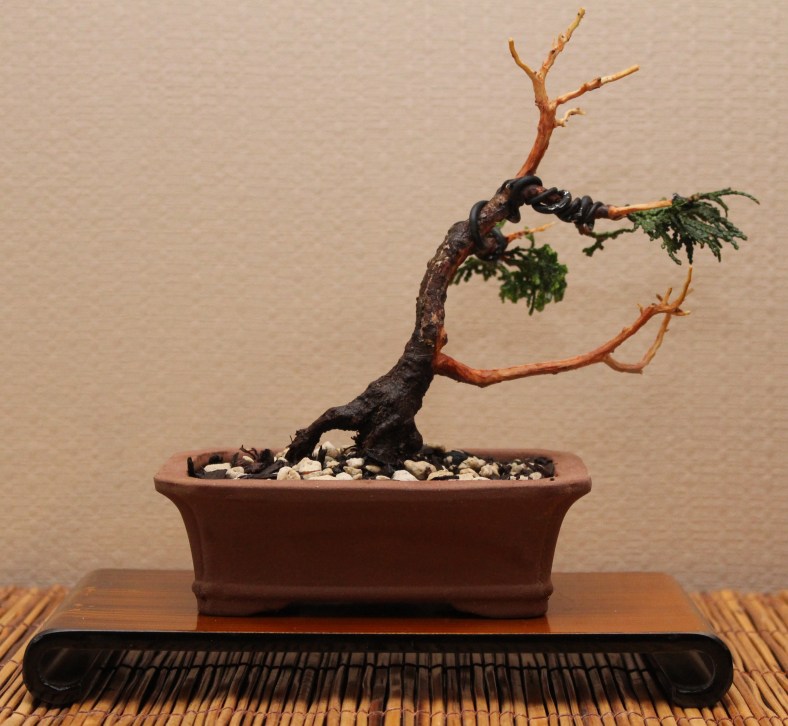
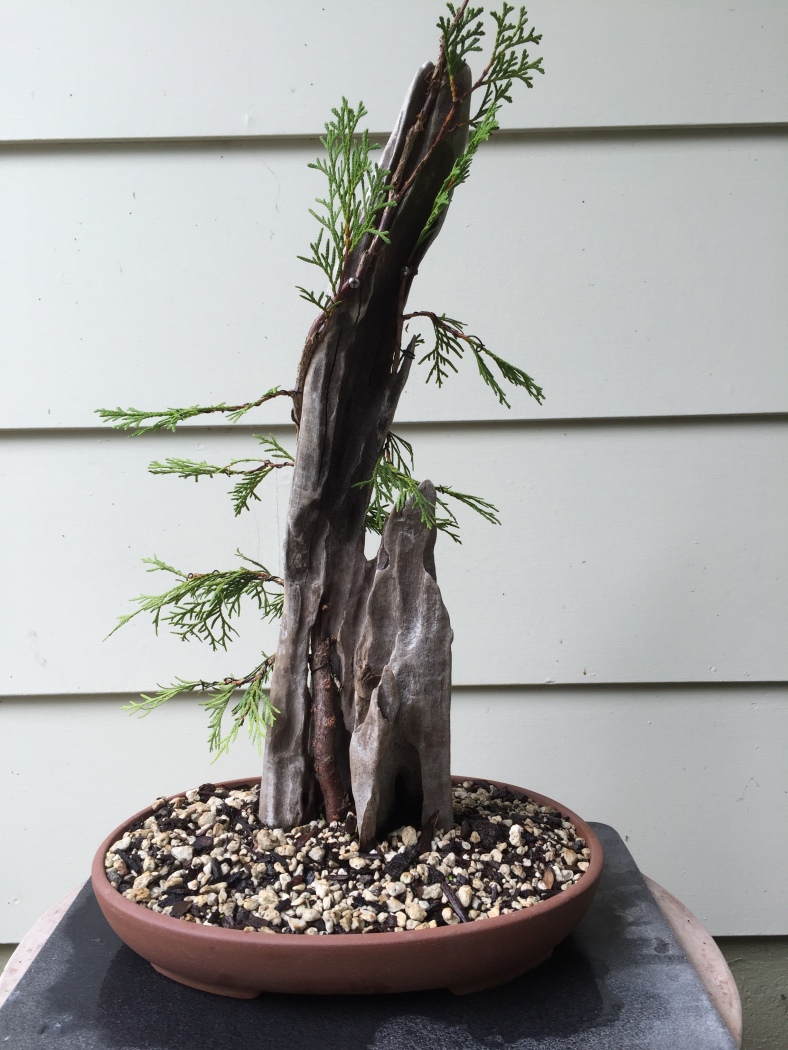
 I first had to find the right tree. I decided on a young Juniper with a lot of flexibility. The next project was to find a suitable, characterful piece of deadwood. I managed to get a piece on the beach. A note of warning is needed here. If driftwood from a beach is used, it is important to get rid of all salt on and in the wood. I submersed the wood for three weeks in fresh water and regularly changed the water as well as used a high pressure stream of water and scrubbing on it. It was then left in the sun for another week. The third component was a pot selected from my pot collection.
 the deadwood and tree must be secured very firmly. It is wise to get a hardener on the deadwood. I treated it with lime sulphur as the bottom part will be in the wet soil. I have read that the end could also be placed on a solid object like a tile to minimise the part in contact with the soil. My first challenge was to drill extra holes in the pot. For the first time in my life, I had a pot which is so hard, that the drill bit did not even make an indentation on the pot. The tie wires therefore had to be attached through the drainage holes.






 en
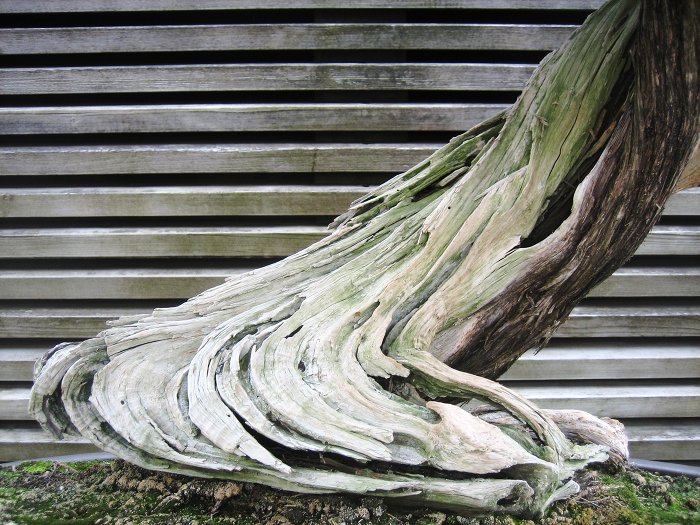
en he stem puts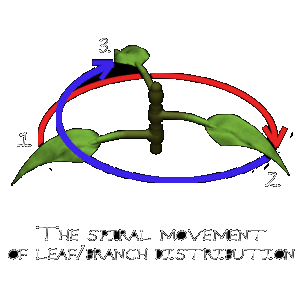

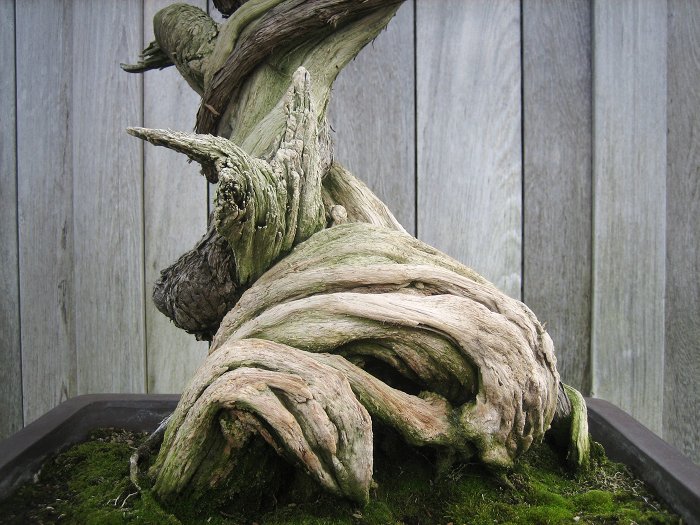
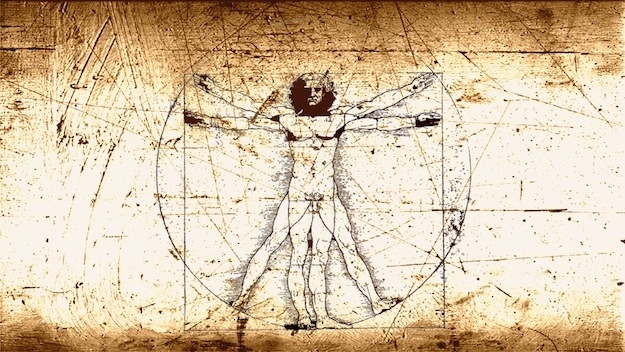
 , you are correct. Da Vinci never designed Bonsai, as a

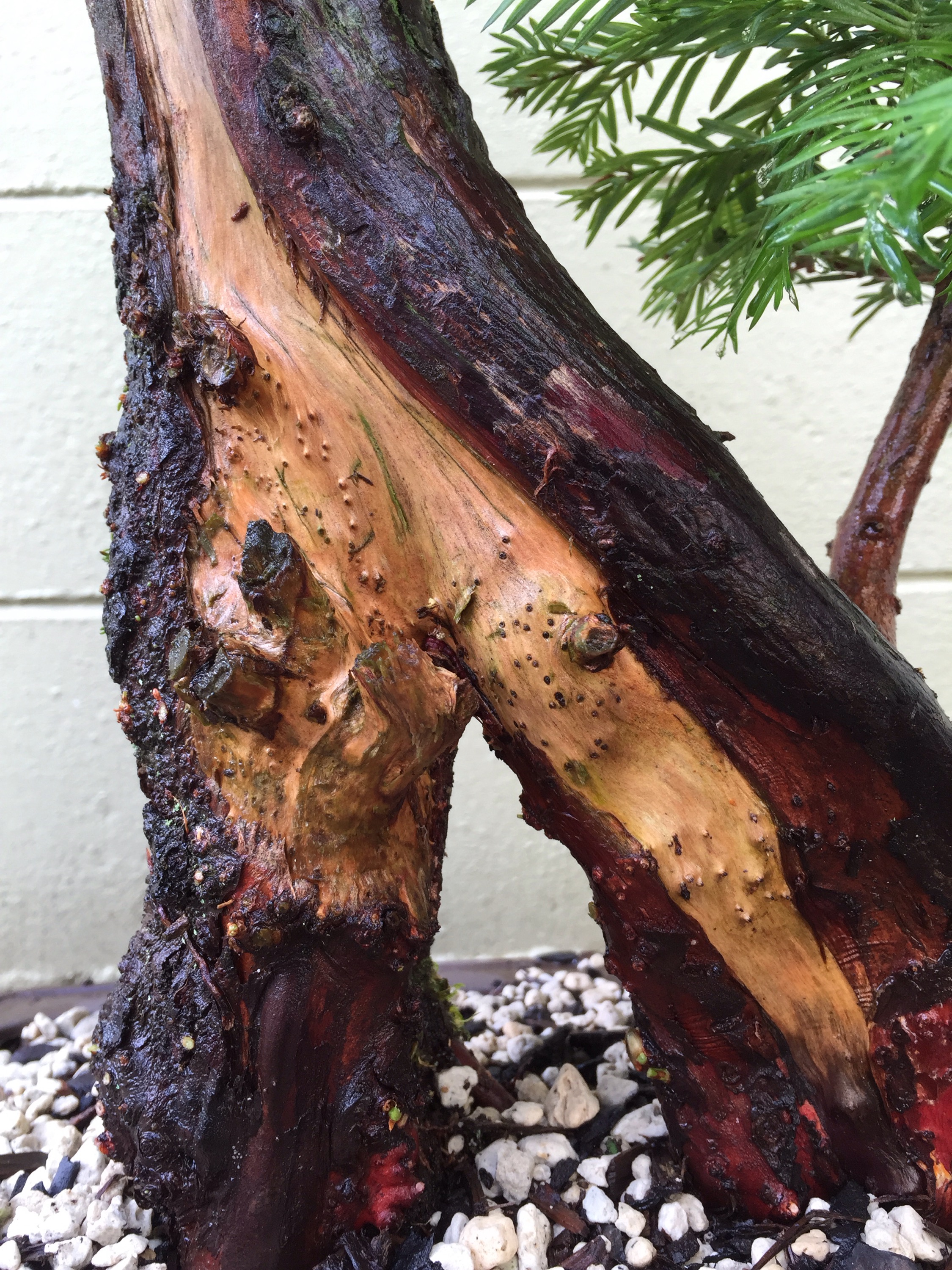

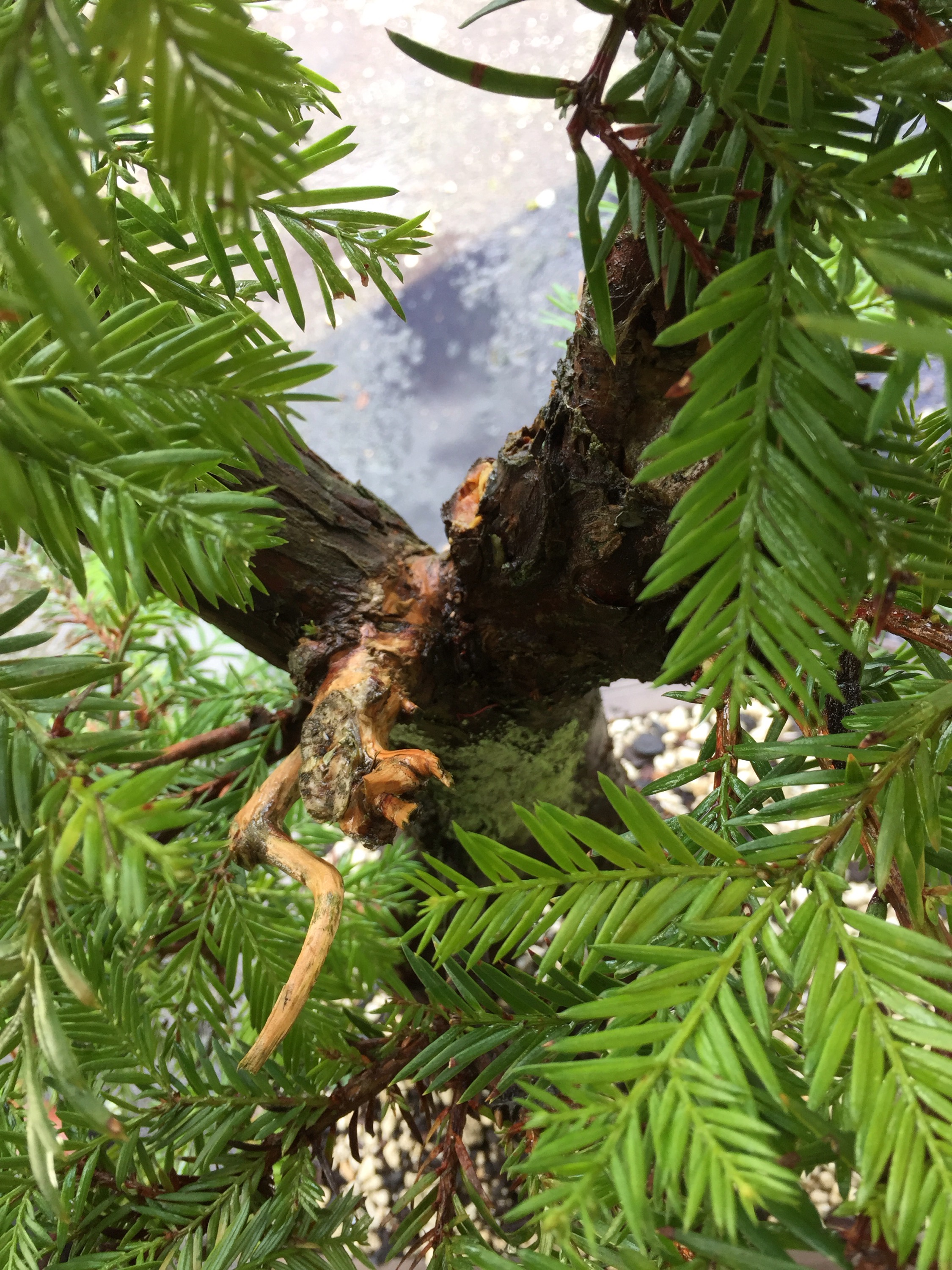


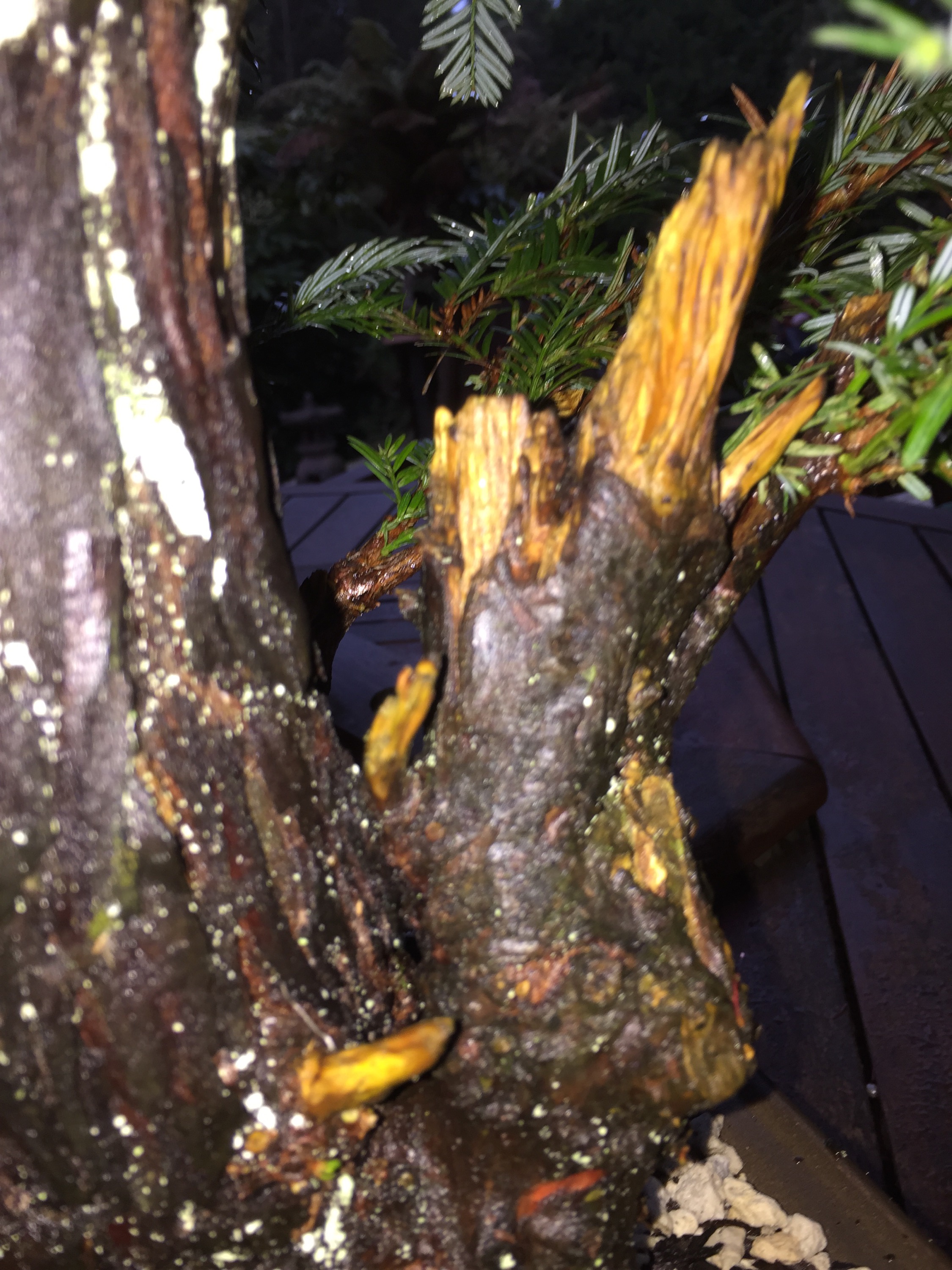
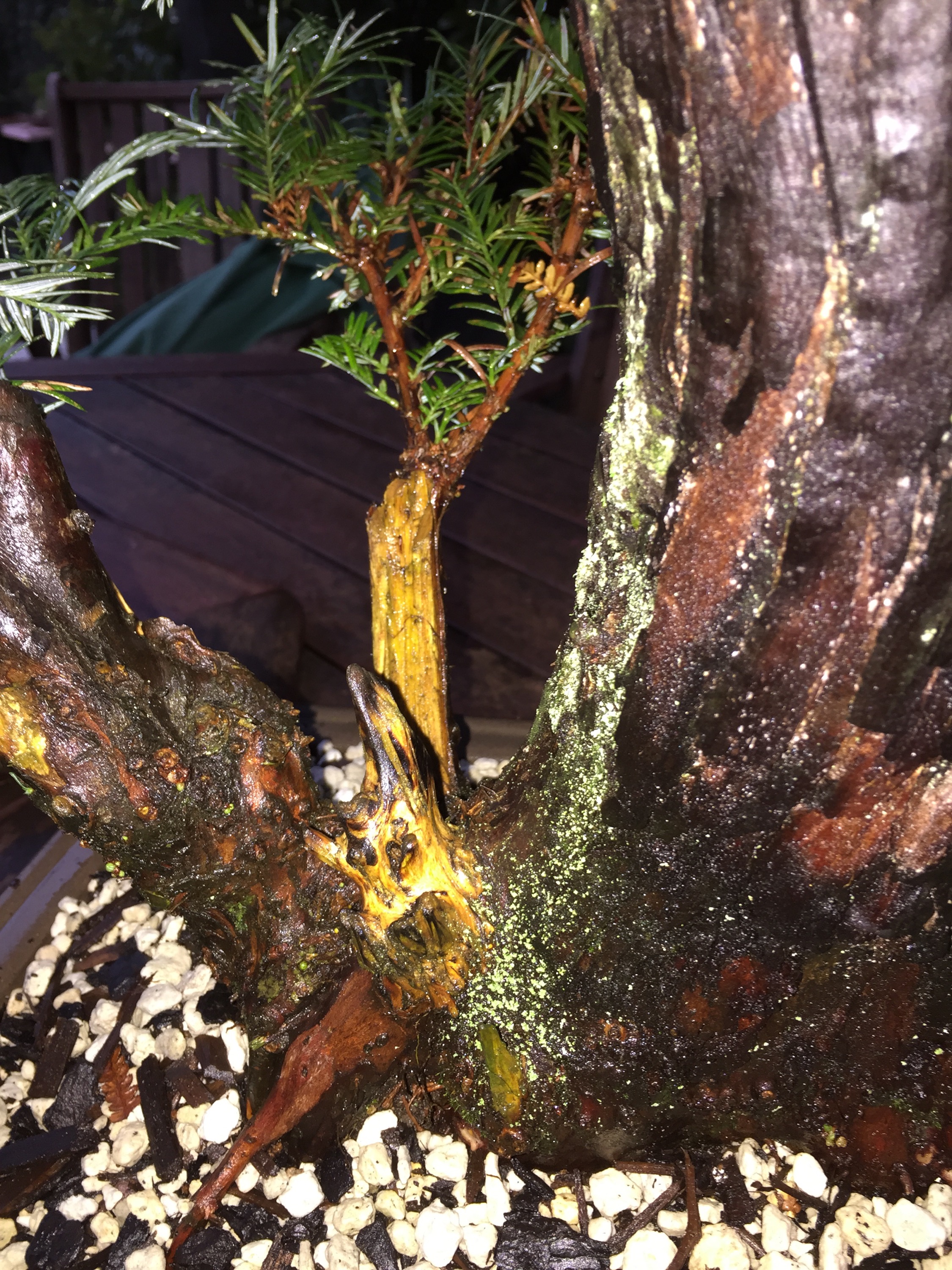
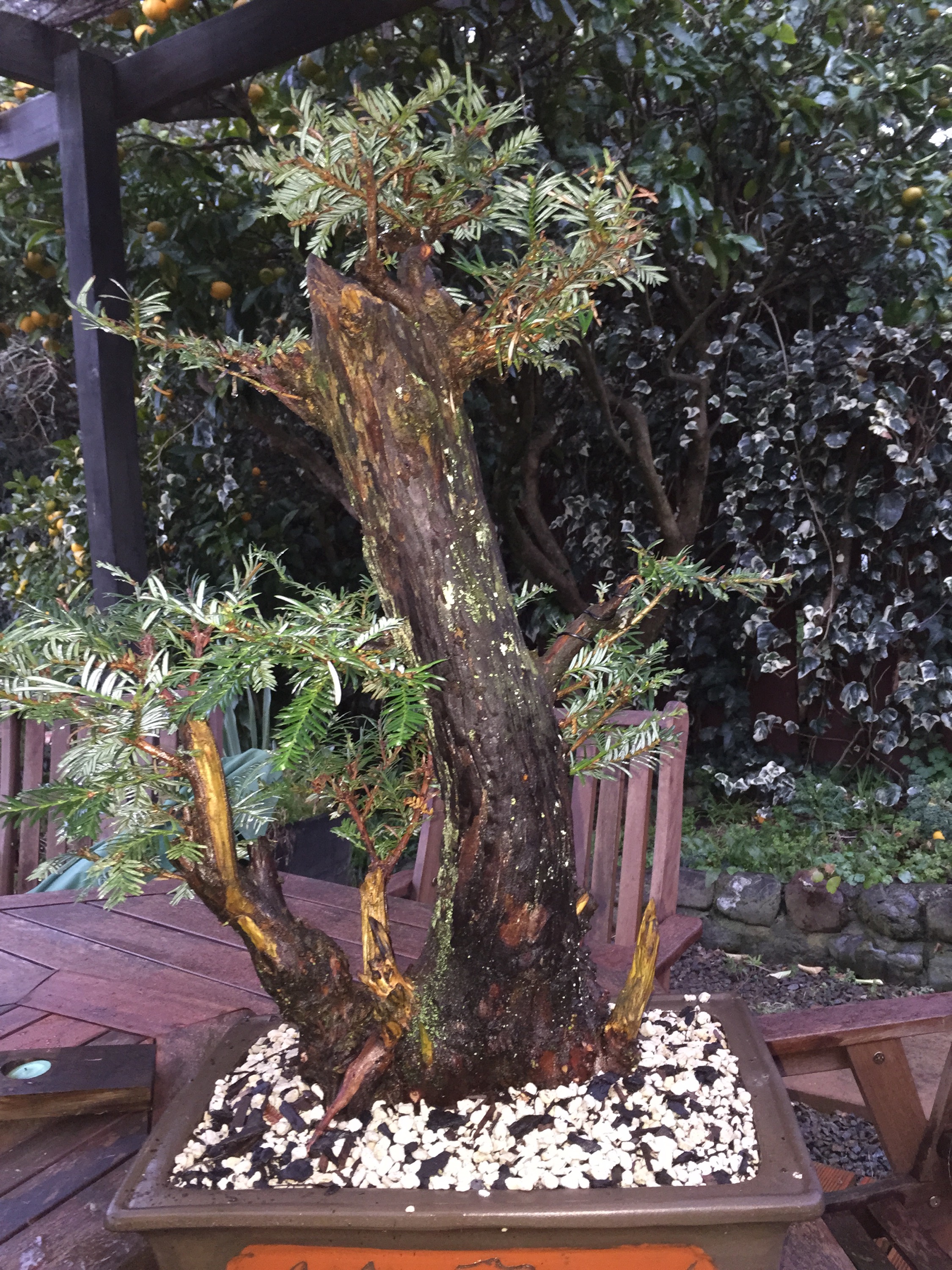

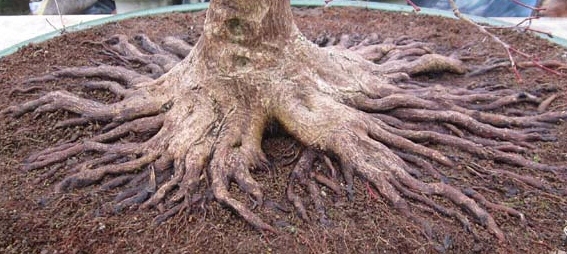


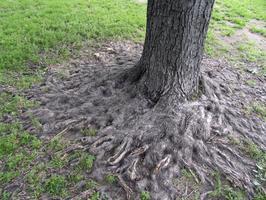 at some sort of Nebari be established as it indicates age, shows that the tree is balanced and sturdy and has been there for a long time.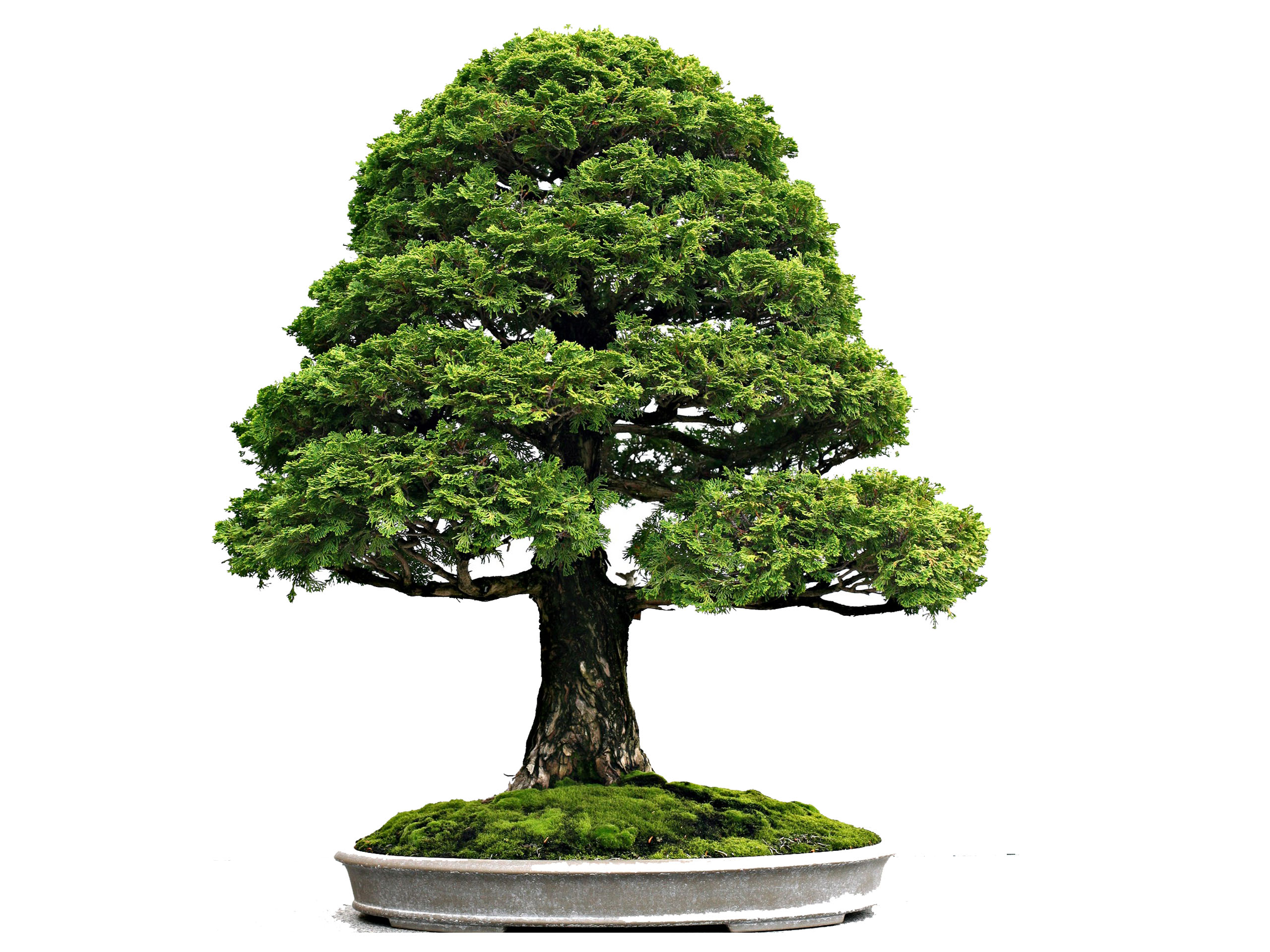


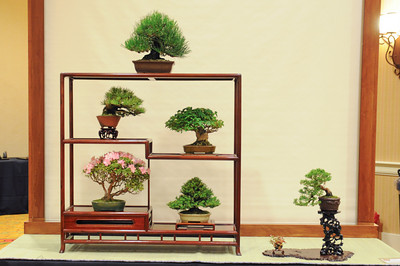
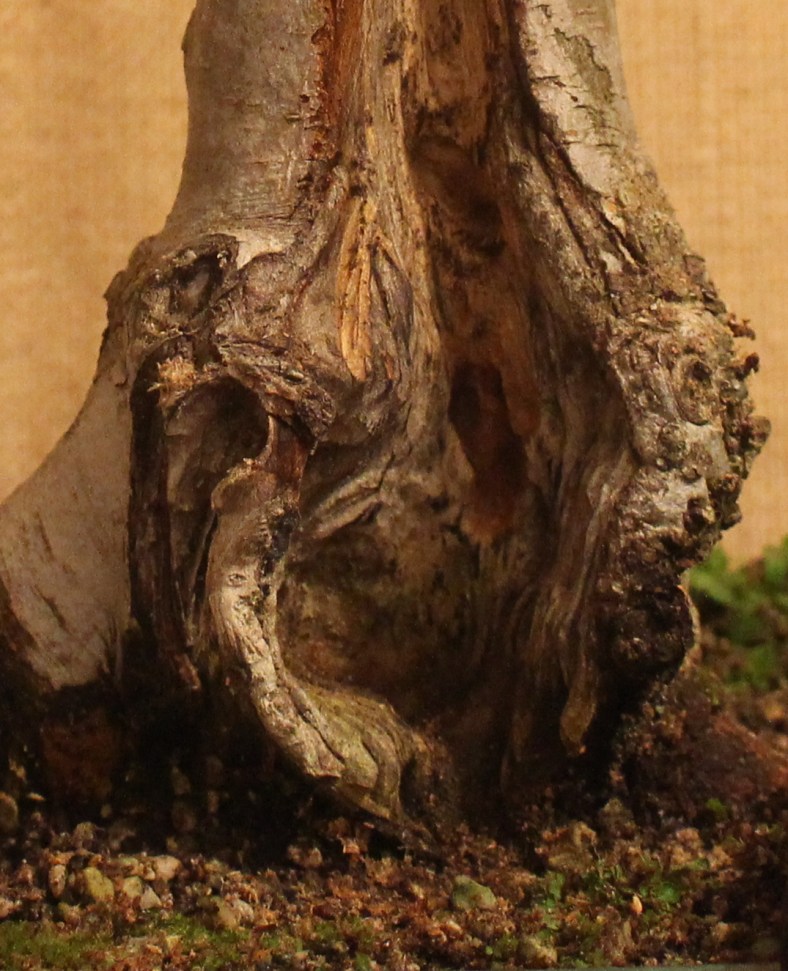
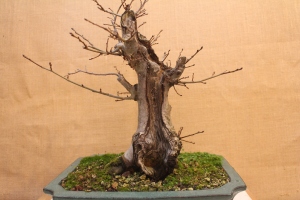 into my possession a year and a half ago. This was carved quite deeply to get rid of and then it was extended upwards to try and get a more natural look. The carving was further worked on today. The large carving at the bottom has weathered well and the shari extending upwards from here was made deeper as well as fine carved with a Dremel. A small carving was done on the back where another large (not as large as the front one) cut was made. This resulted in a hole now going through from the back to the front. It is quite high up near the apex.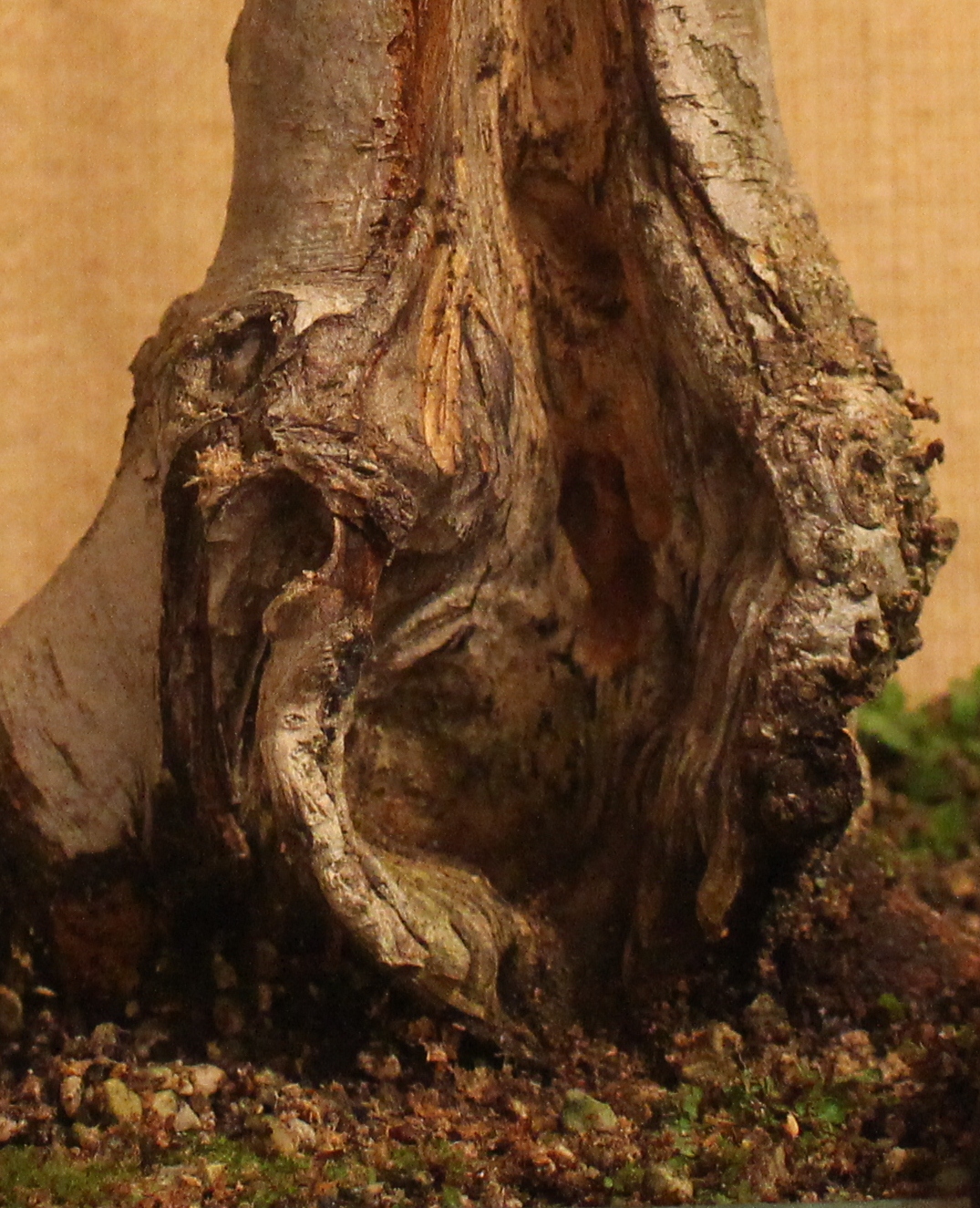
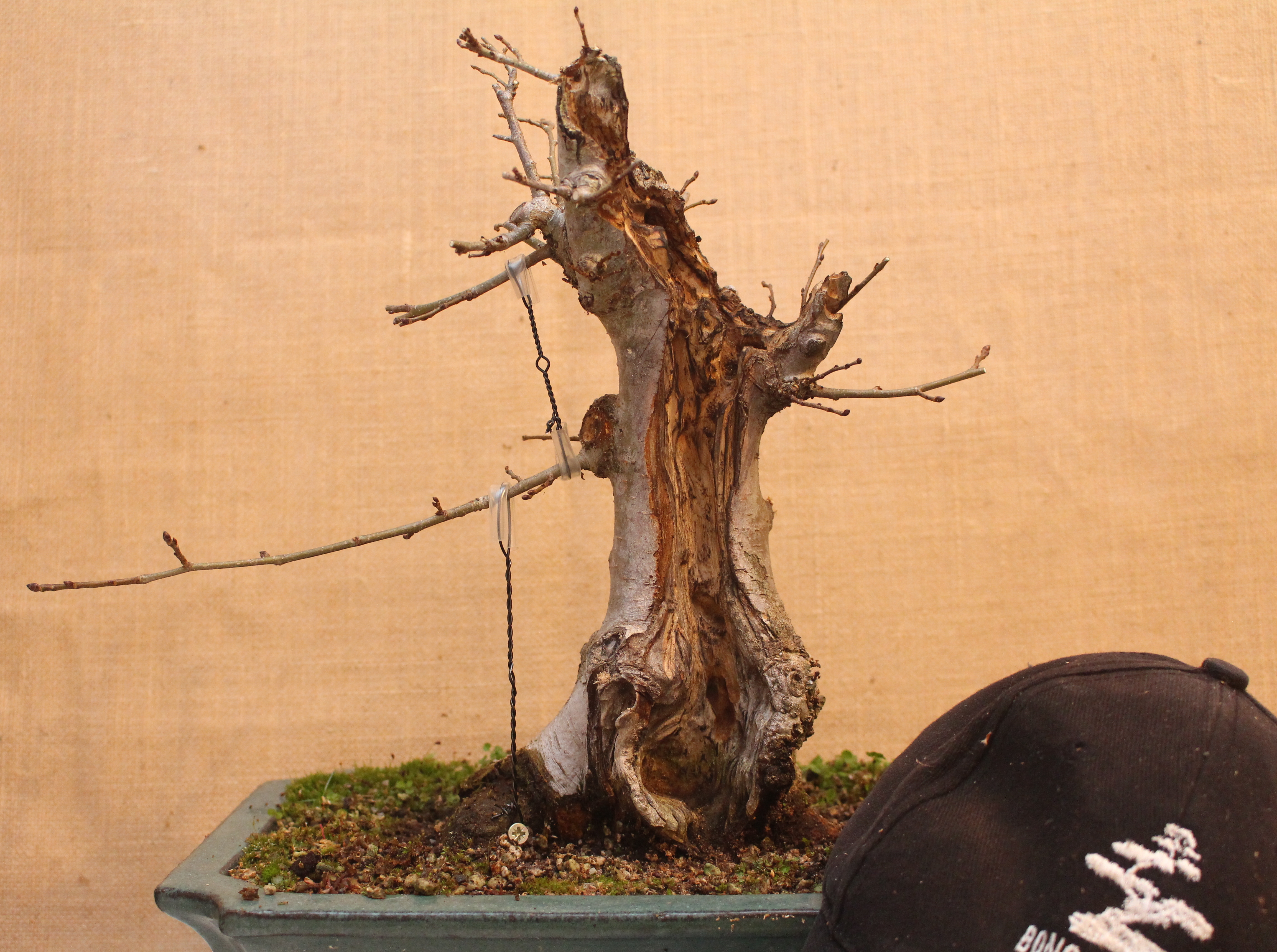
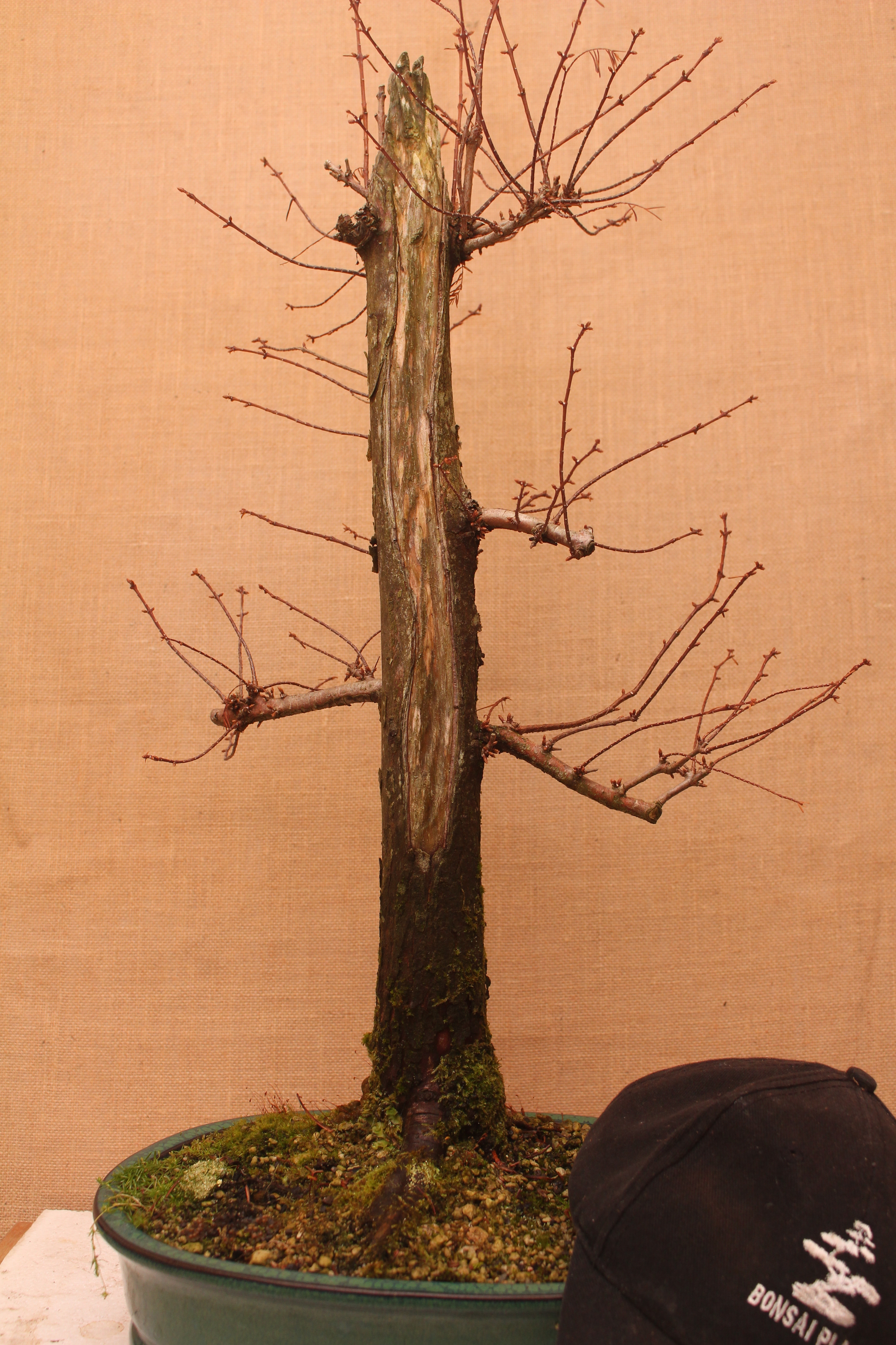
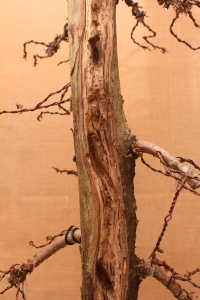 done first. The original carving was done with very rudimentary tools. I now have a rotary carver as well as a router that I use for carving. I went deeper today and added a bit more detail to the top. Out came the burner to get rid of all the frilly bits. The bark and branches were protected by aluminium foil. It was finished off with a wire and then a nylon brush.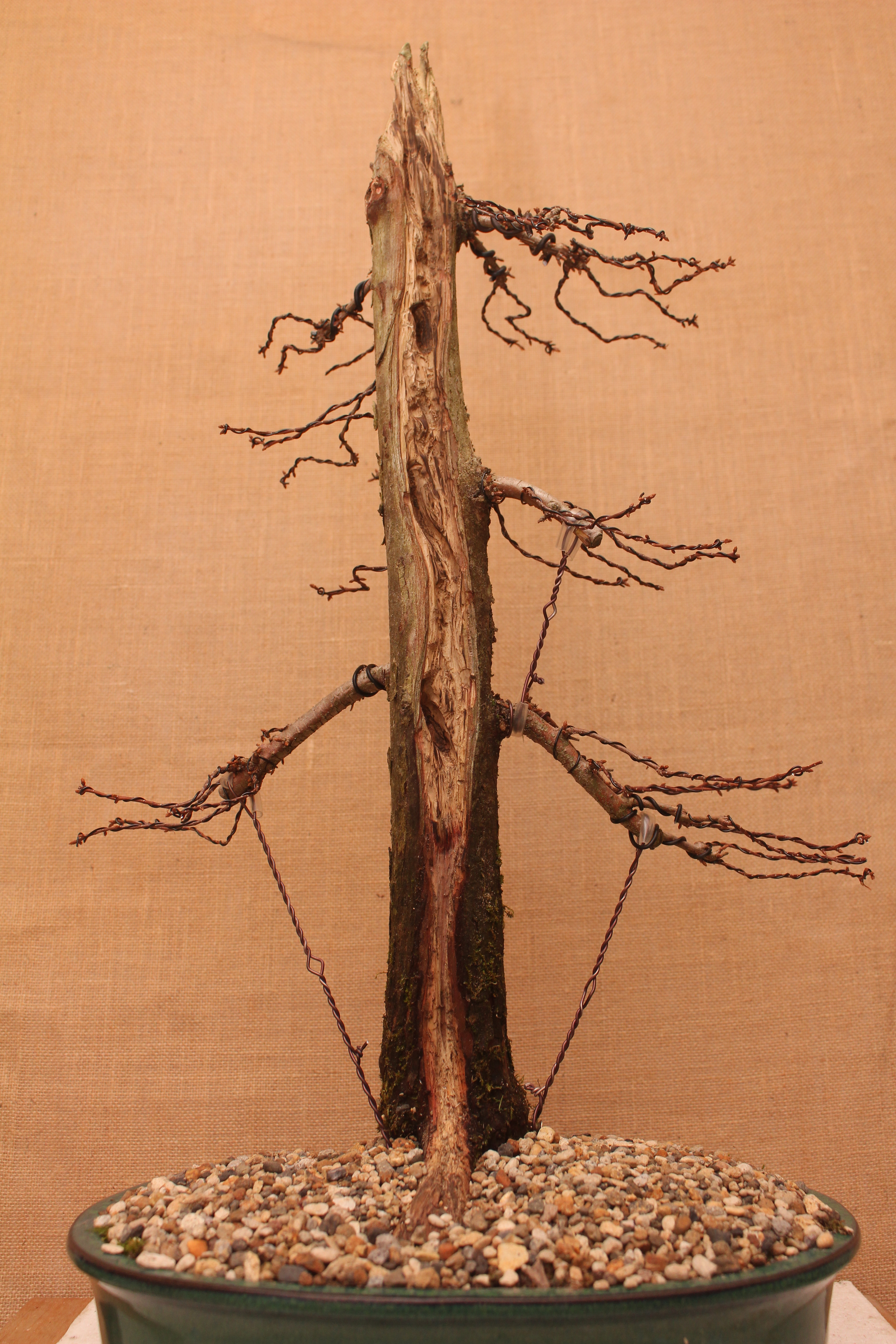




 Bonsaiplace