
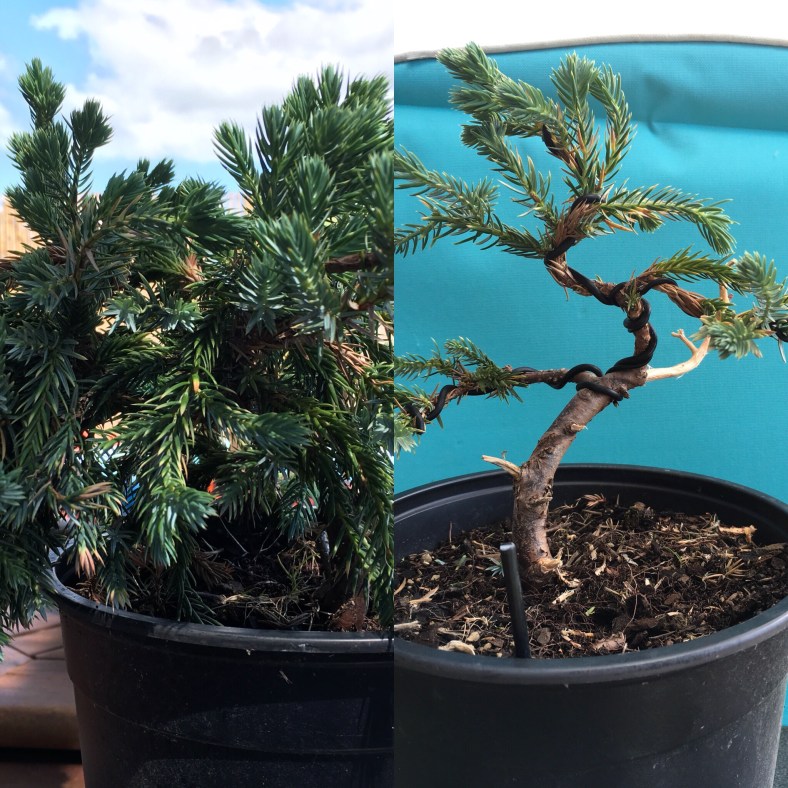
You are now bitten by the bug and you are well on your way to addiction and now you want to design, bend, shape, cut, wire and do all the other things to expand your growing collection. Yes, there is a lot of art to it, but you can get far by following a few basic steps. I call it my Bonsai Beginner’s Curriculum and have done many workshops based on these basic seven steps. It works well on nursery material as well as field lifted trees which have been planted and allowed to rest for at least a year. Here we go with the seven steps.

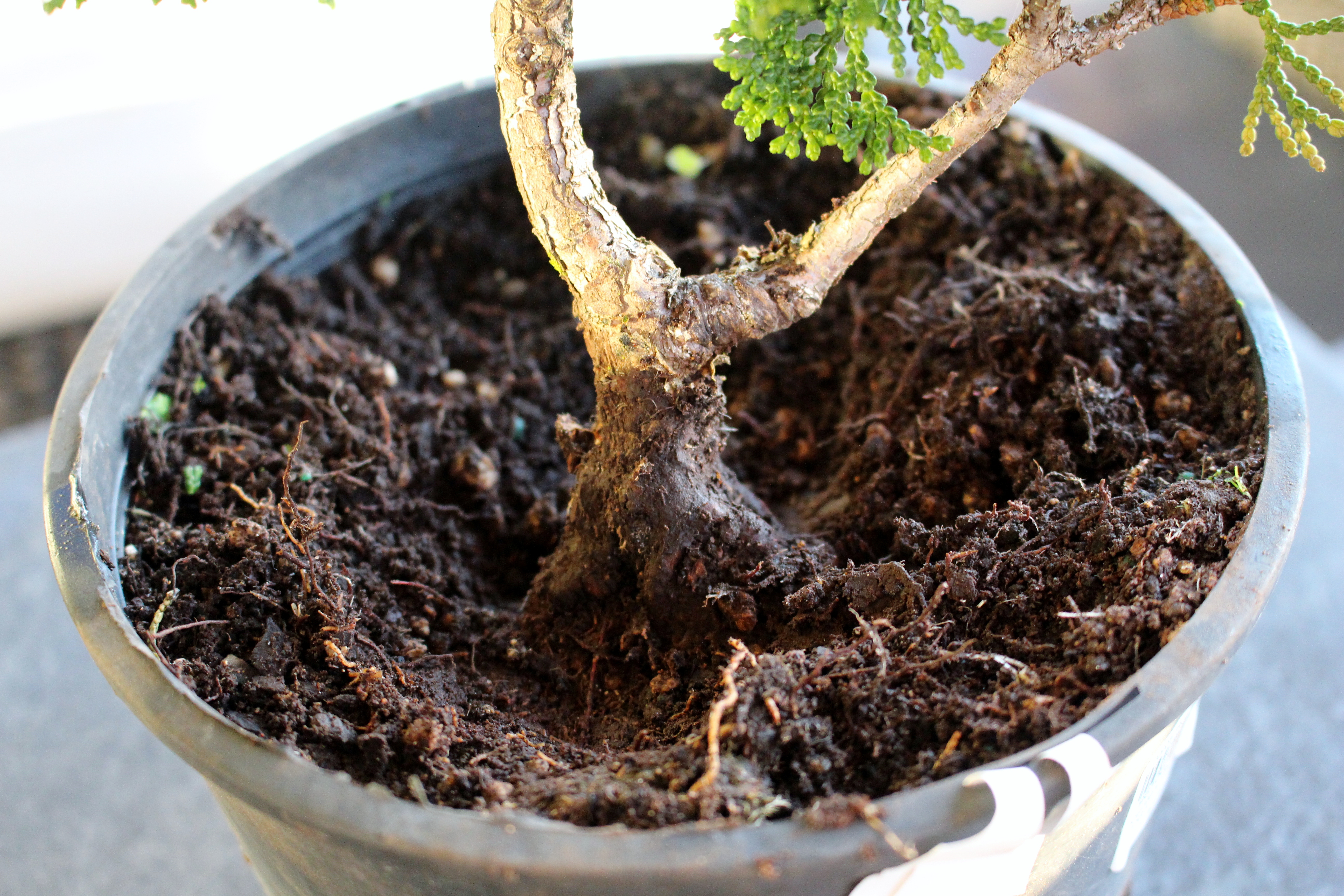
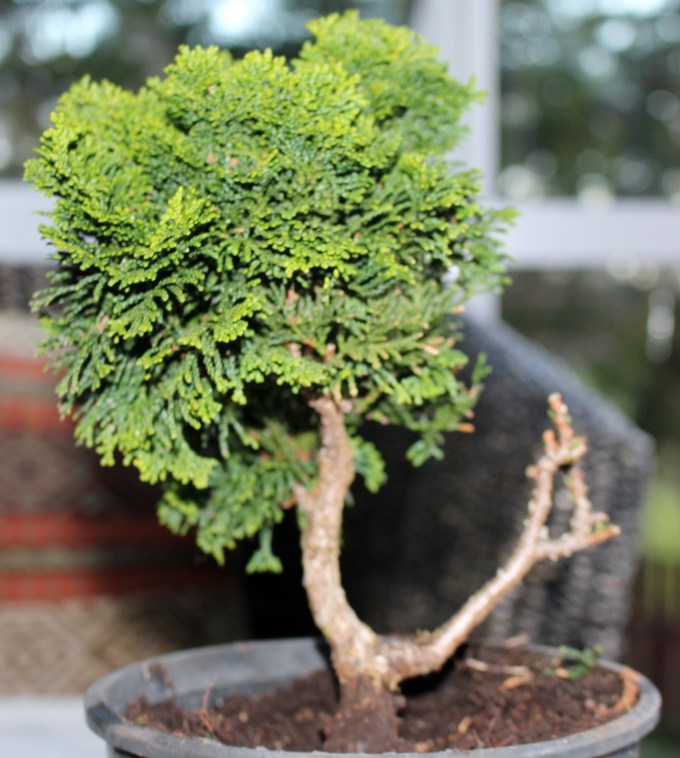
Step 1: Find the front of the tree. This includes looking at the trunk flare / root zone (nebari). You want the widest and most interesting part to face the front. The second part to this step is to find the best front showing the flow or movement of the main trunk line. Hopefully the best nebari view and trunk line is the same side, if not, make a decision based on the best of the two elements.

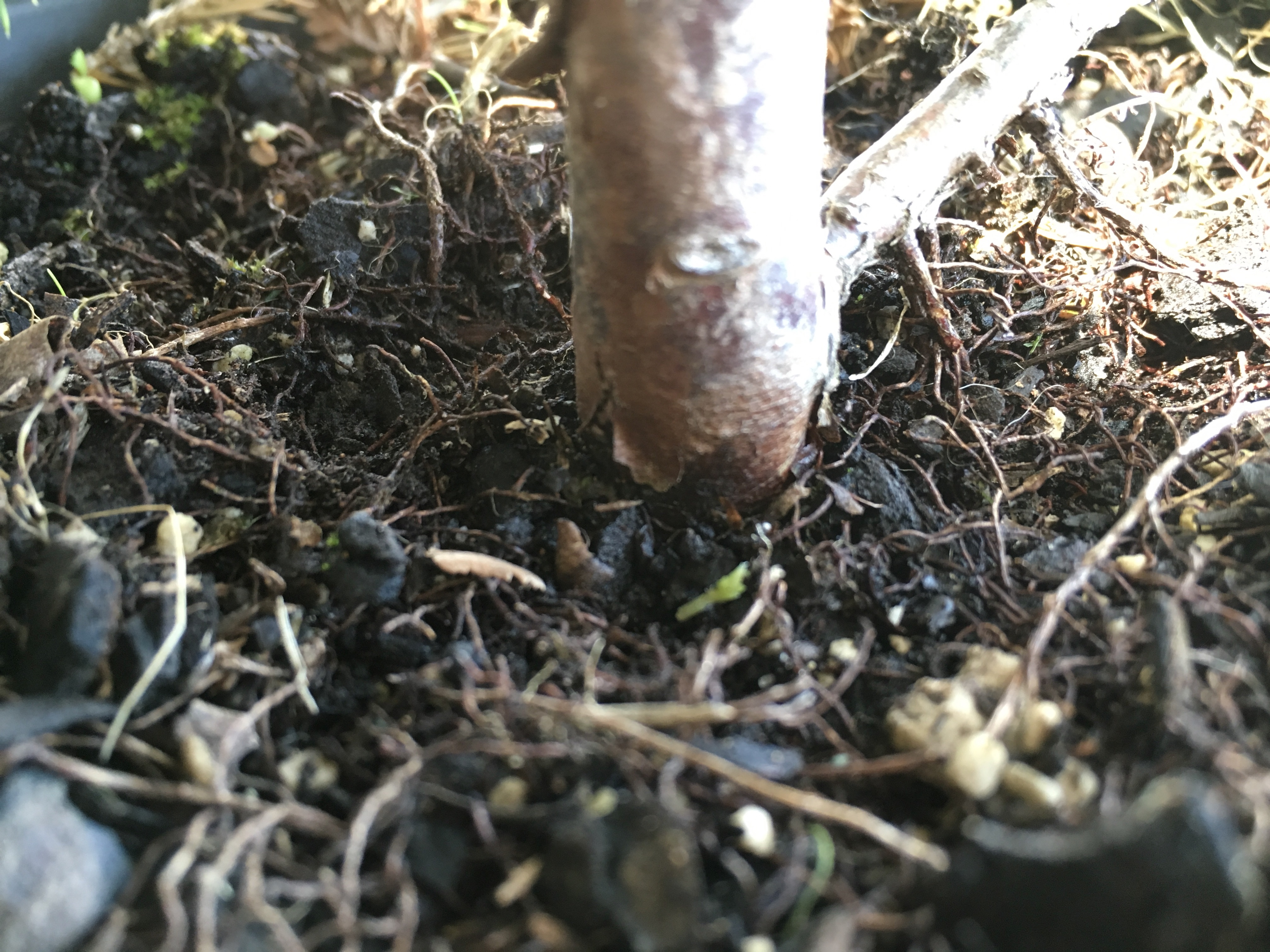
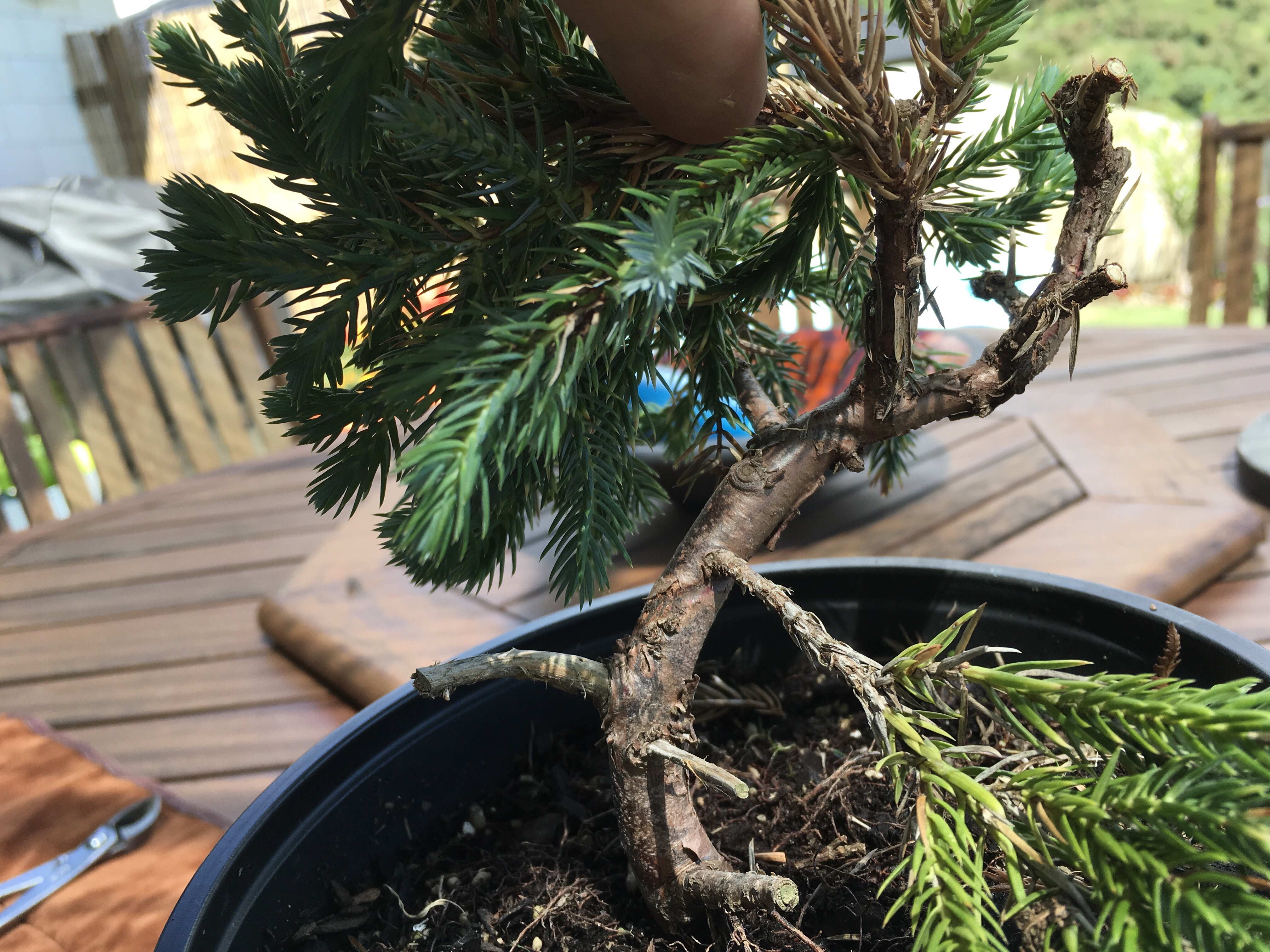
Step 2: Clean the main trunk. This includes getting rid of all unwanted growth. It could be removing one or more branches reducing the bar branch effect. Also remove branches pointing to the front in especially the bottom third of the trunk and branches crossing the trunk. At this stage remove all growth in the crotches of the main trunk and primary branches.
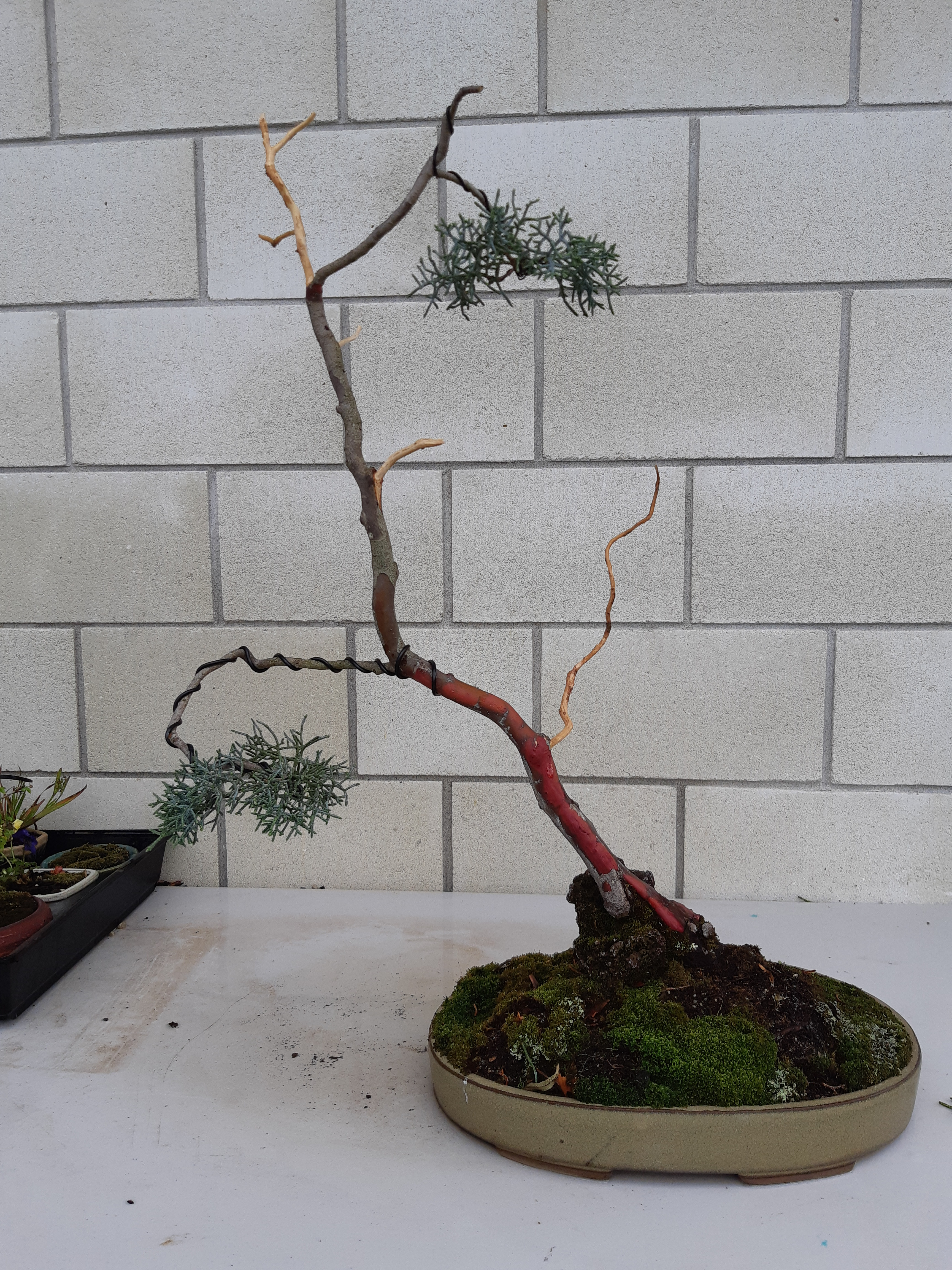
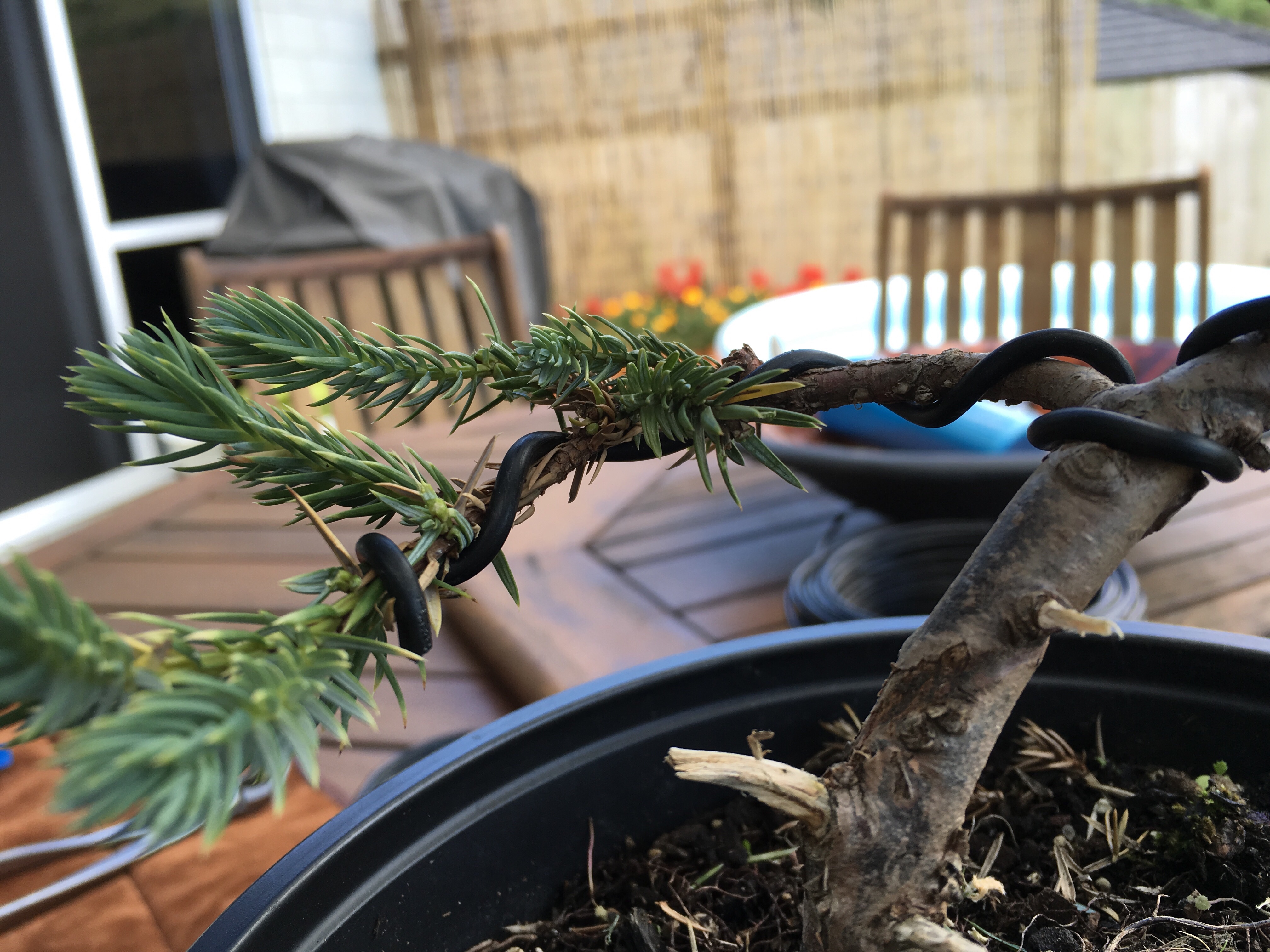
Step 3: Set the main trunk. If you are lucky, the movement of the trunk will be great and you have nothing to do. This is rarely the case. Use wire to set the shape. There are other more advanced strategies and methods that can be used. If you are using guy wires, it is best to wire the branches first as the wires sometimes get in the way of further work.

Step 4: Select the main branches. You have already looked at this during step 2. What you now need to do is to look at the positioning of branches. The historical pattern is to have one to the one side, then to the other side and then one growing backwards. Repeat as you move up the trunk line. Nature and practicality does not always give this to you on a platter and this is where the artistic side of Bonsai kicks in. Also make sure that you do not have branches growing from the inside curve of a bend.
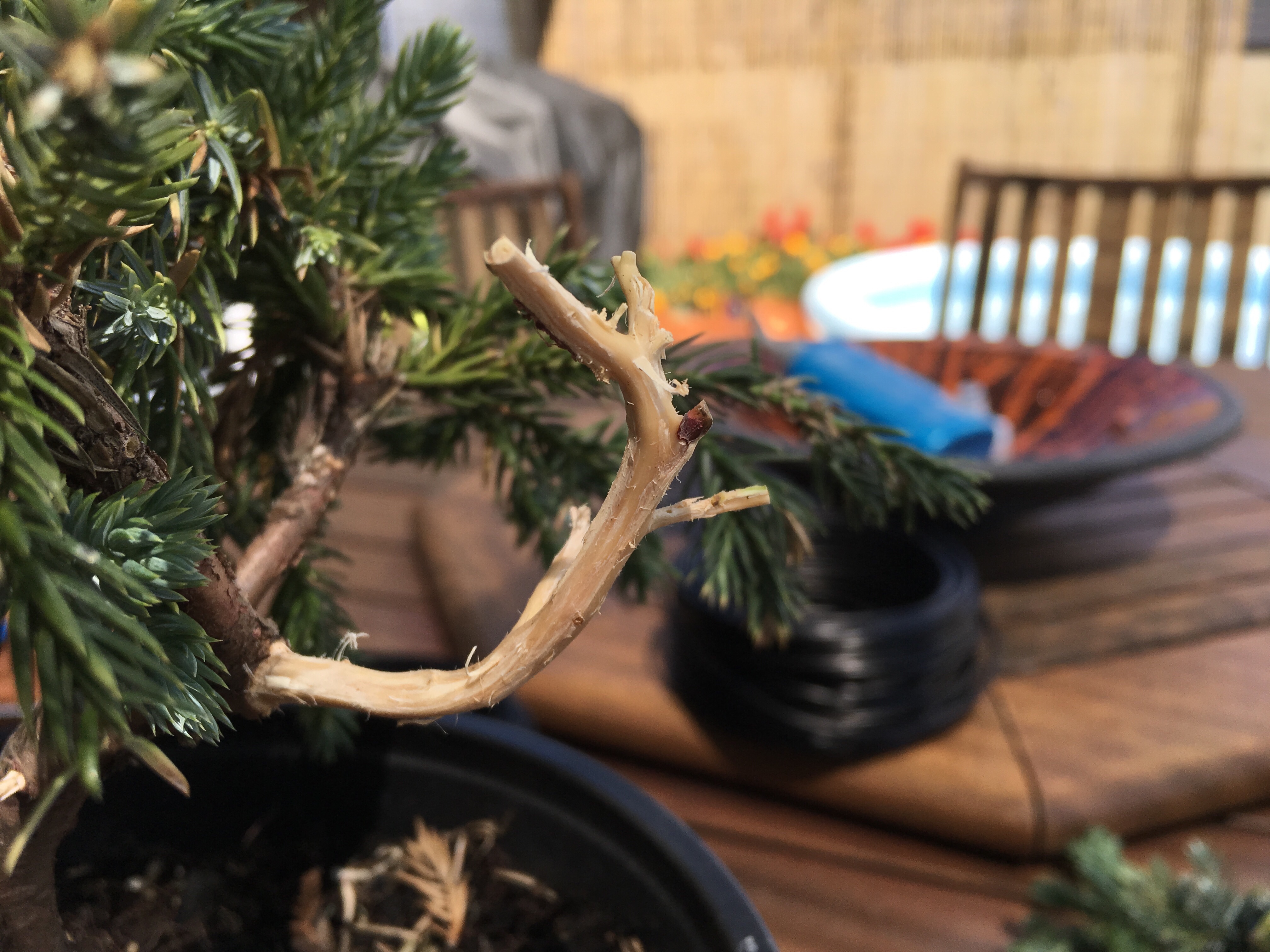
Step 5: Clean the rest of the tree by removing all growth from the axils / crotches of all branches. Remove the rest of the unwanted growth and especially spindly growth. At this point it is important to note that once you remove all leaves / needles from coniferous plants, it is highly likely that the bare branch will die. Perfect for Jin (more advanced technique).
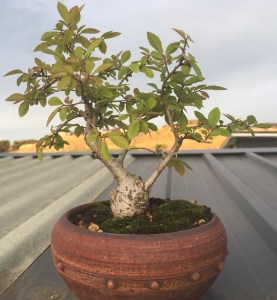
Step 6: Set the main branches. Use wire on the branch or guy wires. Wiring technique is also slightly more advanced and will follow in a future blog or video. Ensure that there is movement in the branches (left, right, up and down). This is an easy way to bring leaves / growth closer to the main trunk on spindly growth.

Step 7: Create the apex. The apex is the top of the tree and plays a major role in determining the flow of a tree. Older trees show a more rounded apex form and this is what you want to recreate by either pruning or wiring the branches into that position.
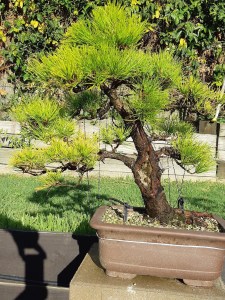
By now you should have a design roughly resembling a pre-Bonsai tree. After-care is the next important step. My advice is to not pot the tree into a Bonsai pot at this stage. If you have removed a lot of growth, the tree will be stressed and the last thing it needs now is to have its roots interfered with. Rather just place it in a sheltered position with no harsh afternoon sun. Water regularly and fertilise the tree to encourage health and good growth. Potting can be done in Spring or for certain species, Autumn could be suitable as well.
Keep an eye out for further articles in the Beginner’s series. If you subscribe to this blog, you will not miss any of those.





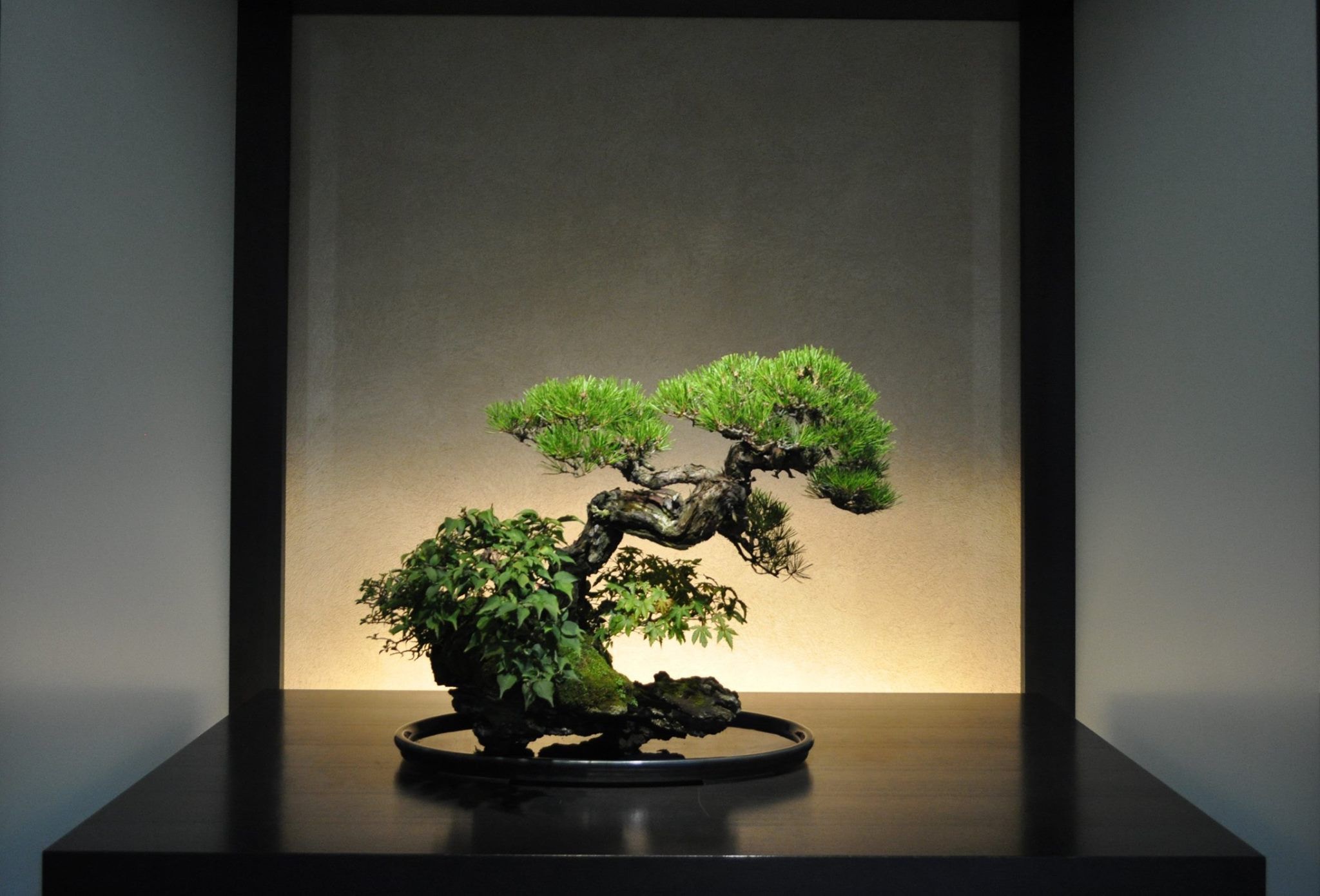
 I love watching Bonsai demonstrations, whether it be live or on You Tube. The quick transformations, the inspiration, the magnificent material that these artists work with, it is pure drama, pure theatre.



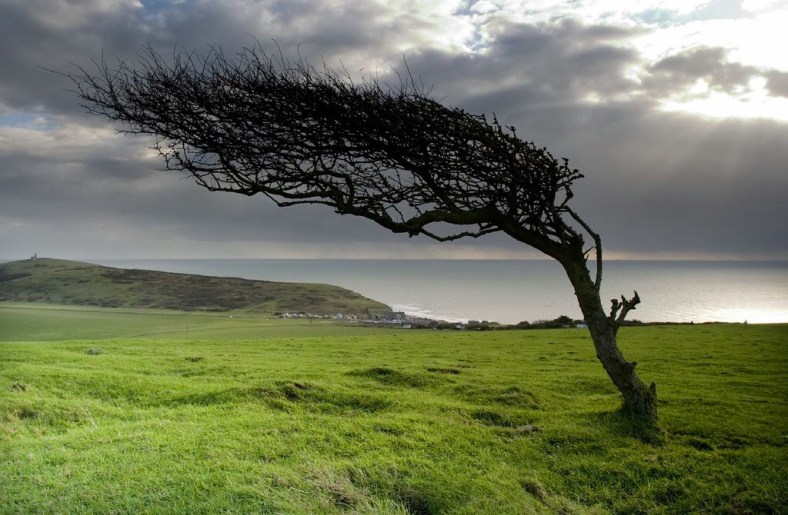
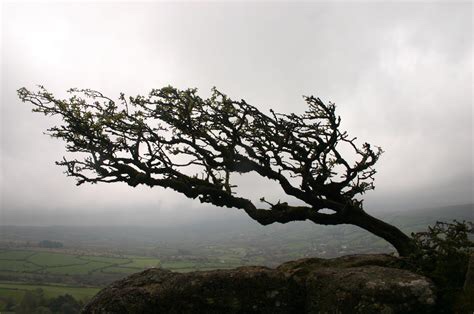


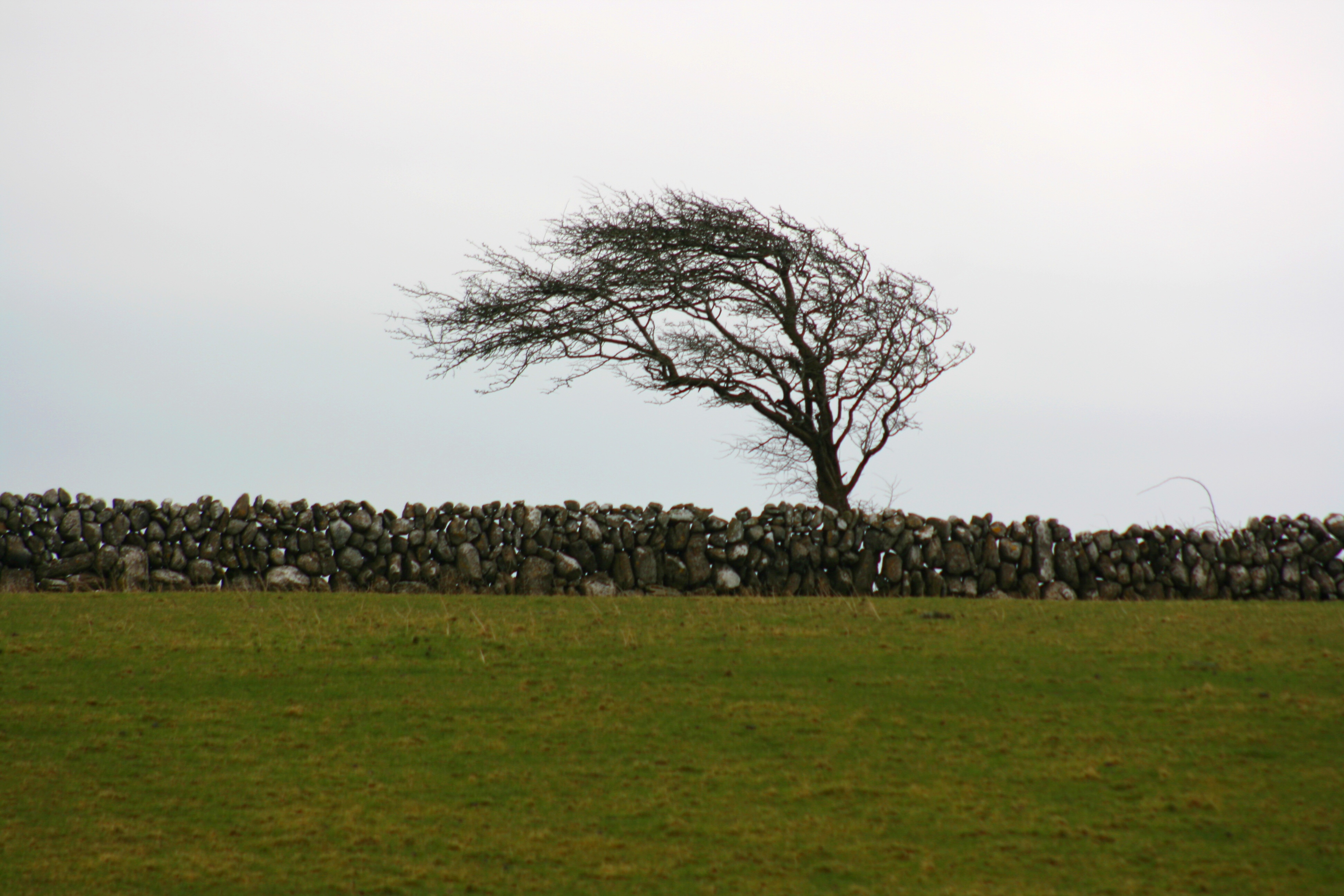

















 therefore important to be in touch with the sources of our inspiration. I have recently returned from a conference relating to Education where I was exposed to a variety of speakers. I was very aware that during and immediately after the conference, I was definitely more motivated to work on certain things in my main job. This came from listening to these powerful speakers and becoming aware of the latest trends in my vocation. This is the same for my Bonsai activities.
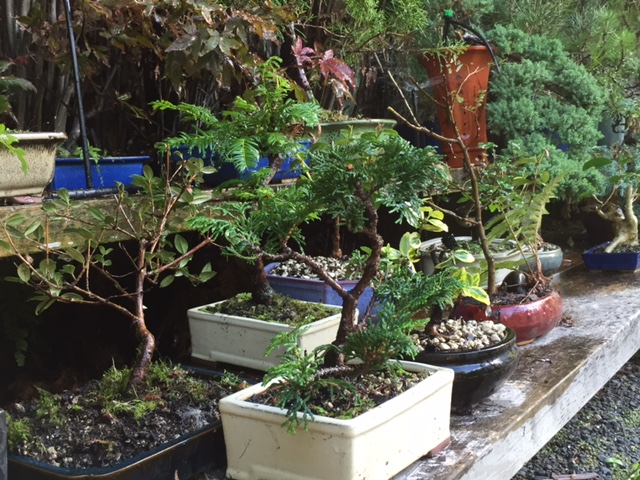
 Exposure to other Bonsai people will lead to higher levels of inspiration and motivation. I live in an area in New Zealand where there are not that many other Bonsai enthusiasts and you sometimes do feel isolated. To overcome this, I have to make an effort to meet up with other Bonsai people. The local club, although very small, serves as a source of inspiration. I am the teacher here and other people rely on me for the advancement of their skills and knowledge. This places me in a position where I have to stay on top of my game. Through this I have also realised that I only know about the tip of the iceberg and that I need to learn as well. Again it comes back to people, as I can only get this knowledge and skills from others who are more advanced than me, or have produced resources that I can learn from. So, first of all people.
 to learn or practice. I like the way that a lot of martial arts movements are set up. There is a clear line to follow from beginner level through to a very advanced level. I am not saying that we have to start different colour belts to show our proficiency in Bonsai, but the levels of training can be copied. A sensei at one dojo always learns from a more advanced practitioner somewhere else. This means you either have to go places or you have to get the masters to your place. This is already happening in Bonsai throughout the world and this has opened up many more opportunities for Bonsai professionals. As a side note, I do use the term Bonsai professional in a different context to Bonsai master. Not all professionals are masters and not all masters are professionals. More on this in later blogs. Back to the main thread of this blog. Where do we get inspiration from to excell in Bonsai activities? I have already established that it is mainly through the exposure to other people and preferably to more advanced practitioners. That means that you have to be a regular club member, be active in this club and teach at that level. The next step is to align yourself to an organisation or club where more advanced teaching takes place. From there it is important to attend shows, regional and national and even international teaching opportunities. Displaying your own trees is a big part of this. Immense growth takes place when you receive feedback from visiting judges once you get over the fact that you might get some negative input as well. Good teachers will make sure that this feedback is constructive and you can learn much from that. Just leave your ego at the door when you go into this type of situation, after-all, there is no ego in Bonsai as an art form.
 Other forms of inspiration comes from man made resources. I find a lot of inspiration in my very large Bonsai library (wonder what the total cost of this is), which consists of books and many magazines. I currently hold a subscription to two international magazines and also receive our national production on a regular basis. Books come through online bookshops and I am now also in the fortunate position that I receive books from publishers and authors to review. Magazines keep me up to date with what is happening in the Bonsai world and brings the latest shows into my living room.
 good quality channels and people who regularly post new material and from which I learn heaps. Just type Bonsai in the search area and you will find a great resources at your fingertips. While I am on internet based things, Facebook is exploding around Bonsai matters (probably lots of other things as well). One needs to be disciplined when you venture into this mosh pit of activity. Not everyone who has a presence here are noteworthy, but most of the “big” names in Bonsai are represented here.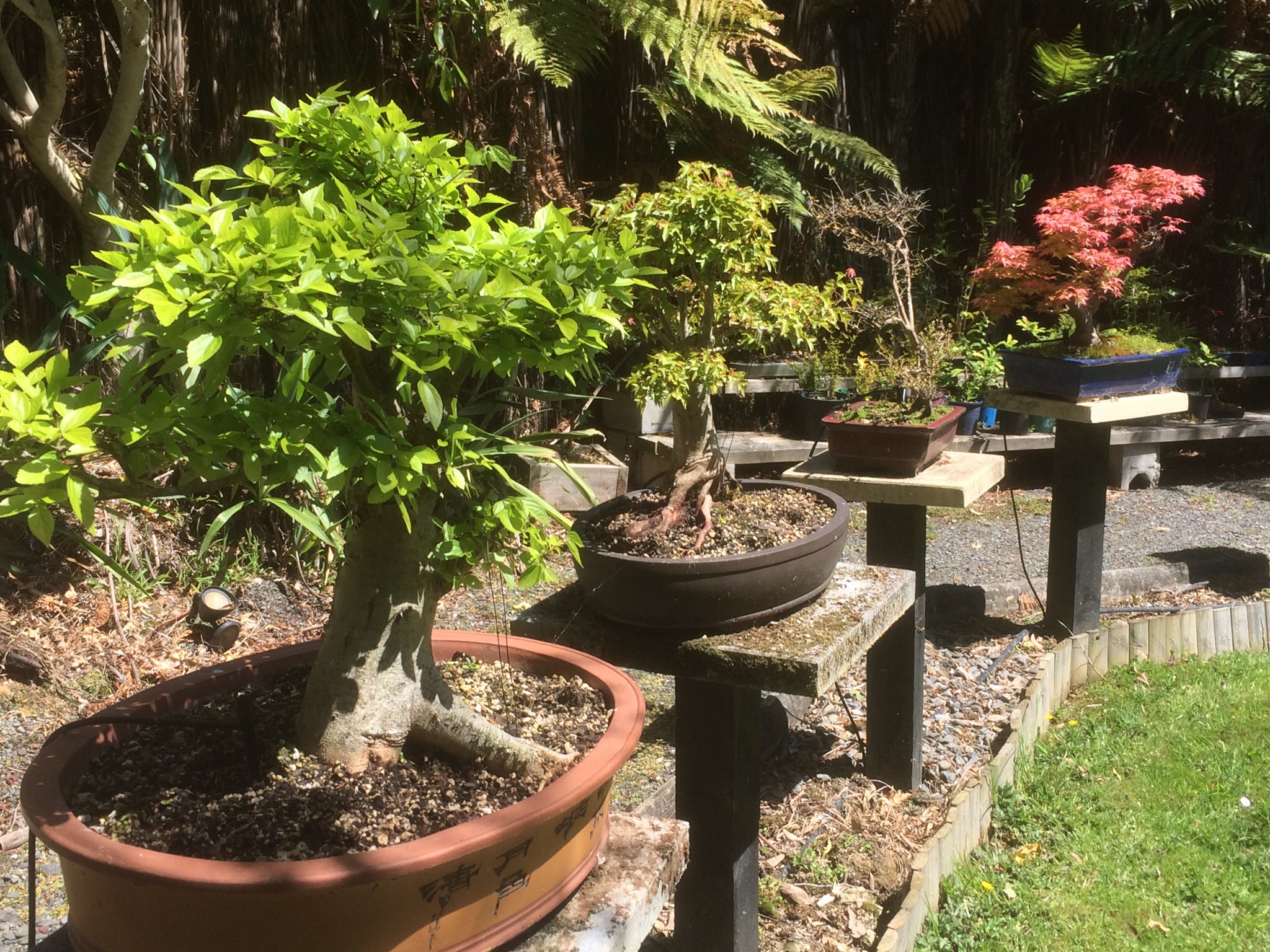



 Bonsaiplace