Bonsai, Wellbeing and Psychology

Bonsai enthusiasts have known for a long time that Bonsai is good for them, maybe not financially, but it certainly impacts positively on wellbeing. With that in mind, I did some wider reading and found that most of what is written about the wellbeing impacts on humans and the positive psychological impacts come from personal observations. There are however a few studies that was published over the last couple of years. One of these is in the International Journal of Environmental Research and Public Health in 2021 that addressed this matter from an academic perspective.

Research Evidence

This study (Practitioner’s Experiences of the Influence of Bonsai Art on Health) asked 255 skilled bonsai practitioners about their experiences and observations. The study’s hypothesis was supported by the outcome that “bonsai art was associated with meaningful healing experiences”. Specifically, the evidence showed that bonsai practitioners experienced improved ecological, spiritual, and emotional awareness. It also stated various healing dimensions, inclusive of aesthetic creativity, resilience, adaptability, as well as social, physical, and personal health. It goes as far as saying that bonsai art can be used as an ethically sound health promotion technique in various settings, inclusive of psychiatric hospitals, retirement homes, rehabilitation centres and prisons (Hermann, Caroll and Edwards, Stephen. 2021).

Here are a few quotes from participants:

“Having to concentrate when shaping or styling a tree or keep your mind active when handling a problem tree helps one to stay mentally alert and sharp”.

“Bonsai gives me a creative outlet, helps me relax, helps me focus, and sometimes gives a temporary refuge from conflict”.

“It helped me to overcome major physical trauma in a positive way”.

“Growing Bonsai makes me aware of the need to care about my personal health and wellbeing”. The further reading came up with a number of points to illustrate that Bonsai does indeed support wellbeing and positive psychological outcomes.

Hormones again

Further to the study above, it is generally accepted that Bonsai can boost mental wellbeing by enhancing a relaxed state and a sense of accomplishment. This goes hand in hand with the impact of serotonin, the happiness hormone. We do know that Serotonin levels rise in anticipation of rewards and increase with their value. Working on Bonsai trees with a specific design or plan in mind anticipates that the tree will develop over time and become a tree that one can be proud of. This is further enhanced when Bonsai trees are displayed, and positive feedback is received from other Bonsai artists. From this it is advised that Bonsai trees are shown at club meetings and regional and national shows. There is a proliferation of online social media posts of people showing their trees to the world. This concept is also backed up by scientific research (Neurosciencenews.com).

Mindfulness

Caring for Bonsai trees encourages mindfulness, and this in turn, reduces stress. Mindfulness is the act of focussing on something without external distractions and especially seen in Bonsai cultivation when detailed work is done. This relates to actions like wiring, pruning, carving and doing delicate bending work. Being mindful allows the individual to ignore all other influences, inclusive of things that might be troubling the person mentally, financially and physically. Sometimes this is related to a spiritual experience but from a purely focusing exercise, will help to shut noise out and allows for a time of relaxation and escape from the realities of life.

The Creative Process

Shaping and nurturing Bonsai trees enhances mental clarity and personal satisfaction. The clarity comes from studying the tree’s structure, planning further development and then taking the ultimate step to the refinement of a well-developed Bonsai. This is one of the few art forms that is never finished. There is no finished product, just striving for perfection within a cycle of seasonal care, repetitive actions, and slowly working towards an ultimate goal. Realising that this never comes to full achievement. Once that is understood it provides clarity of the purpose, the fact that we are merely guardians of the trees, and reaching the intermediate goals towards perfection serves as steps towards personal satisfaction. Advancing a tree step-by-step on the journey, observing the development and finding the flow of all these actions, satisfies the creative soul and leads to a state of satisfaction that few other activities lead to.

Close to nature

Nature heals. Some would argue that Bonsai is artificial in the sense that the tree is in a pot, removed from nature. Bonsai art could also be seen as trying to imitate nature. Shaping a tree to represent its big cousins in a forest or standing alone in a field. Both of these thoughts do bring the Bonsai practitioner closer to nature. Caring for a living organism, providing the essentials that is found in nature for the tree towards peak development, or taking you into nature to collect trees for your collection, both needs a deeper understanding of living organisms and its place in nature. Many Bonsai artists that I have met over many years are keen conservationists with a caring nature towards not just trees, but the whole ecology that makes it possible for a tree to live. This closeness to nature serves as a channel for health and wellbeing.

Recovery and healing

Many stories and cases exist of people who talk about how their Bonsai activities have supported them to get through difficult times, recover from relationship break-ups, depression and even life-threatening health issues. I can personally vouch for this as part of recovery from a stint with cancer a few years ago and how the mindfulness, meditative actions of working on my trees helped the recovery process, especially from a mental health perspective. While things like radiation and other chemicals cause destruction in your body, you can become still, focus on a Bonsai task at hand, and I am certain that this in turn not only helped the physical recovery along, but also strengthened the mental aspects needed for recovery. It is this mental strength and patience that helps to put things in perspective and keep on working on your self as you would on a tree. The other analogy that comes to mind is that you allow many medical professionals to work on you the same way you work on a tree. The trust aspect is immense.

This is also backed up by research and discussed in a paper published in December 2023, Bonsai: “a life in balance”. The therapeutic benefits of growing bonsai trees.

Physical exercise

Another well-known aspect enhancing mental wealth and wellbeing is that of exercise. This is of even more importance as we get older. Bonsai certainly helps with that aspect as we do not always sit on a chair to work on our trees. I prefer standing up, more importantly, carrying trees in pots from benches to a workstation, shifting at times quite heavy pots for seasonal enhancement and in my case, climbing a staircase multiple times per day with trees and pots in hand, certainly works on the legs, back and aerobic exercise. My bonsai display and workstation is split across two levels of land. Of the utmost importance is also fine-motor activities. These refer to aspects of wiring and using scissors and other small tools while cultivating Bonsai trees. All of these, when regularly engaged in, not only supports physical health, but also mental health and wellbeing. This is certainly supported by the World Health Organisation (WHO, 2024).

Social Interaction

Lack of social interaction has recently been shown to be a contributor towards the onset of Dementia. Bonsai as an activity provides many opportunities to interact with others. Join a club, visit displays and participate in national conventions. a Bonsai tree always serves as a conversation starter, no matter where you are. It extends across language barriers as it is a visual art form, leading to close friendships and gaining acquaintances that supports this need for social interaction (Somerlad et.al 2023. https://rdcu.be/dVqOs).

References

Hermann, Caroll and Edwards, Stephen D. International Journal of Environmental Research and Public Health. 2021 March; 18(6): 2894. Published online 2021 March 12. Doi: 10.3390/ijerph18062894

Neuroscience News.com. Serotonin levels rise with reward anticipation. Online, 28 September 2024.

Pack. S. (2023). Bonsai: “a life in balance”. The therapeutic benefits of growing bonsai trees. Journal of Therapeutic Horticulture, 33(1), 1-18.  https://ahta.memberclicks.net/journal-of-therapeutic-horticulture-33-1 – 2023.

Sommerlad, A., Kivimäki, M., Larson, E.B. et al. Social participation and risk of developing dementia. Nat Aging 3, 532–545 (2023). https://doi.org/10.1038/s43587-023-00387-0

World Health Organisation (WHO). Physical activity (who.int). Accessed on 29 September 2024.

Feel free to comment on how Bonsai is supporting your wellbeing.

Bonsai – Management of Pests and Diseases

Introduction

Prevention is always better than cure. Preventative measures like general hygiene around your trees, cleaning tools often and preventative sprays are all things that can be done to prevent diseases and pests from causing damage to your trees.

Hygiene includes removing dead leaves, checking the underside of pots for insects, slugs and snails and allowing enough space between trees for good air flow. Trees on shelves backing on to a wall can at times not get the air flow that is needed or even burn from the sun’s reflection (heat) off the wall. Tools should be cleaned regularly and preferably with an alcohol-based product. This needs to be done in between working on trees who are susceptible to disease and where disease is present.

General maintenance is also important. Repotting when needed, ensuring that watering is done appropriately and that the soil does not become water-logged are ways to prevent disease. Fungal problems can originate from things like root-rot and poor drainage.

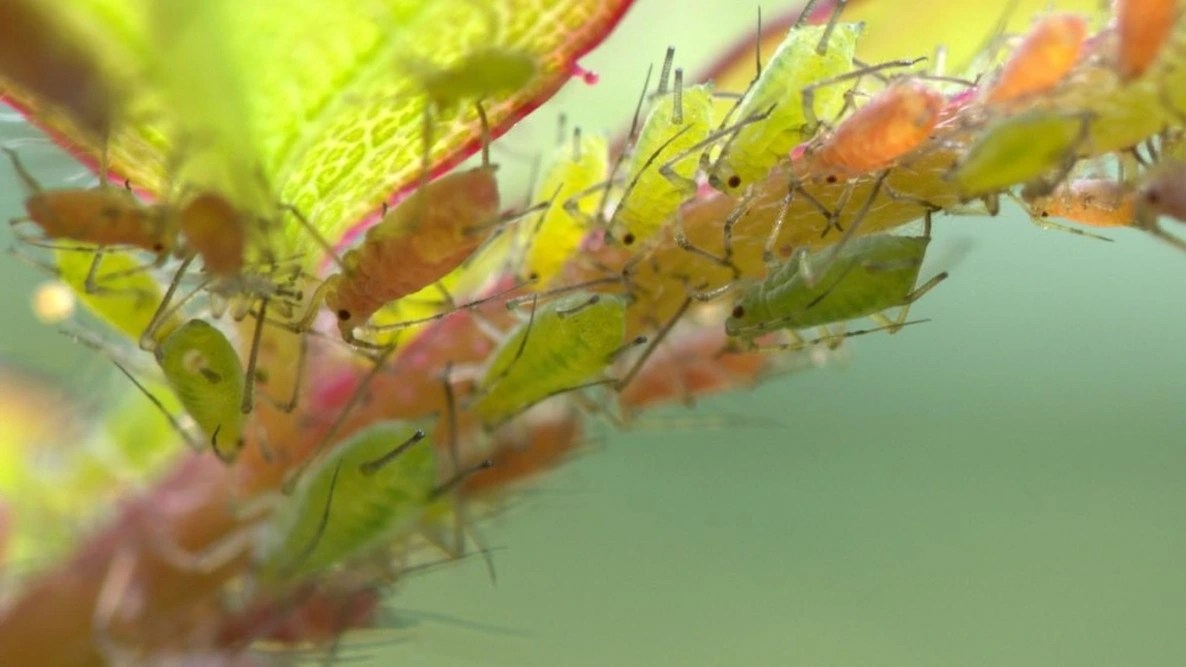
As this article focusses more on treatments available in New Zealand (some of the brands are also available in Australia), I will focus on preventing disease and pests from a chemical approach and then also from an elimination perspective. From an elimination perspective it is always best to use mechanical means (squashing) insects by hand when noticed. Aphids can at times (light infections) be blasted by using water directed at the insects. If that is not an option, chemical means will have to be used.

It is also important to note that trees that are generally in good health and well fertilized tend to be less susceptible to all sorts of diseases and pests. The biggest threat is when a new plant arrives in your collection and a couple of days or weeks later you become aware of a disease that came with the plant. Depending on the severity, the plant can be isolated or in bad cases if infestation, probably best to burn.

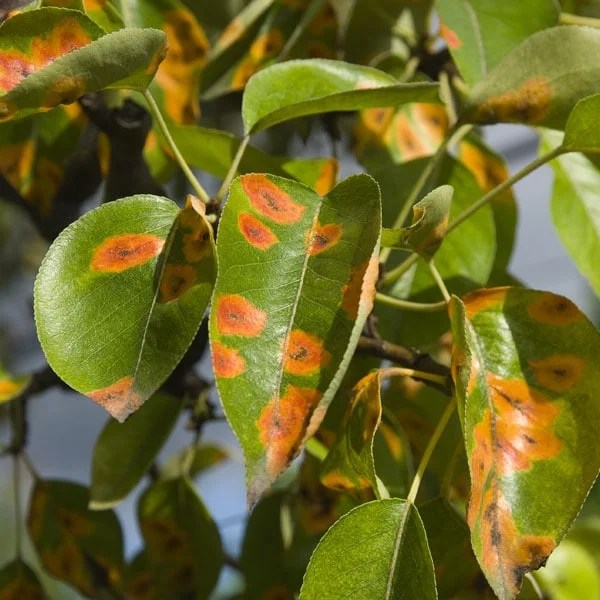
The best practice comes down to preventative sprays. These fall into basically two categories. The one is the prevention of fungal and bacterial diseases and the other is the prevention if insect infestations. I will largely include mites with insects although they technically are little spiders.

Use of chemicals

If you have less than ten trees it is probably best to use the ready-to-use spray bottles that are available off the shelf from most garden centers, and places like Bunnings and in New Zealand, Mitre10. I find that anything more than that, it is more economical to buy the concentrated forms of the products. At the minimum I would suggest a fungal control product and an insect control product. If you have more trees, beware of the fact that most fungal infections become resistant to the use of the same chemical (see active ingredients) and it is best to have two products for fungal diseases and alternate the use of these. Fungal sprays are also mostly systemic (the preferred option) which means that they are taken up throughout the plant systems and in that way can protect the plant and fight disease from within. Most insect sprays kill on contact, but there are systemic options available as well. Just when you think you get the hang of all of this, another warning. Not all these chemically based products are compatible. There are many permutations here and it is best to read the labels and the instructions before you buy and use the products on your trees. Some of these products cannot be stored after the solution has been made up and used.

Common Problems

The compatibility of chemicals with each other is mentioned above as well as the fact that some diseases become resistant to the chemicals after repeated and prolonged use. Safety around these products cannot be over-emphasized. Basic hygiene protocols are important and the one to mention here if you use concentrated forms and then have to make up your own diluted solutions, is to either mark your spray bottles with the name of the product clearly indicated (make sure it is permanent and does not wash off) or thoroughly clean your bottles in-between applications. Never use the same bottle or sprayer for disease and insect control AND weed control. That is a guaranteed disaster.

General caution

As with all chemical products, read the instructions and the warnings. All of these products have Safety Data Sheets (SDS) available on the supplier’s websites where more product information is also available. Generally, store away from children and pets and use the products away from children and pests. Wash your hands thoroughly after use and use a mask. Best not to spray on windy days. For best application ensure that you spray the whole tree, inclusive of the undersides of leaves. It is also known that there are beneficial fungus and bacterial organisms in the soil of our trees, and these need to be protected when chemicals that are formulated to kill these are used. It is especially the very useful relationship between the roots of conifers, especially Pine trees, and the white mycelium of Mycorrhiza to be noted here. Fungal fighting chemicals will harm these and therefore it is important that a good barrier is placed on top of the soil when especially Pine trees are treated to prevent the chemical from having contact with the soil.

In summary

I use two fungal fighting products and two pest fighting products alternatively. An explanatory note to say that these products are available in New Zealand. My main go to products for fungal diseases are Kiwicare Spectrum (Myclobutanil) and Yates Liquid Copper. That covers two different active ingredients, and these are used as both preventative and when disease is noticed. In winter I do a diluted spray of lime sulfur a couple of times. For insects it is a matter of mechanical means as first defense and if that fails, I use Yates Mavrik. The tables below provide a bit more of an overview of available products. Also note that there are other products available and if larges quantities or something specific is needed, agricultural or horticultural suppliers can be contacted for those applications. The tables also include a few organic or safer products, especially in the Nature’s Way range of products.

Fungal Diseases
ProductActive IngredientDosageNotes
Yates Fungus Fighter12g/litre Myclobutanil10ml per litre of waterProtect conifer roots before application
Yates Liquid Copper92.8/L Copper, present as Copper Ammonium Acetate5ml per litre of waterDo not store solution after application.
Yates Copper Oxychloride500g/kg Copper as a Copper Oxychloride25g with 5 litres of waterPowder. Stains walls, fences and other surfaces.
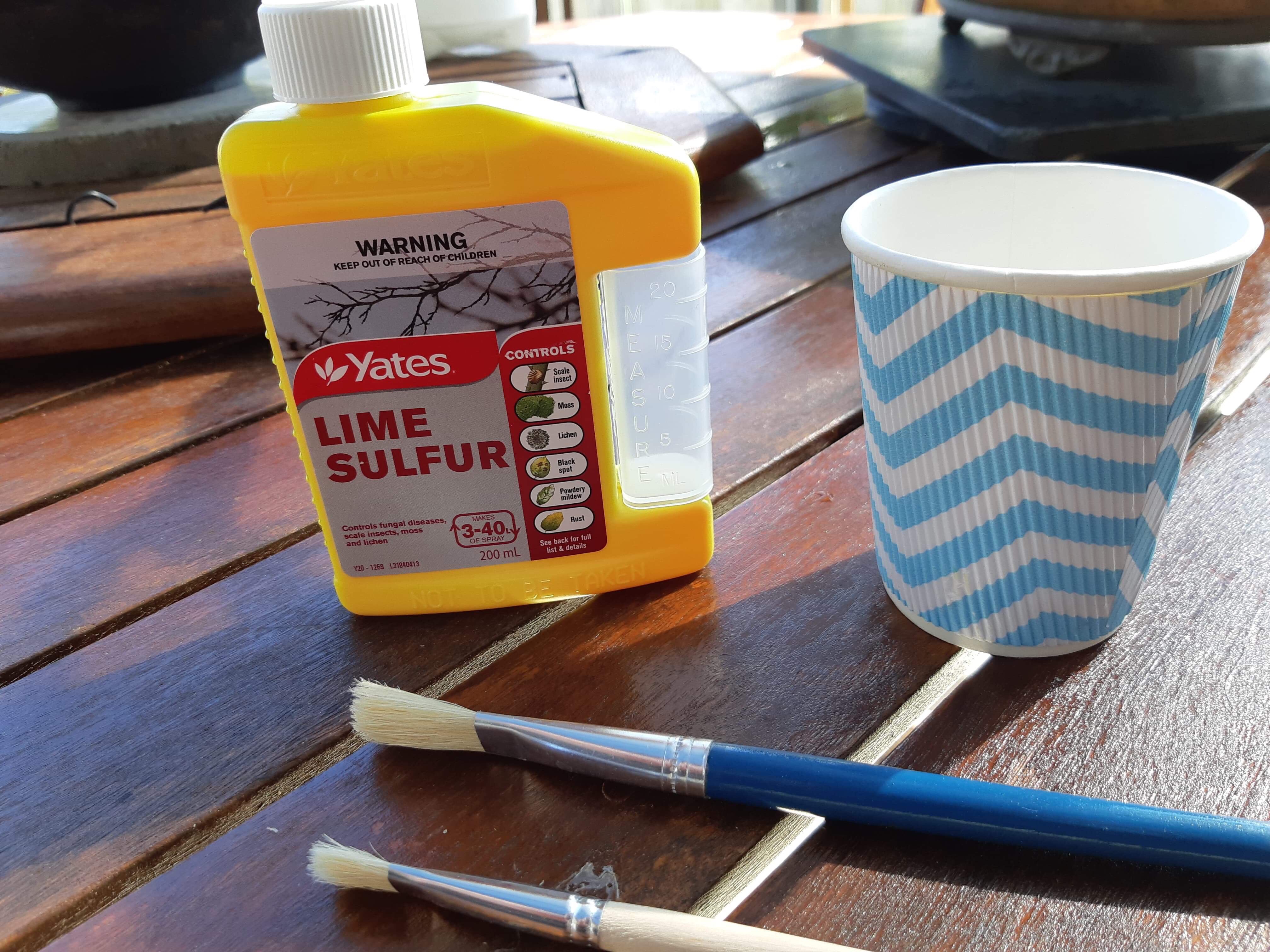
Yates Lime Sulfur200g/L sulfur as calcium polysulphide Multi-purpose that controls a range of pests and diseases, moss and lichens. Largely for preventative use.
Yates Fungus GunMyclobutanil (0.05g/litre)Ready to use.Systemic fungicide.
Yates Nature’s Way Fungus Spray350g/kg as copper oxychloride and 240g/kg sulfur.5g per litre of water.Powder.
Kiwicare Spectrum4.4g per litre Myclobutanil and 9.6g per litre Tau-fluvalinate.10ml per litre of water.Comes in a ready-to-use spray bottle as well.
Insects and Mites
ProductActive IngredientDosageNotes
Yates Mavrik Insect and Mite spray7.5g per litre tau-fluvalinate10-15ml per litre. Also available in a ready-to-use spray bottle.Controls a wide range of insect and mites pests by contact.
Yates Success Ultra5g per litre Spinetoram5-10ml per litre of water.Spinetoram is the latest generation insect control – derived from beneficial soil bacteria.
Yates Nature’s Way Natural Insect Spray Pyrethrum14g per litre Pyrethrins and 56.5g/litre piperonyl butoxide.5ml per litre of water.Works by contact action. Also available in a ready-to-use spray bottle.
Kiwicare No Borer1g per litre Permethrin.Spray / Inject directly to borer hole.Spray injector.
Spraying Oils – especially good on scale insects
ProductActive IngredientDosageNotes
Kiwicare Super Spraying Oil843g per litre mineral oil.10ml per litre (summer) of water or 20ml per litre of water (winter).Also available in ready-to-use spray bottle.
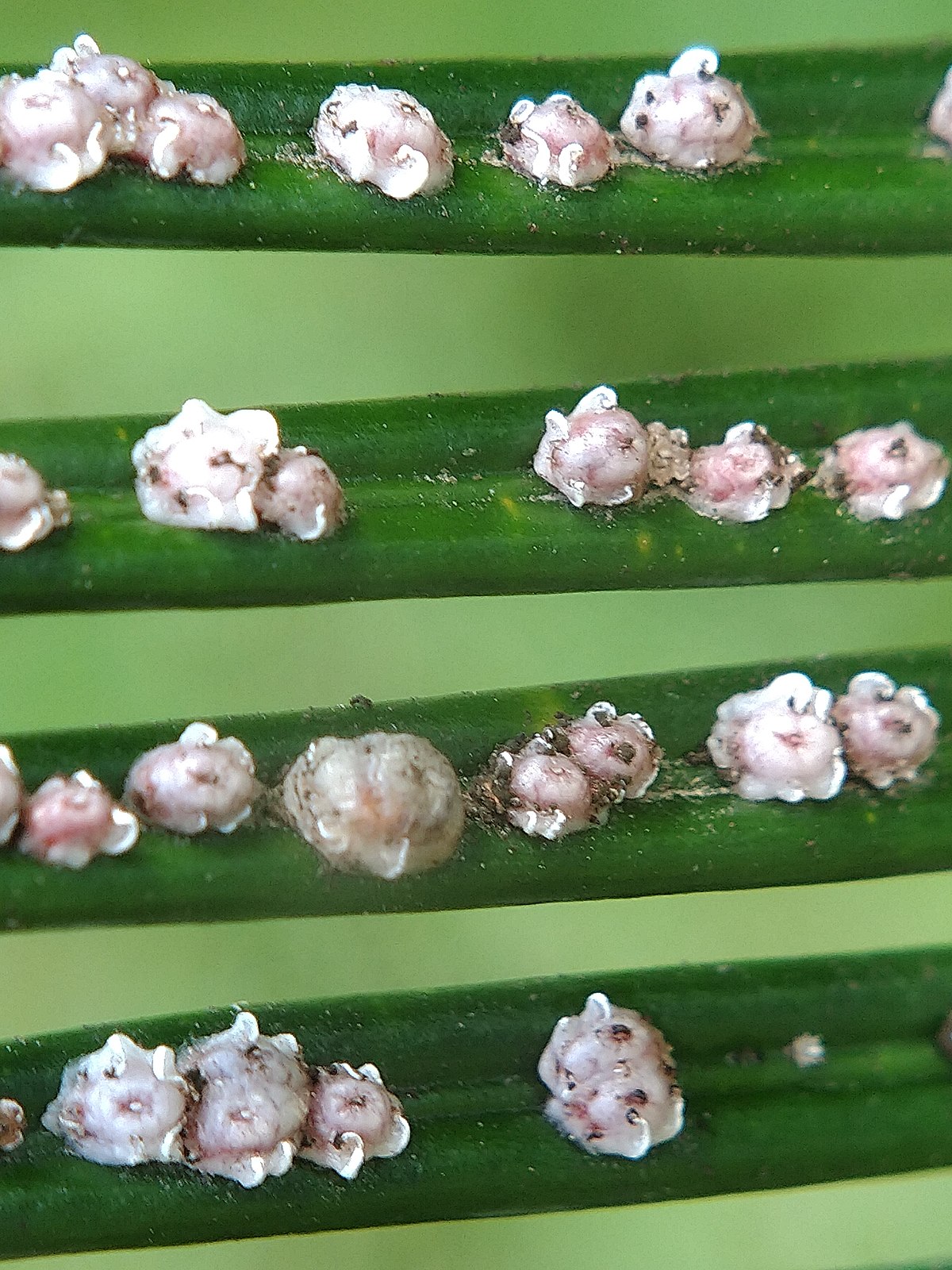
Yates Conqueror Oil823g per litre mineral oil15 – 20 ml per litre of water all year.An intermediate spraying oil for control of scale, mites and mealy bug. Also available in ready-to-use spray bottle.

This article was also published in Bonsai Times – a publication of the New Zealand Bonsai Association.


Please comment, like and subscribe if you are a Bonsai addict.

Photo Story: Gardenia Bonsai Update January 2024

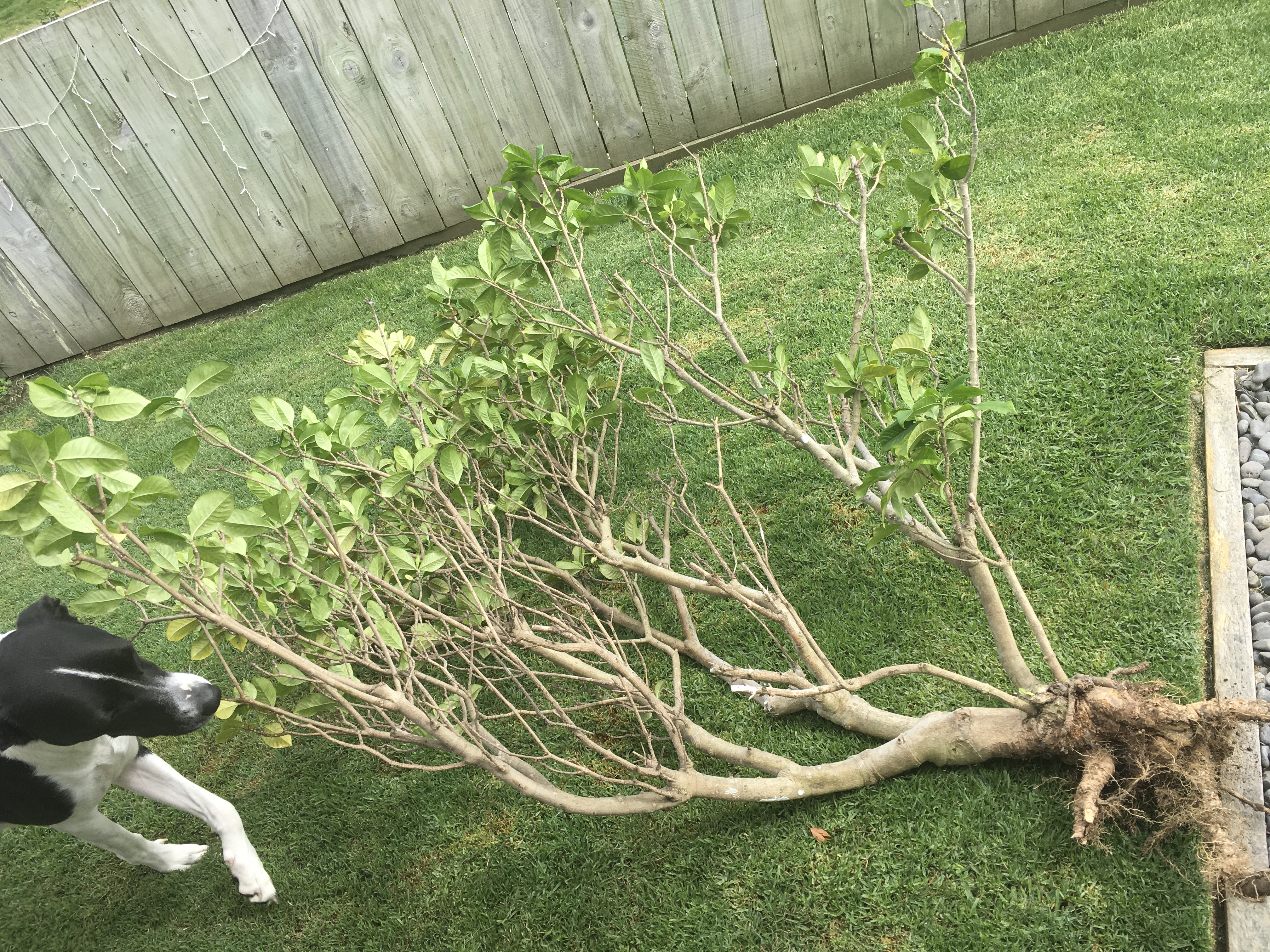
This tree started its journey from throw-away tree to Bonsai in February 2021. I wrote about how I got to be in possession of this tree back then. https://bonsaiplace.net/2021/02/28/off-the-back-of-a-truck/ .

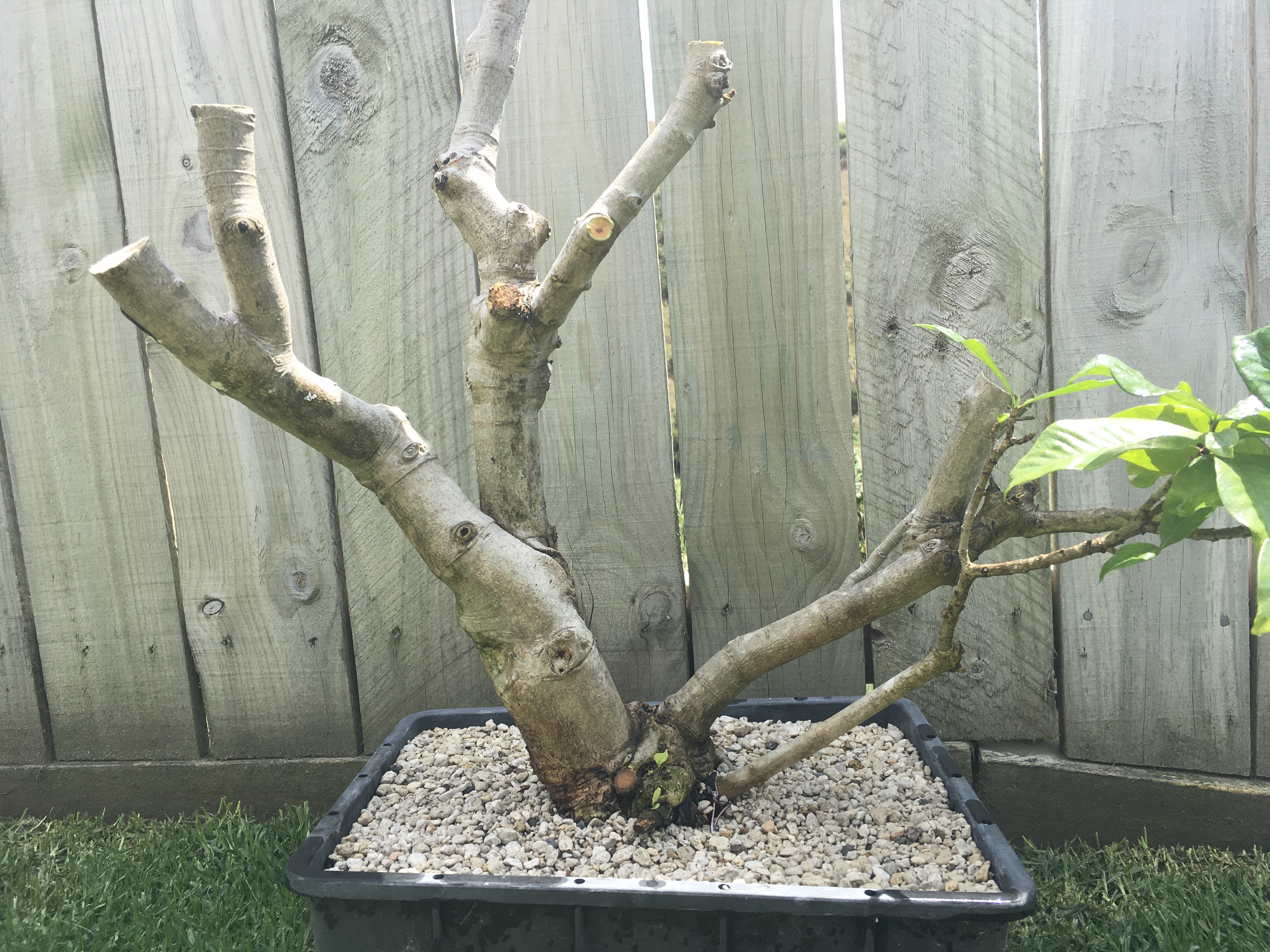
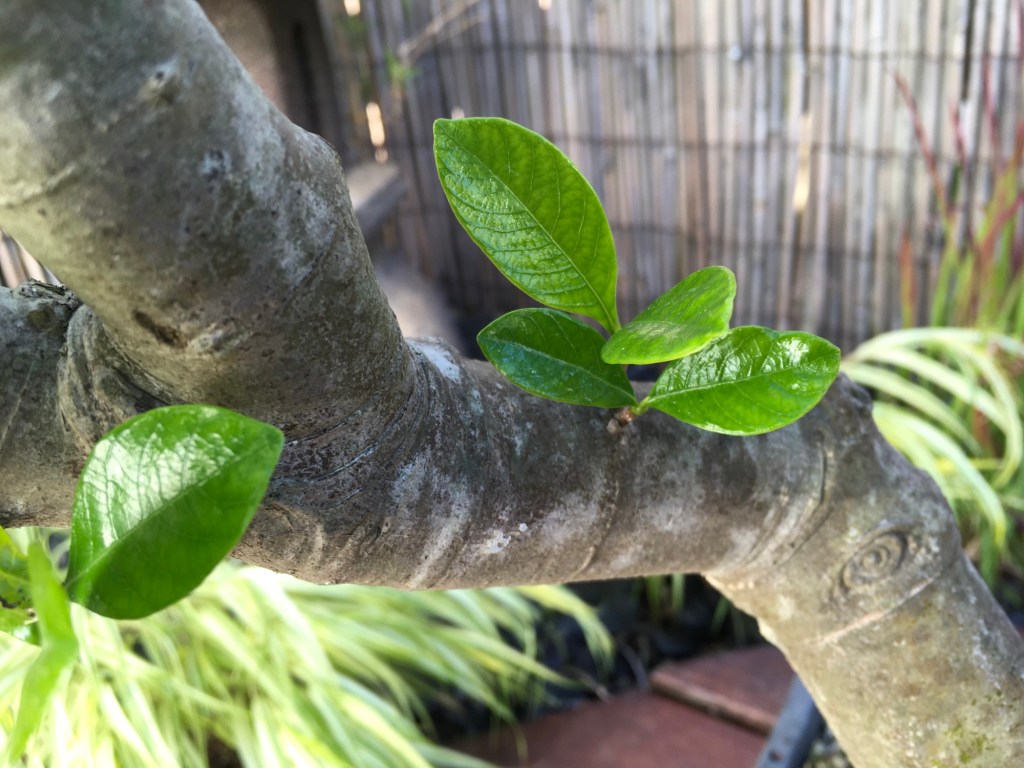
Here we are, four years later and the progression is slow but deliberate. This is within the principle of Kaizen which means doing small bits of work over time. In this case towards maturity as a Bonsai. The photos below are of the main phases of the progression with the last photos of what it looks like today.

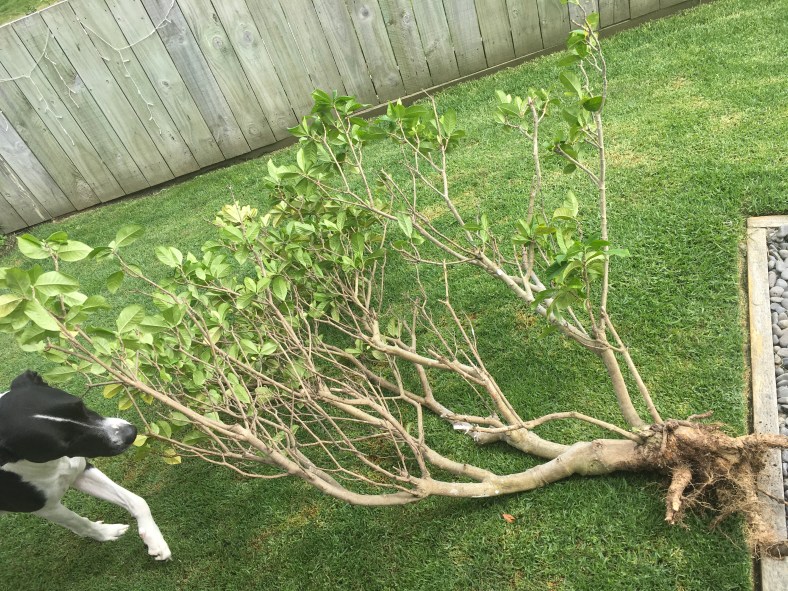
The full story is at the link above. In short, this tree came of the back of a truck on its way to the rubbish dump.
A few hours later, branch selection took place and the tree was potted up in mostly pumice.
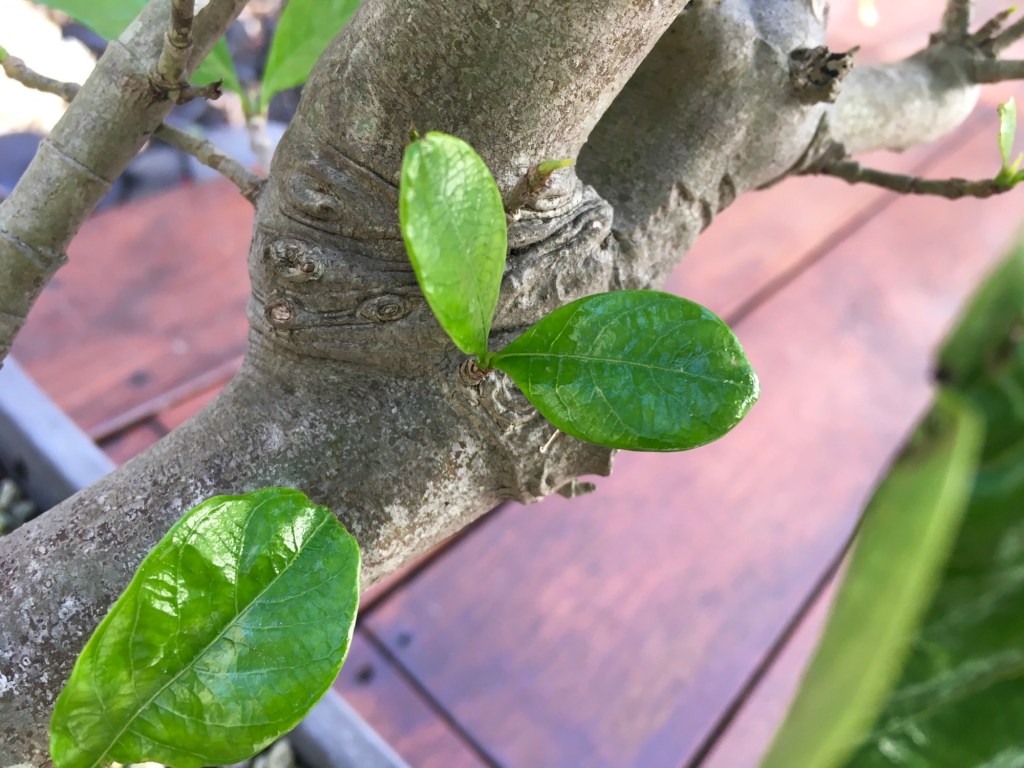
January 2025. Today saw a bit of secondary branch selection and a bit of wiring in the apex.
Another flower bud is in production.

Overall, the progression is slow, but steady. The back budding is a welcome addition compared to the previous year.

Next steps:

  • Keep fertilisation going. This is a very hungry feeder and shows very quickly if it is in need of something.
  • Cut back to minimise long internodes.
  • Wire more branches over time.
  • Pot selection. This tree will be ready for its first Bonsai pot come August. Any suggestions? I am thinking a glazed pot, not sure about colour or shape. Feel free to leave a comment on your thoughts for the pot.

Thank you for reading. Please subscribe to never miss out on new posts.

Semi-cascade Juniper Bonsai

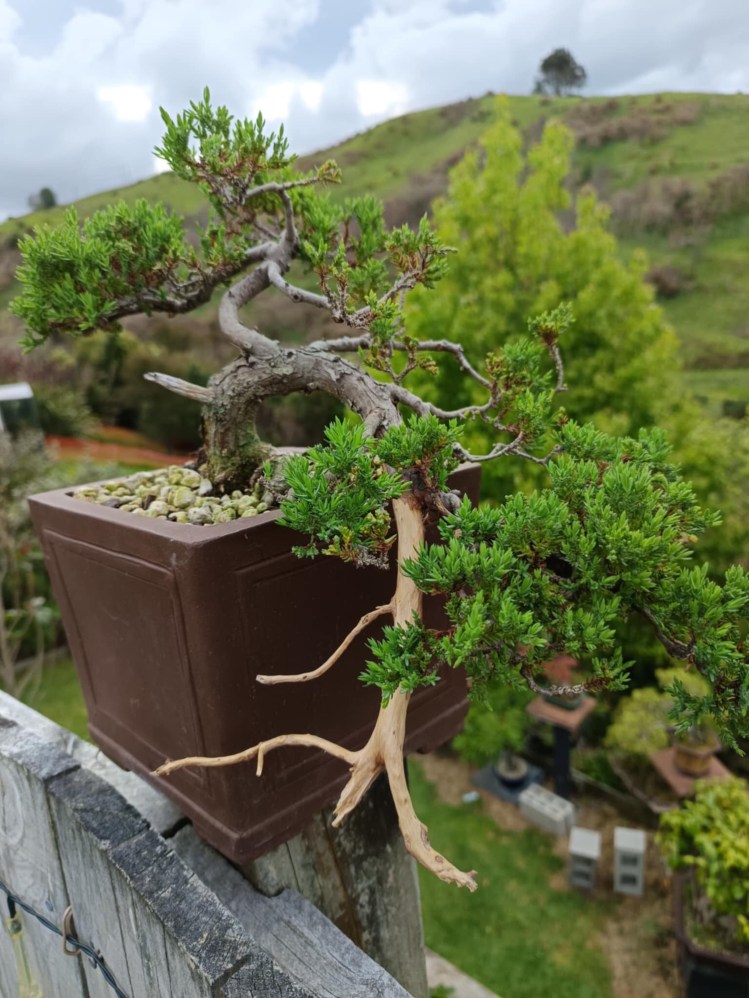
This semi-cascade Juniper Bonsai lost the bottom section and had to be restyled as a semi-cascade. A large part of the original cascade was transformed into a jin. This was done in late winter, then repotted from a taller cascade pot to this pot. At the start of Spring the fertilisation cycle was intensified and now we have a great colour on the Juniper as well as bud burst all over the plant. The next step is to let it grow more for another month and to then trim and wire the foliage pads back into place.
The video. It can also be watched on our You Tube channel.

https://youtube.com/@bonsaiplace6508?si=8decudPEdSBvxfwm

Mountain Beech as Bonsai

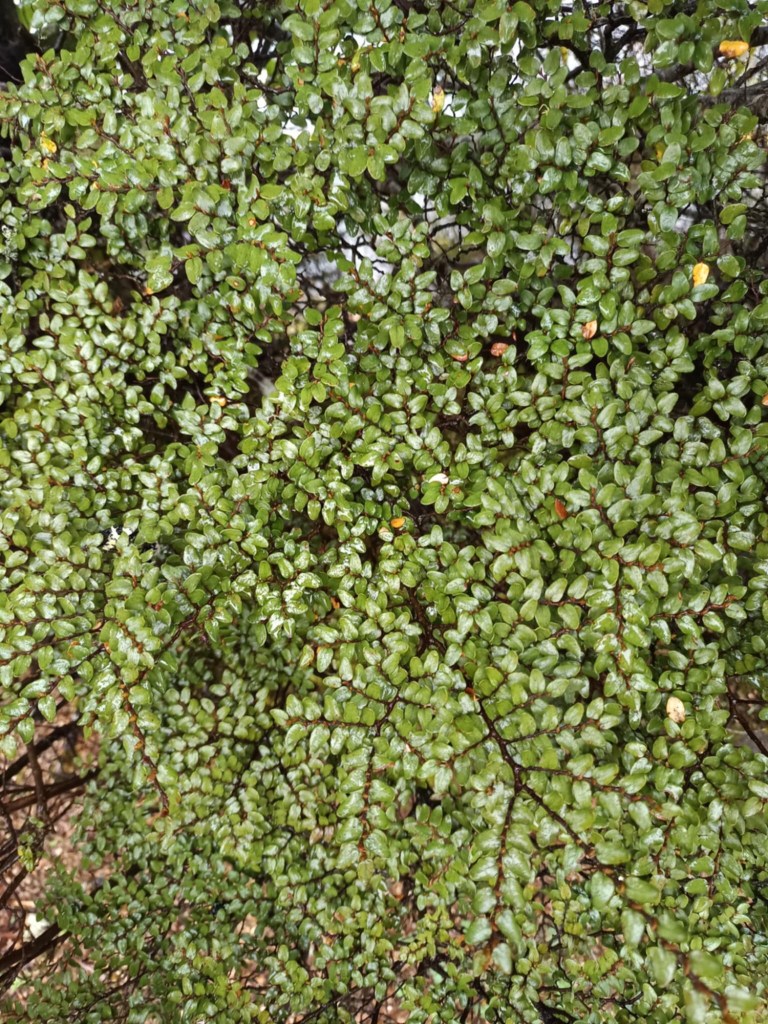
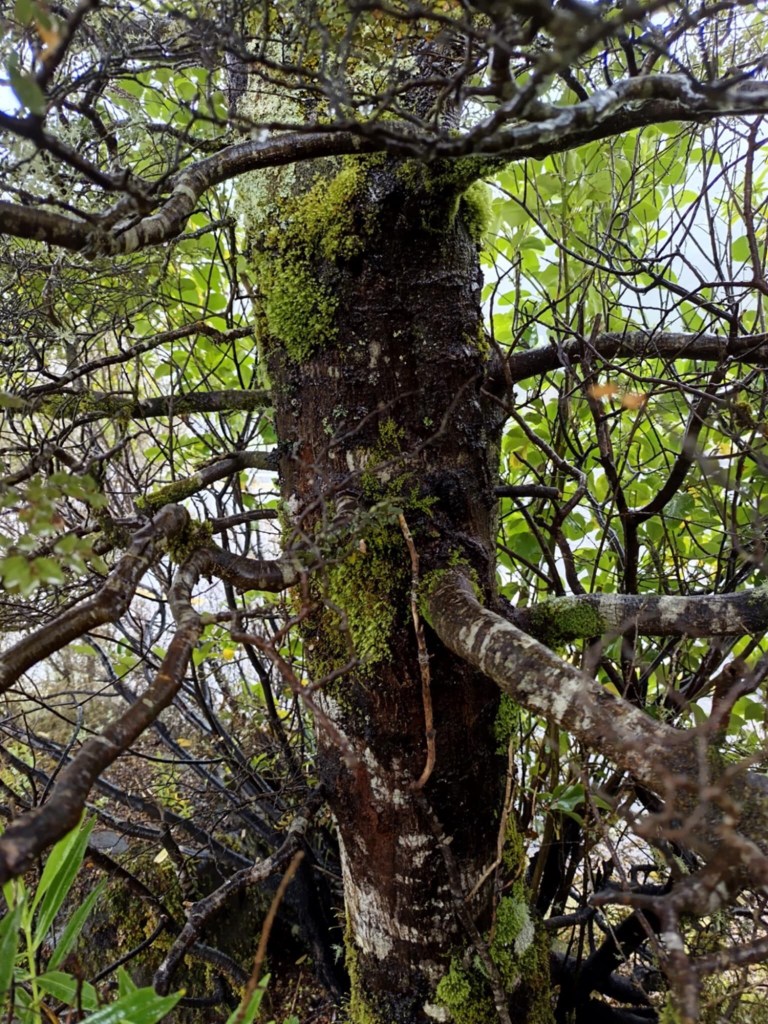
Nothofagus cliffortioides, known as Mountain Beech, is a large, evergreen tree native to New Zealand. The taxon is also known as Fucospora cliffortioides in New Zealand. It is found on the South Island and around higher altitude areas of the North Island. The photos in this article were taken in the Tongariro National Park area (Whakapapa).

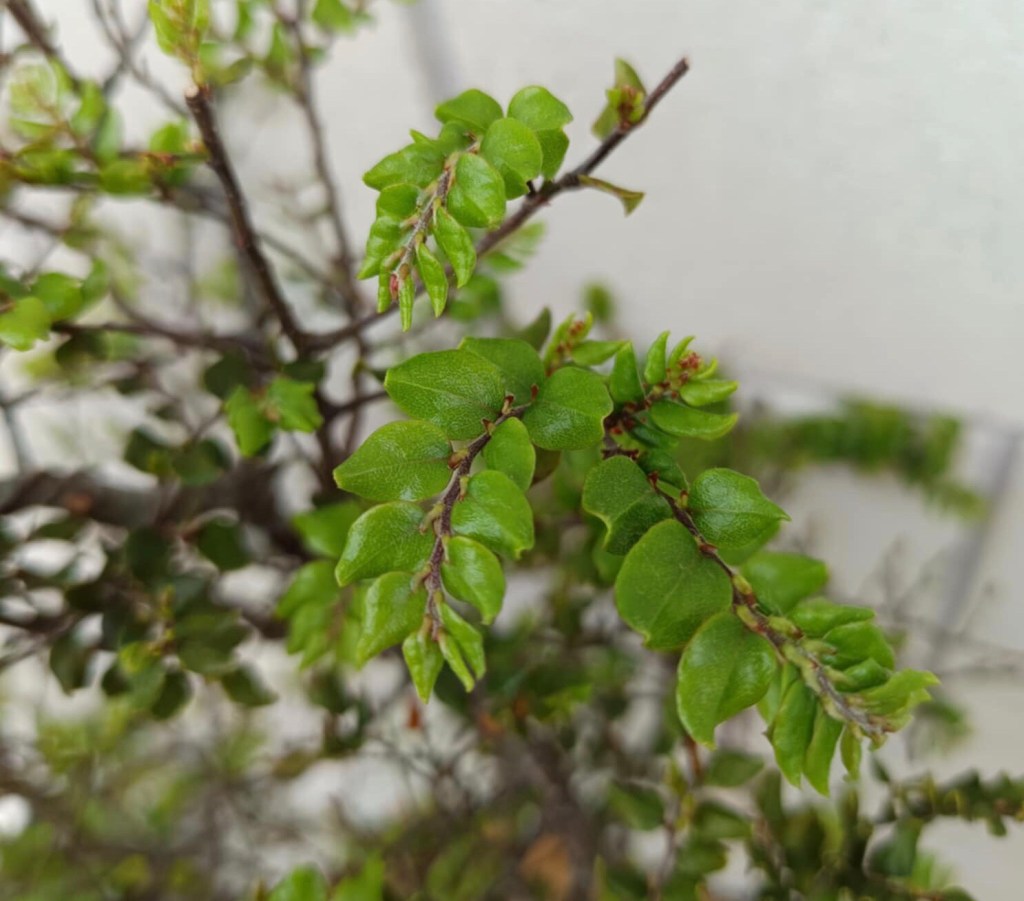
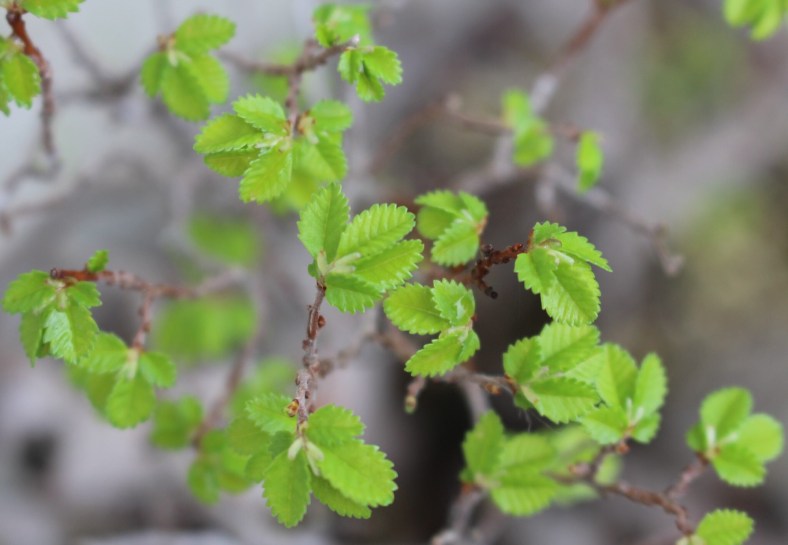
The foliage consists of small, dark green leaves which are carried closely on short stems in fan-like sprays. In its natural habitat the branches and leaves form natural foliage pads as commonly seen in Bonsai. It is this growth pattern that caught my attention while out and about studying trees and looking for Bonsai related inspiration. Masses of tiny, red flowers are borne across the tree in spring. It grows with a broad and somewhat rounded habit to about 30 m tall and 12 m wide. Will these trees make it as Bonsai?

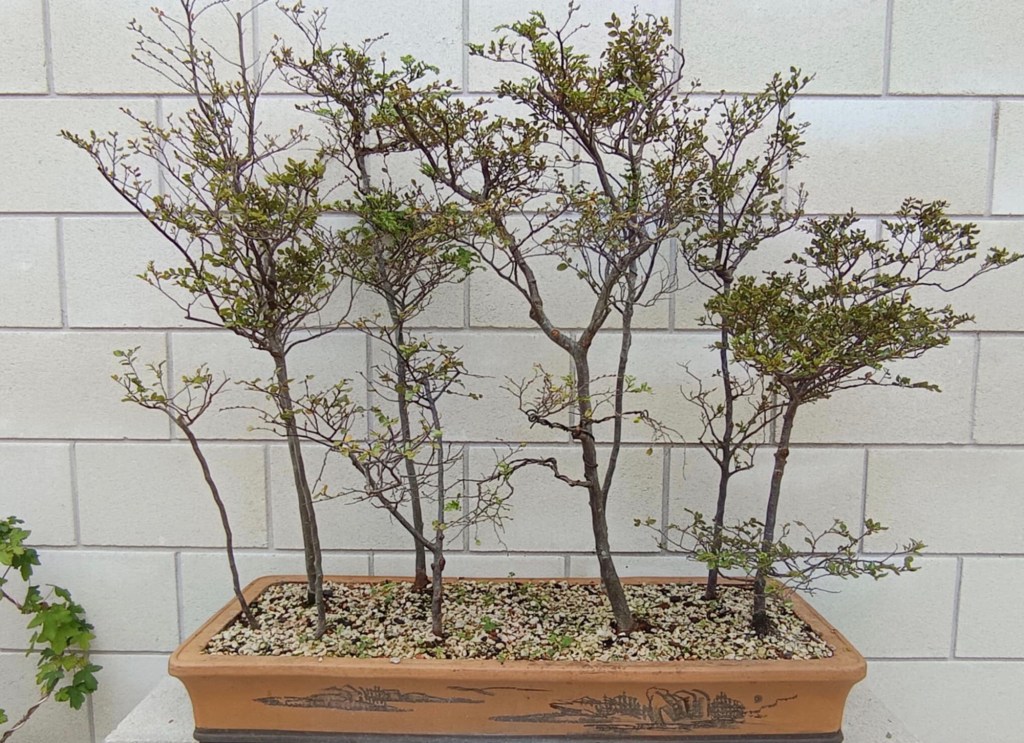
I ordered a few nursery trees a few years ago and these were planted in a long and narrow pot. The soil mix is made up of about 50% compost, 40% pumice and 10% scoria. In its natural habitat the soil is mostly organic with a high percentage of scoria and other volcanic rock mixed in. The photos in this article were taken of trees in a sub-alpine area with a few other native species in the immediate environment.

The trees that I have are arranged in a forest formation and since planting, the trunks have only marginally thickened with most of the growth originating from the canopy area, a clearly apically dominant species. The trees are ok with pruning, at times dropping leaves, but generally budding and forming new leaves within six weeks after partial leaf drop. I am not sure if this is a natural occurrence or a reaction to pruning.

I have wired some branches into a flattened foliage pad direction to imitate the natural growth. In young trees the growth tends to be vertically upright and as the branches get older, start to grow more horizontally with the nice evergreen foliage pads forming.

Still skinny but ready for canopy shaping.

My next plan is to source more nursery material and to grow these in the ground for a few years for the trunks to fatten up before they go into a pot. At this early stage of my current trees, I am leaning towards the fact that they do not add a lot of width to trunks as soon as they go into a pot.

Thus far no disease or pests have been encountered and except for the hysterical leave drop after pruning, no other quirks have been observed.

Below are trees in forest style plantings done by New Zealand forest planting specialist, Mark Fredric. Mark has managed to capture the naturalistic style of these Beech trees.

Small mountain beech, lancewood and fern grove Mark has put on the rock 14 years ago. The combination has never been repotted. In the background to the right is a mountain beech group and to the left rear is a silver beech forest planting. Great examples of using Beech trees in group plantings.

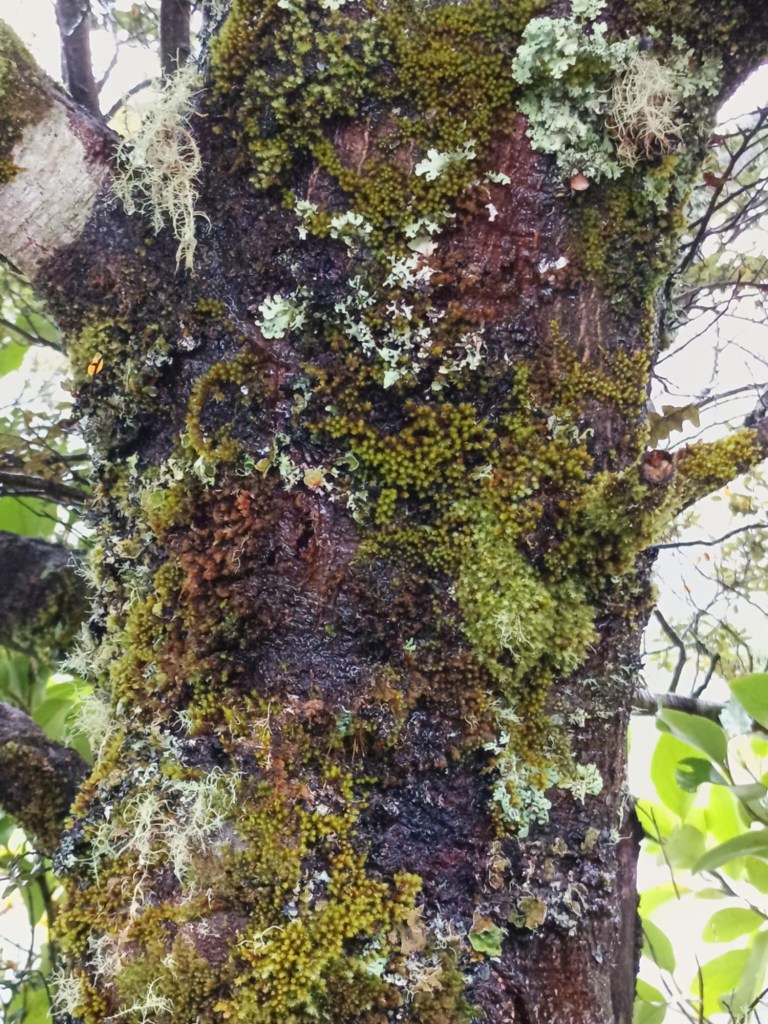
One of the debates we also still need to properly have here in New Zealand and probably in other areas where there is prolific moss and lichen growth, is the one about especially the growth of lichen on our Bonsai specimens. Lichen grows naturally on trees and shrubs in New Zealand forests and is a feature of natural habitats where moisture and shade enhances the growth of these symbiotic organisms. Do we leave them on or do we take them off? Let’s talk about it and feel free to leave your ideas and thoughts below.

Next update in about ten years 😉.

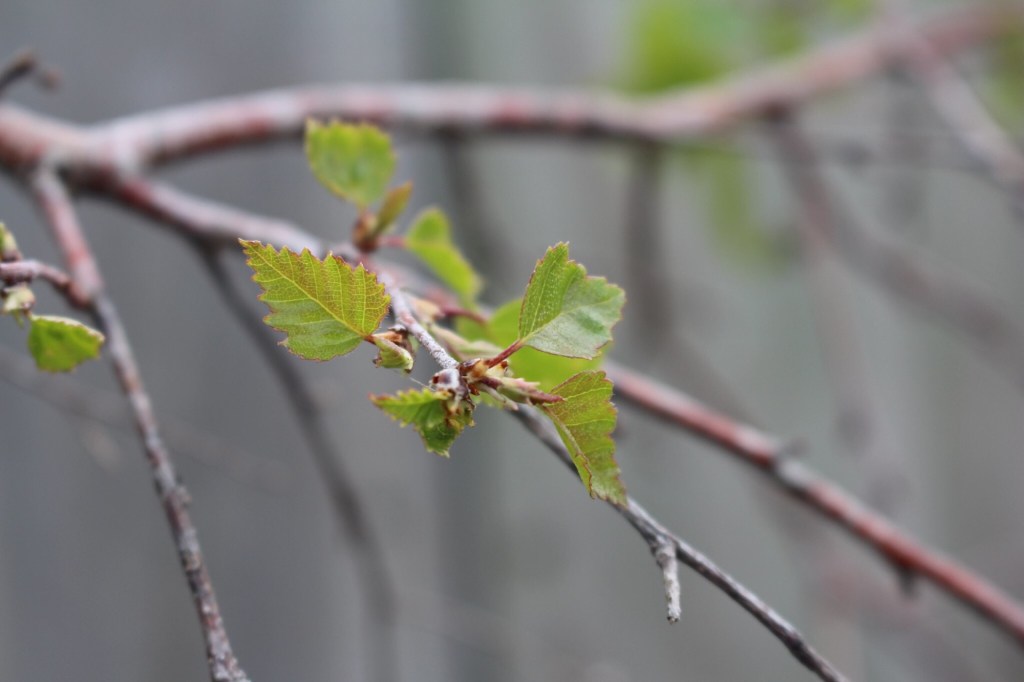
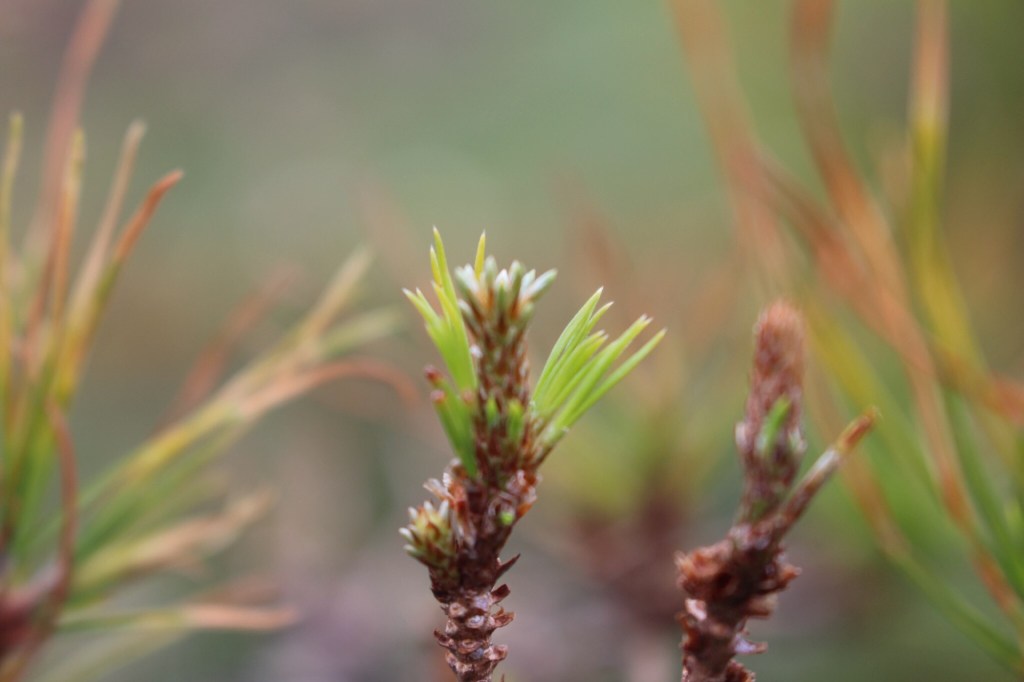
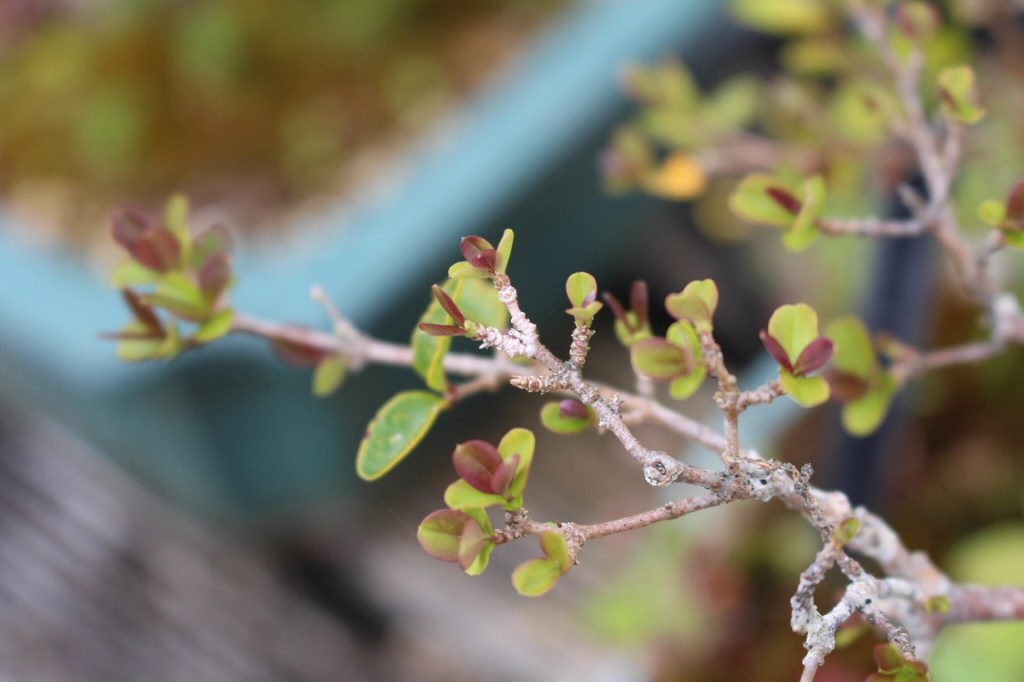
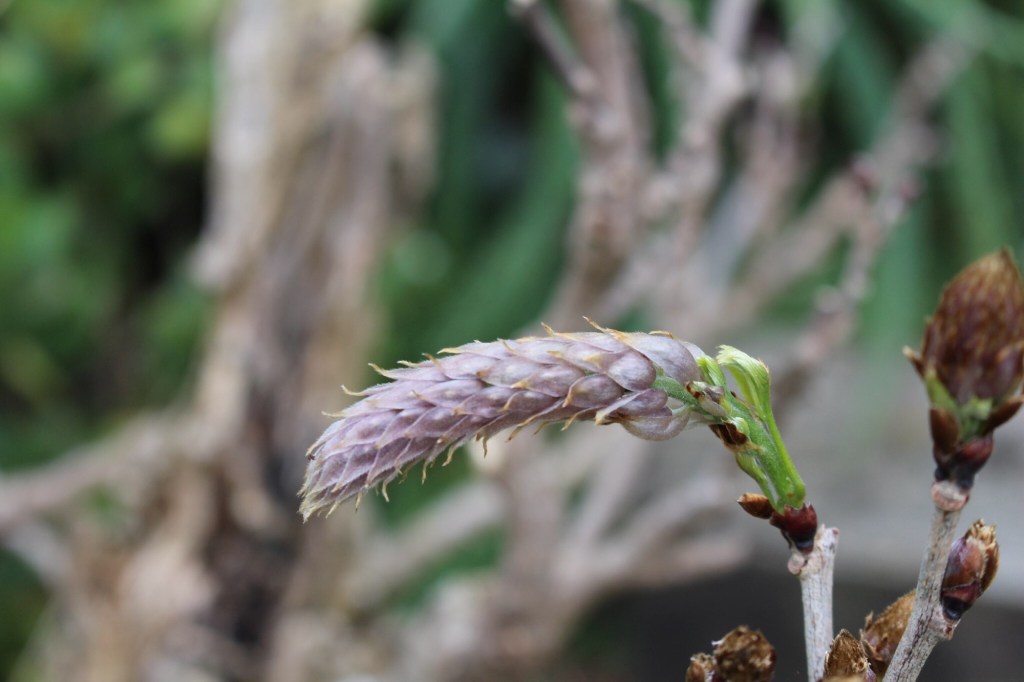
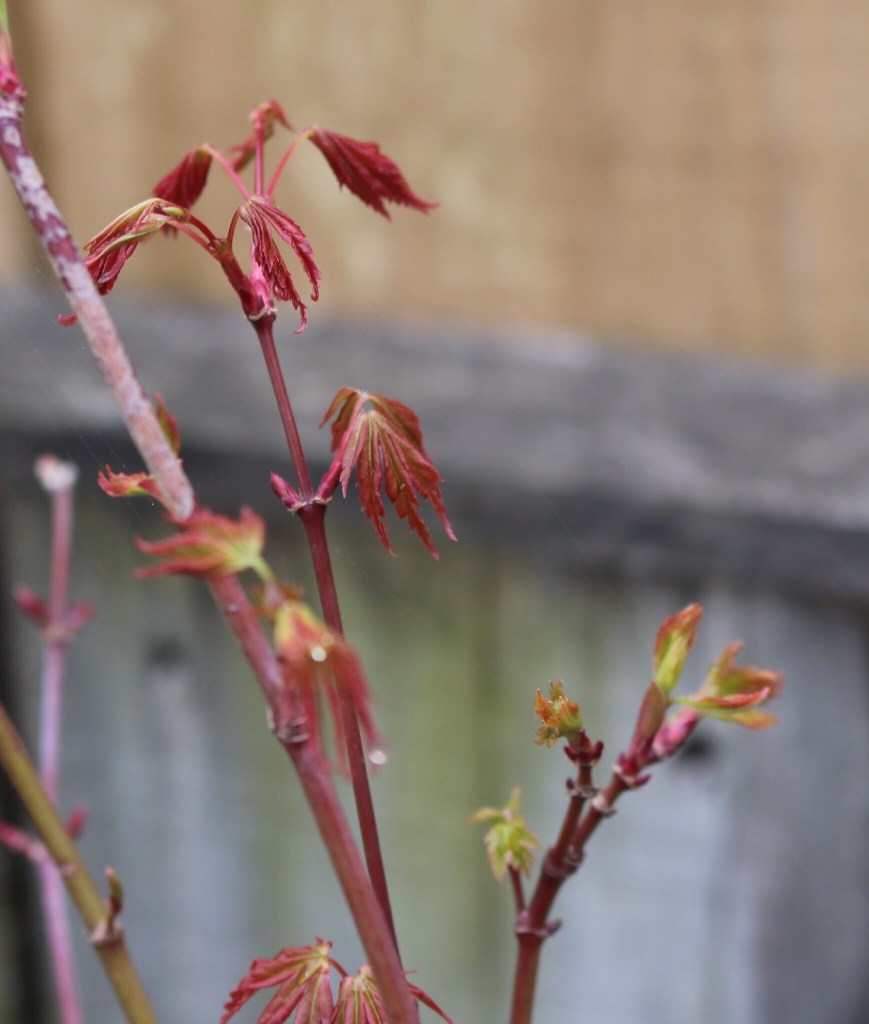
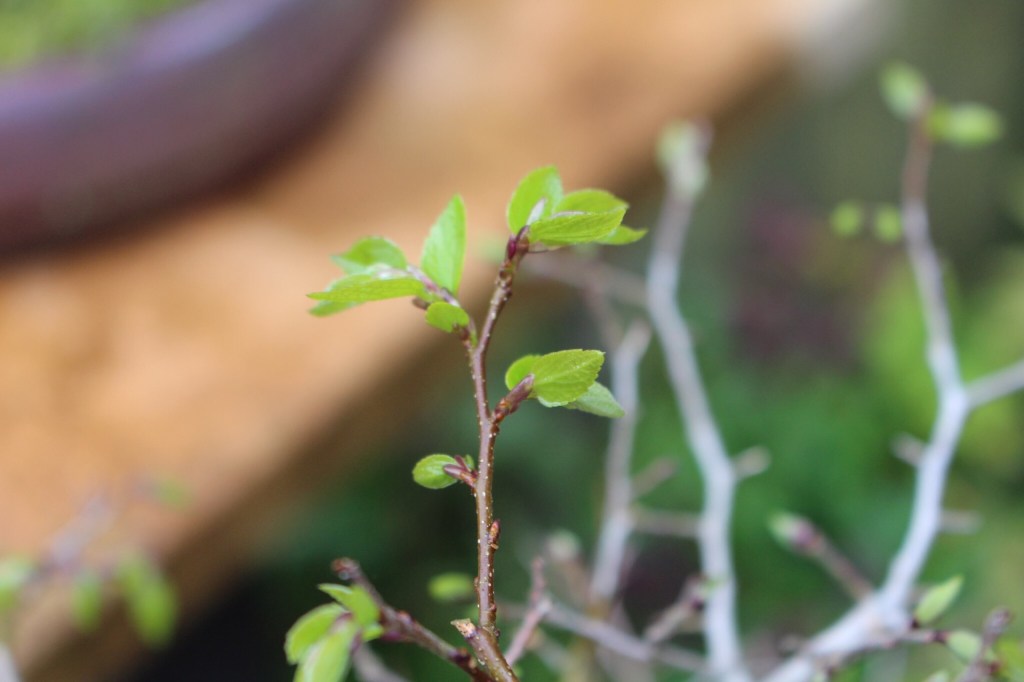
Spring is in the air.

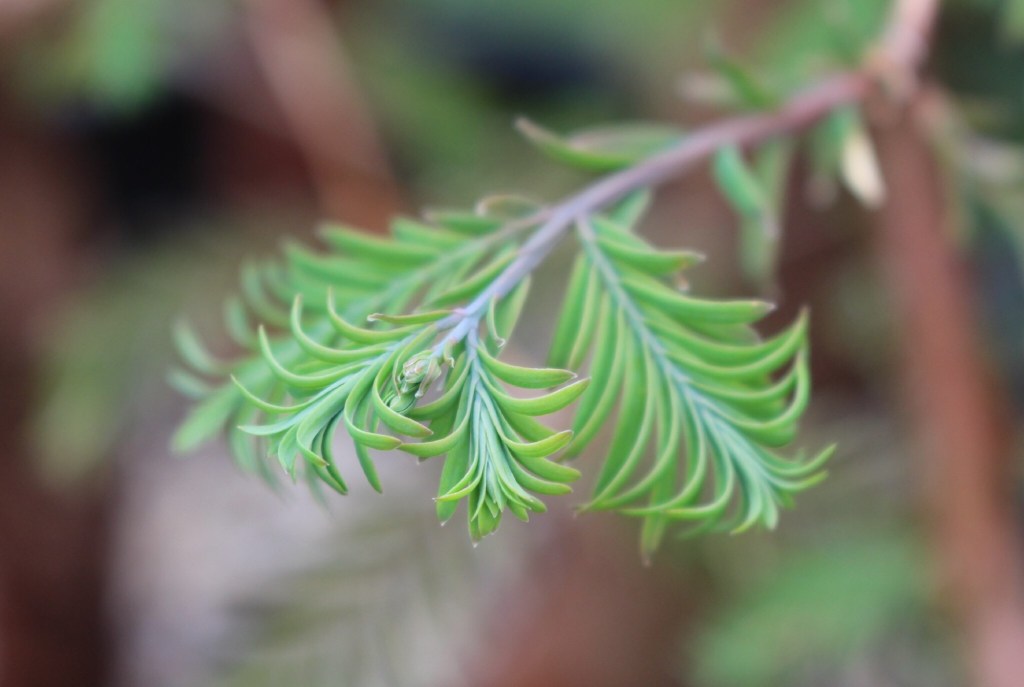
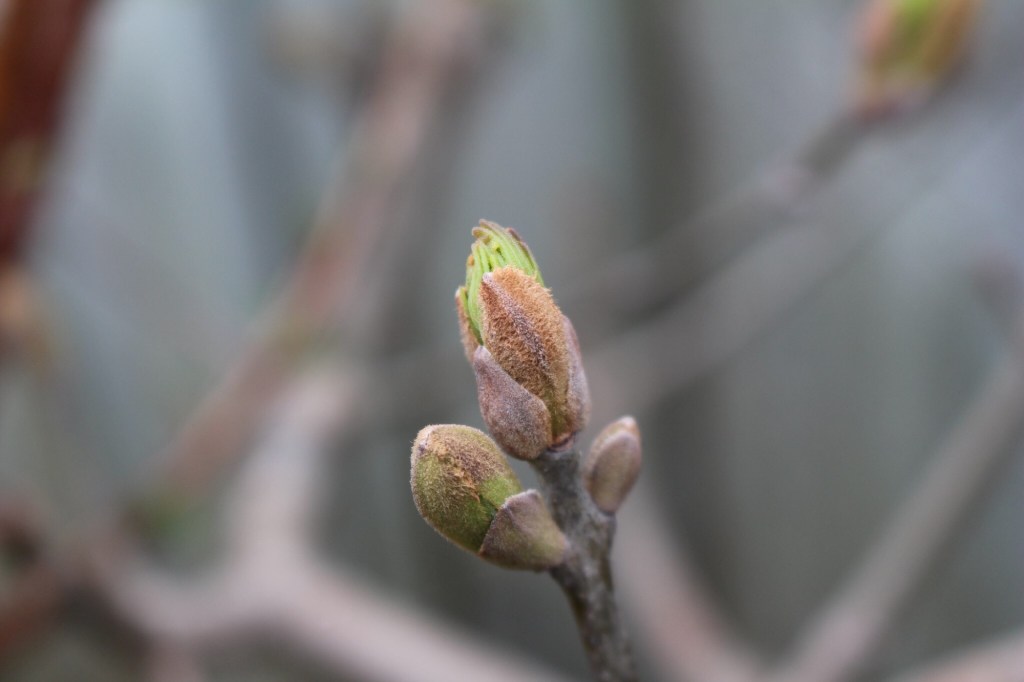
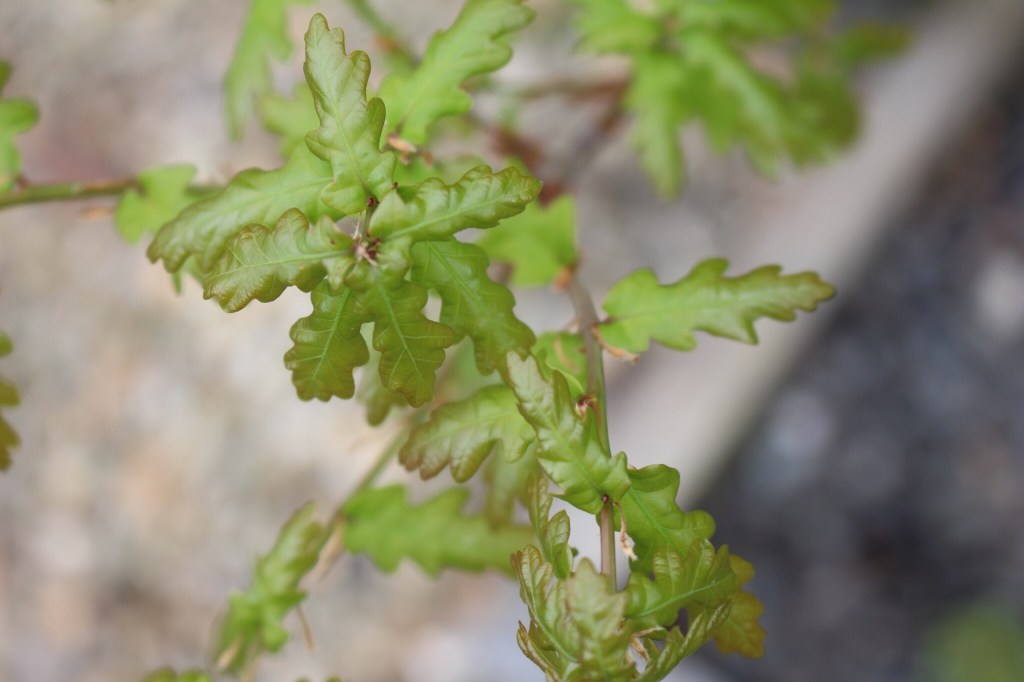
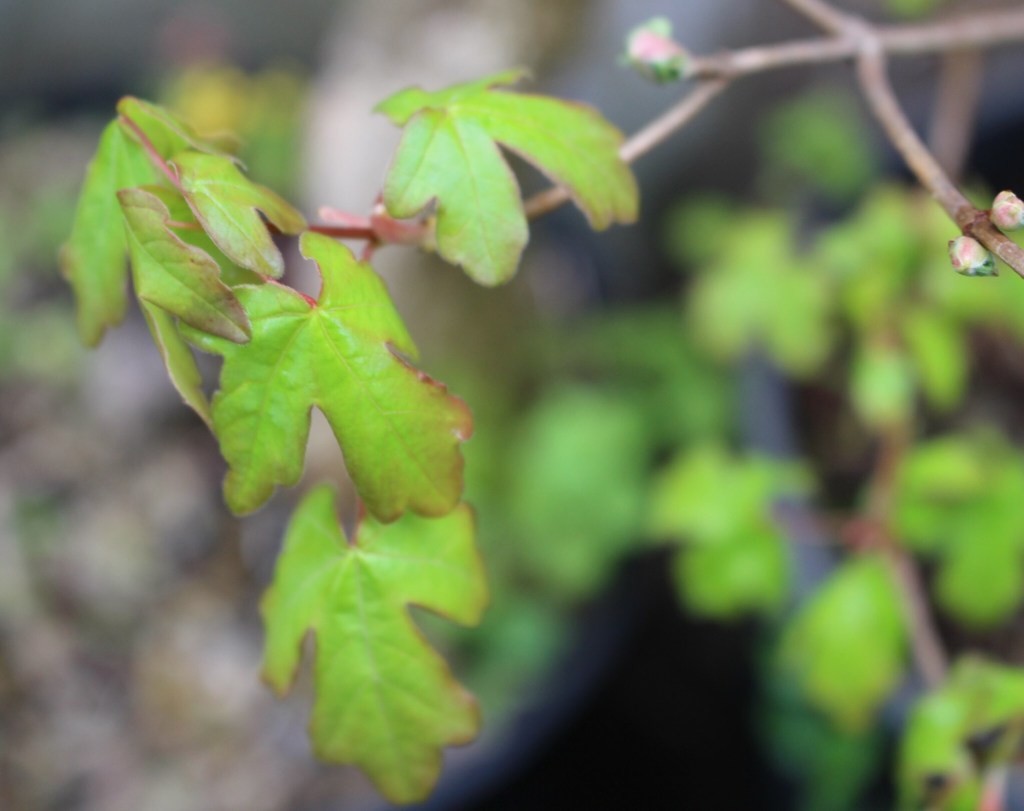
Yes, we are in the Southern hemisphere and therefore it is Spring here in New Zealand. Words are not necessary to explain the new energy, new life and beauty that is seen across deciduous trees coming out of deep dormancy and evergreens pushing more auxins to the right places for Spring growth to emerge. For me this is New Year’s. No 1 January for Bonsai people, the start of Spring and a new growth cycle is our New Year’s.

Just pictures, no words.

How is your new season going? Even if you are in the Northern hemisphere, you will have a different season and a new phase for your trees.

Committing a Crime in the name of Bonsai Art.

I was confronted with this Mugo Pine and had no idea what to do with it. The two bar branches at the bottom is ugly and the two arms going up from there does not lean itself to any of the Bonsai styles that I know of.

After many days, weeks and months of staring at it from different angles, I one day was working on a small Japanese White Pine that is planted in a crescent shaped pot and a new idea came to me. To do this, many Bonsai “rules” must be broken and the tree put at risk due to a lot of material being removed. This is a calculated risk. More about that later. Here is the culprit in all its former glory.

What to do with it?

The decision was made to remove the one thick branch on the one side and create a two inch long Jin out of it.

The Jin on the right.

Then the other branch was stripped and Jinned as well.

One short Jin and one long Jin.

This longer Jin is now wired up and bent in the shape of a crescent, the same as what a crescent shaped pot would look like.

Now the only branch that is left is shaped to represent an informal upright style Bonsai tree with a loop in what is now the trunk to get the height correct.

The end product for now.

Aftercare and the future: the tree will now be placed in a sheltered spot and remain there for at least a year. Fertilisation, watering, checking on the wire and weeding is the most excitement this tree will see for a long time. When the time is right, the wire will be removed and the Jin will be further developed. That will just be some detail work, inclusive of using fine carving tools, torching it and lime sulphur treatment. The tree will also go into a Bonsai pot once the growth is strong.

I mentioned taking calculated risks earlier. It really comes down to mitigating the risks by thinking through each risk and finding a way to minimise the risk. These include not potting anytime soon which means no root work at this time, sealing all the wounds and keeping the tree out of wind and harsh sunlight. Extensive wiring took place and this is mitigated by placing guy wires in places to support the harder wiring as to take some of the load off. Guy wires are attached to the wire on the branches / Jin and not on the branches itself. Now, let’s pray.

The shorter Jin that will undergo further development.

Guy Wires for Old Bonsai Maples

Someone recently asked about the use of guy wires in Bonsai. I find that guy wires are particularly useful when used on older Maple trees.

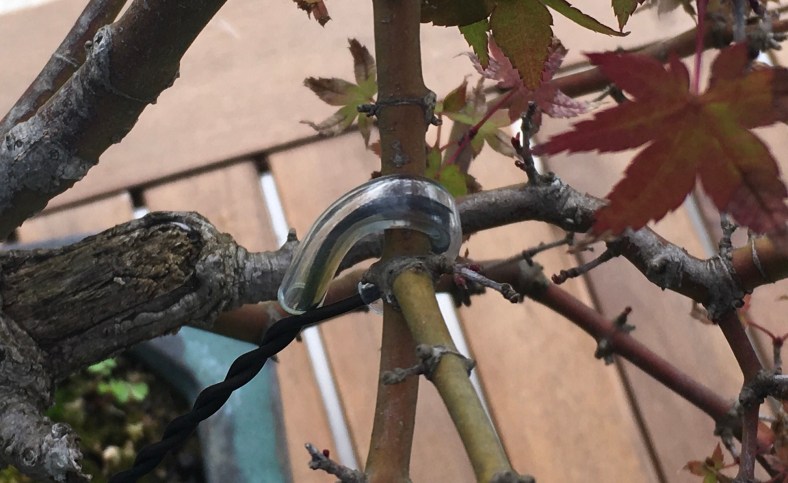
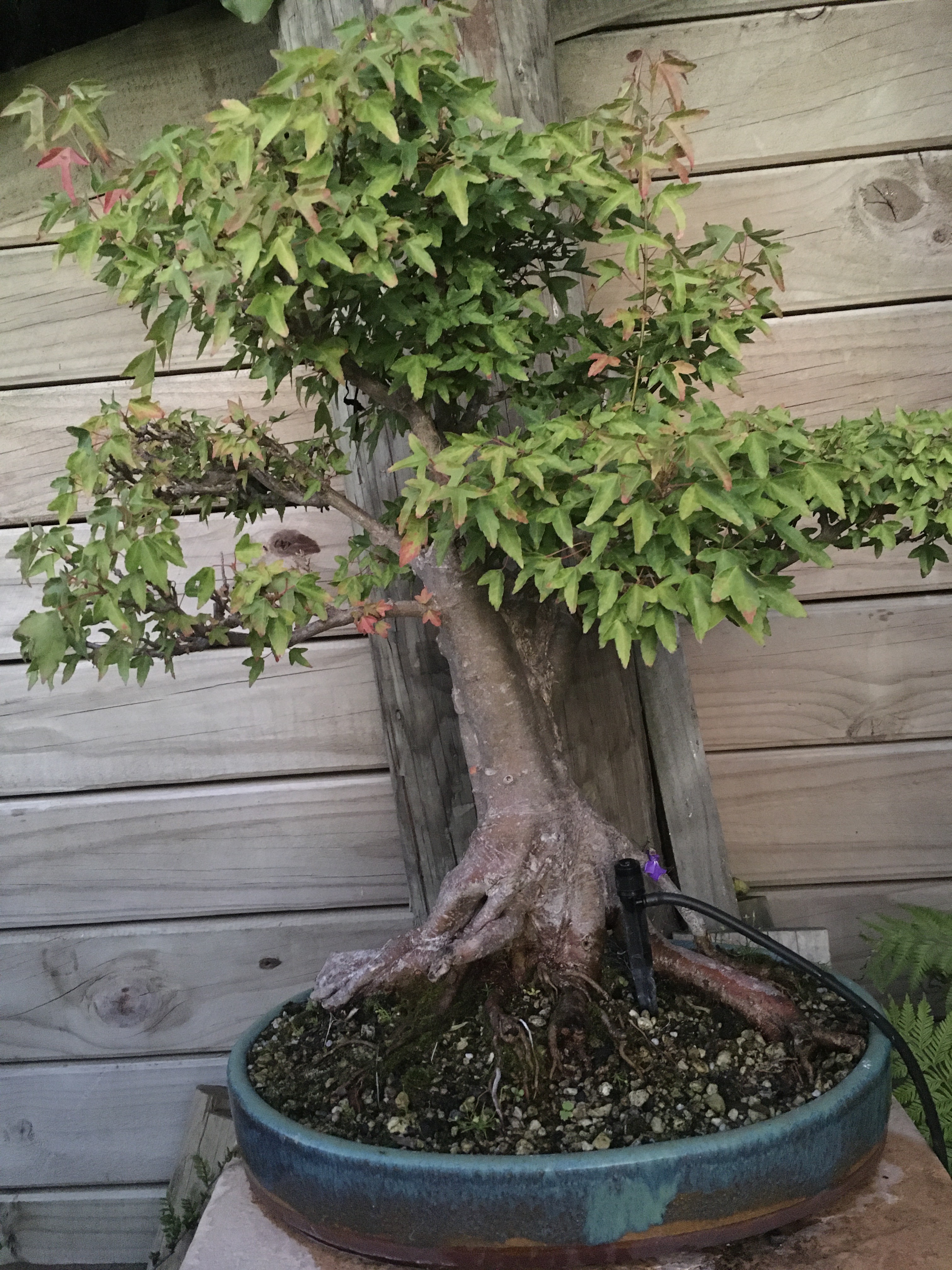
The branches are very brittle and not flexible at all (the older ones). The tree in the photos is a prime examples of this. Two branches were lost over the last few years trying to set the branches with wire directly applied to the branches. The first photo below has a little stump just under the wire (middle) where one of these branches, which just happened to be critical in filling the back of the tree, broke while bending.

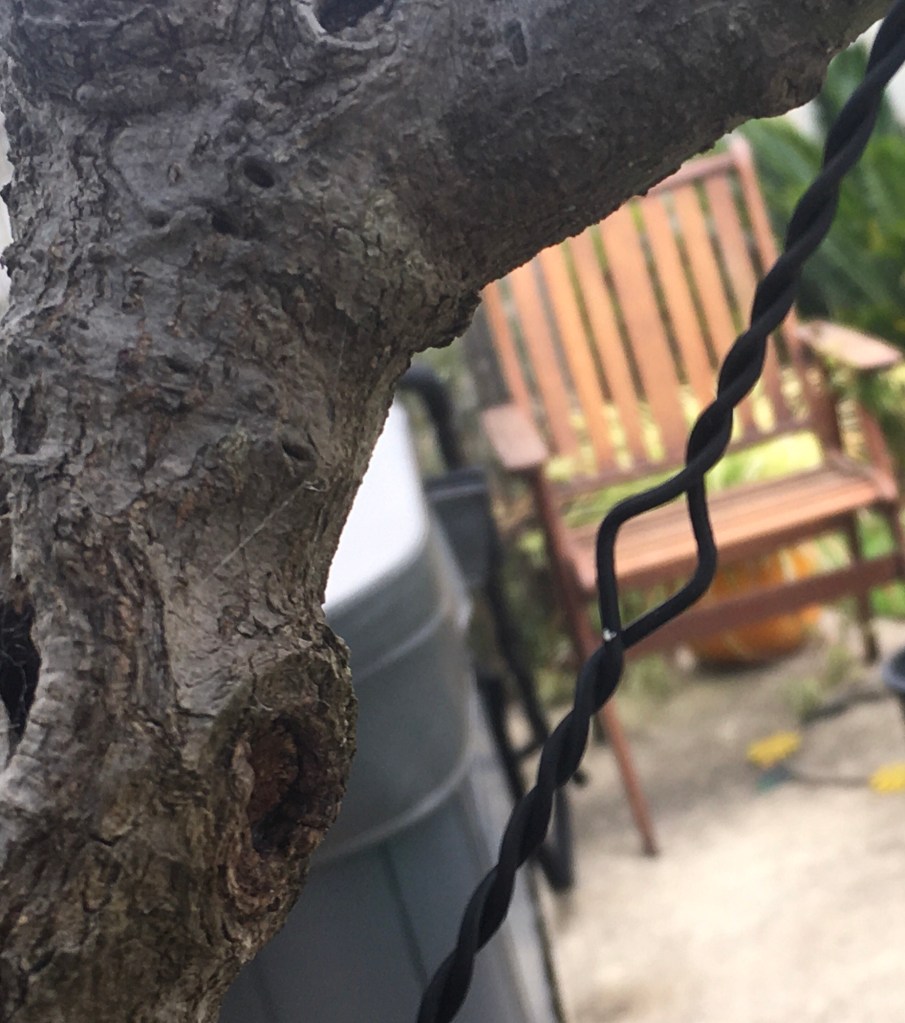
I apply a guy wire if I need to pull a branch down or sideways on these brittle branches. A screw is placed at the bottom of the trunk, preferably under soil level or as close as possible to it. The hole left once removed will close quickly.

The important thing is to set or twist the wire over time. The tree in the photos had two turns per day over five days to get the branch where it is suppose to be.

It is important to use some sort of protection on Maple branches as a naked wire will cut in. There is an article at http://www.bonsaiplace.net that has more details on the use of guy wires.

Wire on, wire off.

It is always exciting for me to apply wire to a tree and I feel the same excitement unwiring a tree. Applying wire is part of the creative process. You wire and you place the branches in place and when done, you can stand back and admire the design. Removing the wire for me brings the same excitement in that once the wire is off, two emotions are detected. One is happiness that you managed to remove the wire in time with no nasty wire bite marks on the branches. The second emotion is about the same as seeing an infant take the first steps on his or her own or seeing your puppy successfully toilet trained. Your tree is now on its own, with no help from wires to keep its shape. It is resembling something more advanced from the time that you applied the wire. It is another step towards maturity as a Bonsai tree.

Wire off.

How do you do this job? Some people cut the wire in short bits and others uncoil it from the branches. I do both. Usually thicker wire gets cut and thinner wire gets uncoiled from the branches. It also depends on the size of the tree for me in that I prefer to use my fingers on smaller trees as my wire cutter is quite bulky, but perfect to use on the thicker wire where the chances of damaging bark is greater. Using the cutter is just easier, especially on Copper wire. Aluminium is softer and much more pliable which makes for safer removal of the wire. And that brings us to a very important point. Safety and the health of the tree always comes first. If you cannot remove the wire safely by hand and the uncoiling method, the appropriate tool should be used. Never compromise on the health of a tree.

I also usually start with all the thinner wire first. In other words, the reverse order of which the wire was applied in. My technique is to set the thicker branches first, therefor using thicker wire and from there use thinner wire as the branches taper out to the thinnest ones. Starting with the thinner ones also means working from the outside in and avoiding the odd wire that naughtily crossed a thicker wire in its pursuit to support the tree. Yes, it does include some planning on order of work and technique to be used. I also usually start at the bottom of the tree and work my way up, one branch at a time. That will minimise the chance of missing a wire somewhere and then discovering it a few weeks later, by then causing damage to the branch where it was missed.

Do you re-use uncoiled wire? I do, especially for students to practice their wiring technique. To do this, it is best to get all the bends out of the wire first. I use a smooth steel pipe that is fixed on both ends and then all you have to do is take the ends of the wire around the pipe in each hand and pull it across the pipe a couple of times and it is as straight as new wire again.

Unwiring is part of the process. Do it mindfully and your tree will reward you not just with its aesthetic appeal, but also with good health and a feel good emotion of accomplishing something worthwhile.

Feel free to comment on how you approach this task and any tips that will make the job easier.

Always have Fun.

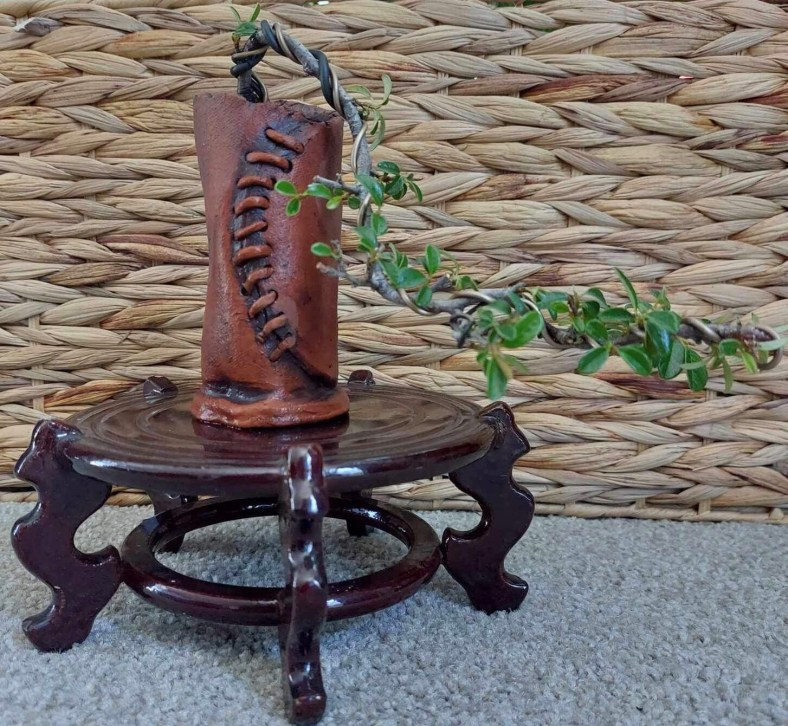
The composition is 14cm high. The pot is by Fionna from @How I make Bonsai pots in New Zealand. The plant is a Cotoneaster and has already flowered. Flowers were removed as the focus is on development of the branch structure. It feels like a fun toy to play with.

Semi-Cascade Cotoneaster Bonsai

How Much is my Bonsai Tree Worth?

I have over the last few months been asked to value some Bonsai trees for various purposes. One was from a buyer who wanted to know if the seller’s prices were fair, one was for an insurance claim and the third one was a person questioning the price that I had on a Bonsai that I was selling. To cut to the chase, a Bonsai tree is worth what someone else is willing to pay for it. I have a few trees with extremely high prices on them and the reason is that I do not really want to sell the trees. We also know that a lot of people do not get involved in the pursuit of Bonsai as there is a perception that it is quite an expensive activity to participate in. Another observation that I have made over time is that when you do provide a valuation on a tree, the buyer is usually still skeptical and the seller think that you are doing them in. What the to look for when you value a Bonsai tree is quite diverse and multidimensional. Some things will add to the value and some thing will detract from the value. I am off-course talking about monetary value here but also do not want to throw the emotional value that a person might feel for a tree out of the picture. It is part of it, but hard to put a price on.

If you are reading this with the expectation that when you get to the end of the read you will know exactly what price to put on a tree, then you will be disappointed. What I can do is highlight those things that will add value to a tree and also point the things out that will detract from a tree. Now I know what you will do, if you are a seller, you will only highlight the things that will push the price up and when you are the buyer, you will only notice the things that will reduce the price. All is fair in love and war and Bonsai trading. So here we go.

One of the things that I always do is to troll through online markets where Bonsai is sold and also visit markets in person to get a feel of what the asking prices for different trees are and then in conversation with vendors, ask about what the tree sold for. There usually is a difference, especially at the higher end of the market. I have seen trees that sold for half the asking price and have also seen trees that were completely underpriced. Doing some research is the first point to take note of. Comparing prices across different species and ages is a good starting point.

The biggest factor is the aesthetic one. Does the tree look like a Bonsai and does it evoke an emotion? If it does, then lets start to look at how we can get to a suitable price. The number one price differentiation is age once the two points mentioned above are satisfied. With age comes the predictable themes of a well-developed Nebari, bark and ramification. A wide-based trunk with a good taper covered in thick bark platelets and branches that keep on ramifying with well-developed foliage pads or levels will immediately enforce a high asking price. Let us talk about a continuum or sliding scale for this purpose. What we are saying here is that a younger tree will be at the lower price end of the scale and the one as described above will be at the other end of the scale. Your country specifics or even district specifics will determine what the higher end of the scale looks like and what the lower end of the scale looks like. If the highest any tree has ever gone in a country ids $1,000 then that will be the high end and the low end will be zero, a free tree. On age, a tree will fit in somewhere along that scale. In a place where trees can be collected from the wild and where they have reached a very old age, Yamadori from these places will dictate a higher price than seedlings from the same mountain.

The next factor is specie. In some places Conifers will be more highly valued than broadleaf trees or deciduous trees. If you follow a few Bonsai experts on social media you will be under the impression that Pines and Junipers are the ultimate in Bonsai species. There are many others. Climate is important here as well and so is personal preference. I lived in a much colder place before and Maple trees were spectacular in their coloring during Autumn. Moving to a much warmer place with high humidity, Maples do not do as well and in my personal estimation has gone down a few notches for where I live now. For that reason I cannot pay a lot for a Maple tree that will never reach its full potential amongst my collection. They are still there, I am just not going to pay much for them and running the risk of a tree that throws tantrums.

In my country Privet is a pest tree and should be eradicated, the same with wilding pines. For that reason, these trees will always be at the lower end of the scale than a tree like a Japanese Black Pine or a sought after Juniper. Environmental status therefore will also play a role with pricing. A much sought after and in some cases, protected or native trees, will reach higher prices that the thousands of Radiata Pine that can be collected on the side of the road in my country. I am not saying that they are worthless, just that they will be lower down the price sliding scale than a Japanese White Pine or a Juniper with exquisite foliage.

A healthy tree will demand a higher price than a disease ridden tree. I have a filthy habit of checking under tree leaves for things like spider mite and even scratch around in the soil to see if there are any nasties hanging around there. Yellowing of leaves (do not get confused with Autumn coloring), flaking bark, dry or dead roots and a just generally sad appearance will let the slide slip to quite low on the scale.

The pot. This needs to be factored into the price as it can be quite a costly item. This is all about style, size, connection with the tree and then also the source of manufacturing. If you are into the valuation of Bonsai trees, you probably need to know a lot about pots, potters and their marks. It is definitely not just about the tree. On this topic, the growing medium is also a sign of care. Is it appropriate for the specie of tree? Is it Akadama, is it a proprietary mix and then a big question, when was it last repotted? While you are there, have a look at whether the tree is properly tied into the pot, check on drainage and also on chips and defects.

Then comes the hardest part. Valuing the effort, care, attention to detail and love that went into the tree to get it to where it is now. Labour costs over many years is indeterminable and this is the bit that makes the pricing of Bonsai more of an art than an exact science. That is the seller’s prerogative and in my mind, the only bit that is not clear cut and where haggling can take place. Just keep in mind that if a tree is priced right, it will be disrespectful towards the artist to diminish his or her work for the sake of a few dollars. In saying that, a high profile name is not necessarily a determinant of a high price. You must still be able to care for the tree with dedication and the correct techniques, no matter where the tree came from.

In ending it comes down to adding the plusses and subtracting the minuses, comparing it to the market (availability and price) and then figuring out the X-factor. Good luck and be prepared to be abused and ridiculed when you get involved in the business of valuing Bonsai trees, especially at the high end of the market. Last words is the same as in the first paragraph. A Bonsai tree is worth what someone else is prepared to pay for it. The asking price is not necessary the selling price.

Upskilling Bonsai Beginners

A lot of posts are daily made on social media from people who are just starting out with Bonsai on where to start. There is a big difference between going off to your local nursery and buying your first Bonsai tree, create one from garden material (https://bonsaiplace.net/2021/05/30/garden-trees-to-bonsai/) or being gifted one, and then successfully maintaining and developing it further. What advice would one give to such a budding Bonsai artist?

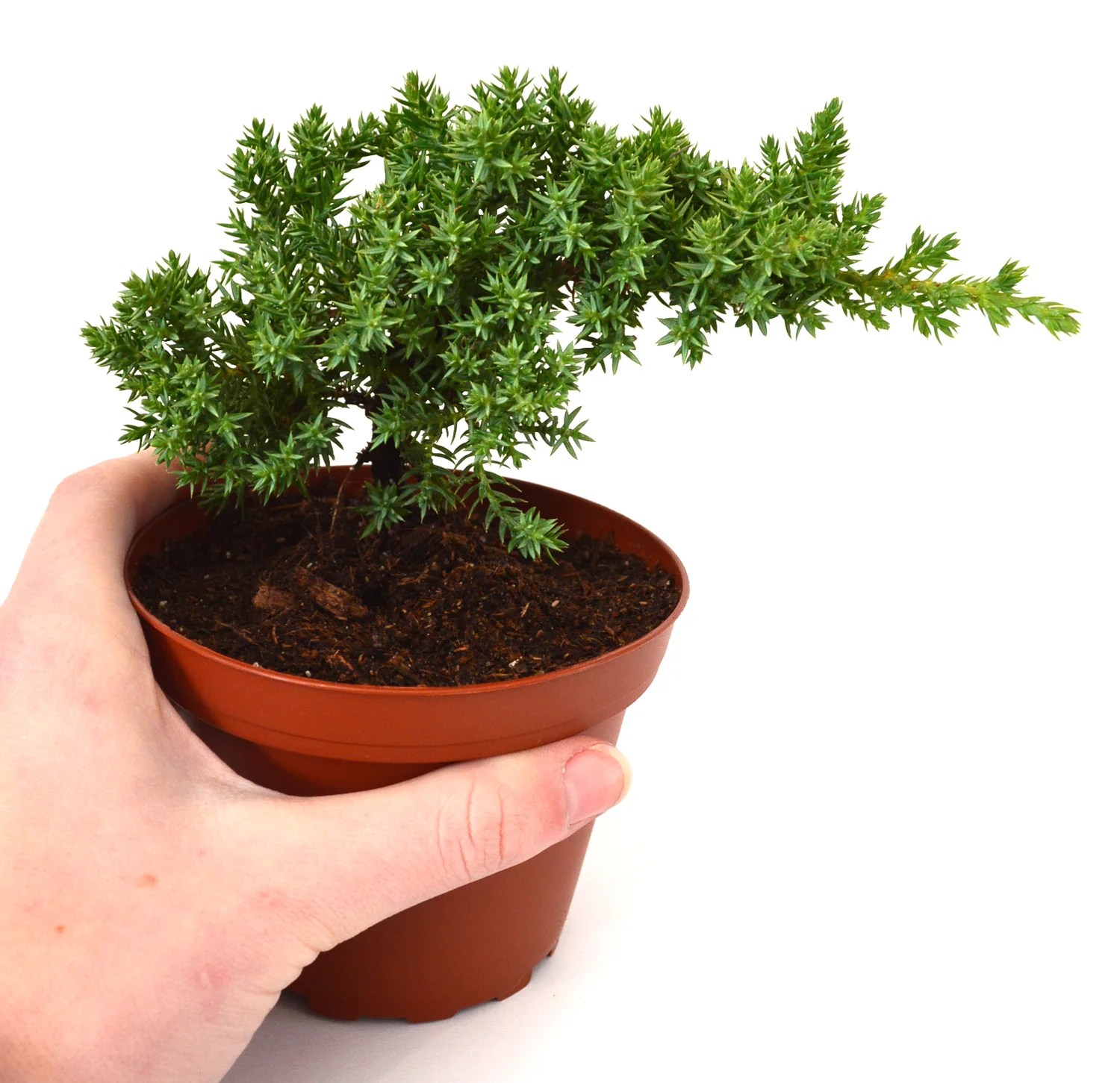
A well-developed more mature Bonsai tree (left) and a very young starter tree (right)

The Advice

The first part would be to gain some knowledge and basic skills and to realise that Bonsai is an art form (https://bonsaiplace.net/2021/10/09/bonsai-culture-styles-and-isms/). One of the earlier blog posts on this website discusses what a Bonsai Curriculum could be like and it is worth reading. That was more written for Bonsai teachers whereas for the person just starting out, the advice will be different.

  • Ensure you understand what Bonsai is and what it is not. The first tree will probably be an under-developed and very young tree in a cost-effective pot with hopefully some care instructions. Whatever you have, it will take commitment and in most cases a daily commitment. It is very much the same as having a pet.
  • Secondly, get some knowledge on basic care. Things like most Bonsai need to be kept outdoors for optimum light conditions. They are trees after-all. Water requirements will depend on the type of tree, the size of the pot, climatic conditions and the soil mix. Nutritional knowledge will come later, but the basics of fertilization should be picked up early on.
  • For most people that will be the end of it, but for those wanting to take it up as a hobby, allow the addiction to flourish and before long, have a collection of trees, you will need some additional knowledge and some practical skills. This is where things like wiring, pruning techniques and repotting skills come in handy. Best at this stage is to join a club or at least regularly catch-up with like-minded people. Videos (see You Tube) will help, but it is still better to spend time with people and talking about your specific trees.
  • Through all of this a sizeable vocabulary will be added to the mix and before long, the starter will move into the intermediate phase where debates about nebari, branch structure (https://bonsaiplace.net/2021/04/26/branch-selection-101/), ramification and soil-medium debates dominate. Not to mention pots. Colors, shapes, sizes, textures and it goes on and on and on.
  • A later but very important part of personal development as a Bonsai artist is to know some of the history and especially some of the philosophical themes attached to Bonsai. That is where you start to understand the difference between Penjing and Bonsai and some of the styles like Literati.

On that last point, there are some golden themes running through all of Bonsai and these mainly relate to the philosophical concepts (Wabi-Sabi) regardless of the structure or style of the tree. It would be wise to get to know these as well. https://bonsaiplace.net/2023/06/17/bonsai-perfection-in-imperfection/

By subscribing (no cost) to this website (https://bonsaiplace.net/), you will have access to updates to help you with acquiring the knowledge and skills and hopefully, the passion to succeed and provide many happy hours with your trees.