

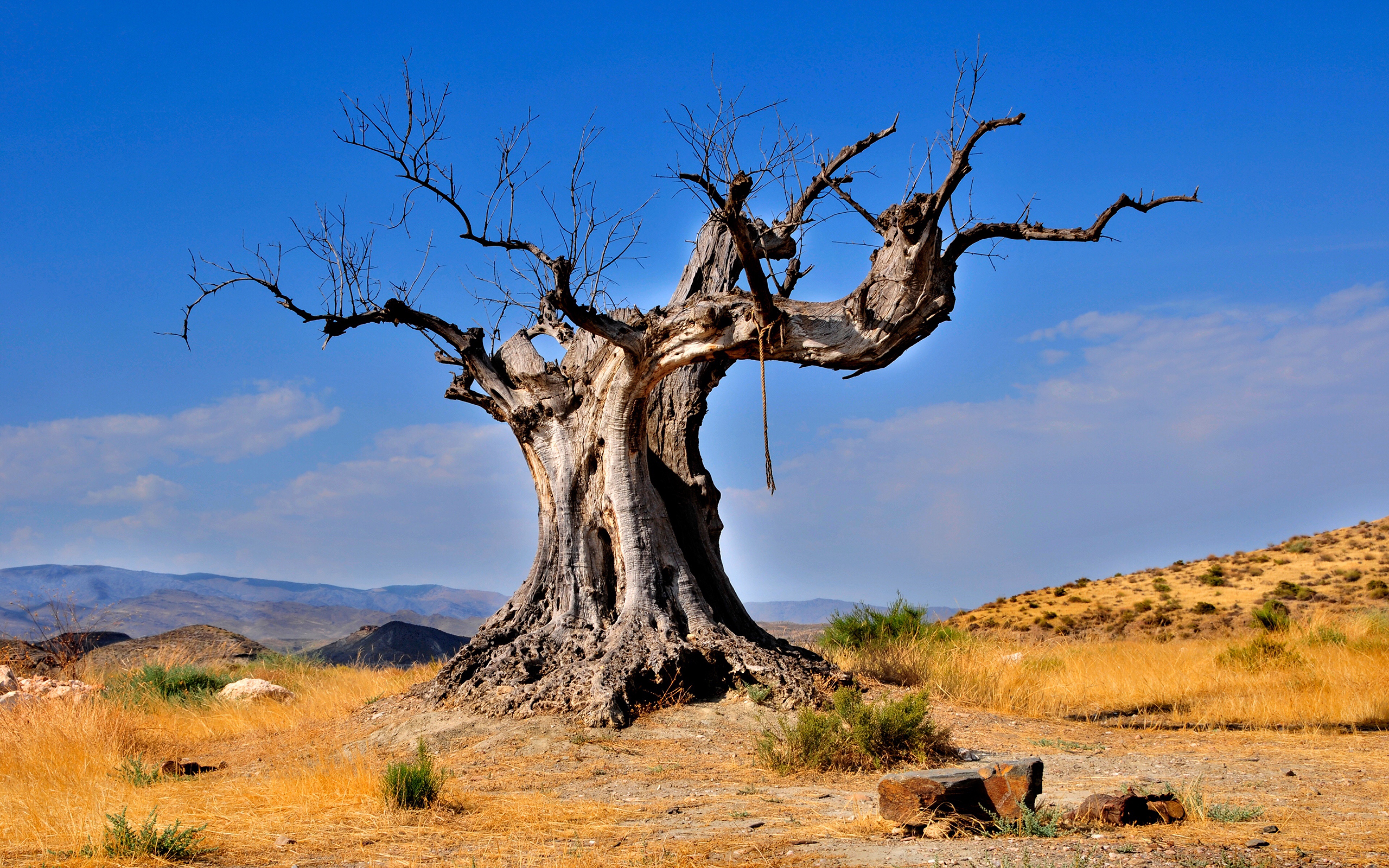
It is a given. You will have a few trees die on your watch. Nobody wants it, but it happens and it is part of the life-death cycle that underpins all living things. We do not kill our trees deliberately and it therefore is important to take note of the things that do increase the chances of this unfortunate event.


Basic Horticulture
This relates to keeping the tree healthy through everyday practices, inclusive of hygiene, watering, light and nutrition requirements.
In my experience watering requirements is the most important of these aspects. Get that wrong and your tree will deteriorate and then just die. This relates to both overwatering as well as too dry conditions. Every tree will have different requirements based on species, soil medium, size and exposure to sun. Study this for each specie, make notes, learn and apply. Overwatering is the dangerous one as it generally leads to root rot and by the time you become aware of this it is too late. Be aware of irrigation systems. A power outage, a flat battery or a broken pipe, all lead to disaster. The best way to water is by hand and by studying each tree and adjust the amount of water to the daily requirements. It is labour intensive, but a safe way to keep your trees alive.
When repotting, pay special attention to the roots. Some species do not handle complete removal of soil well. Check for tangled roots, check for bugs, caterpillars and ants nests in the soil at this time.
Seasonal and Climate requirements
At the time of writing this, it is winter in New Zealand and after quite a dry period, it has now been raining for three days solidly and the temperature has dropped into single digits in places. Irrigation systems are now turned off and the focus now shifts from preventing trees from drying out to ensure they do not drown. Half of my trees now have pots at an angle to allow water to run off, rather than sit in the pot. Back to basic horticulture as your soil medium and its drainage ability now plays a big role in keeping trees healthy and alive.
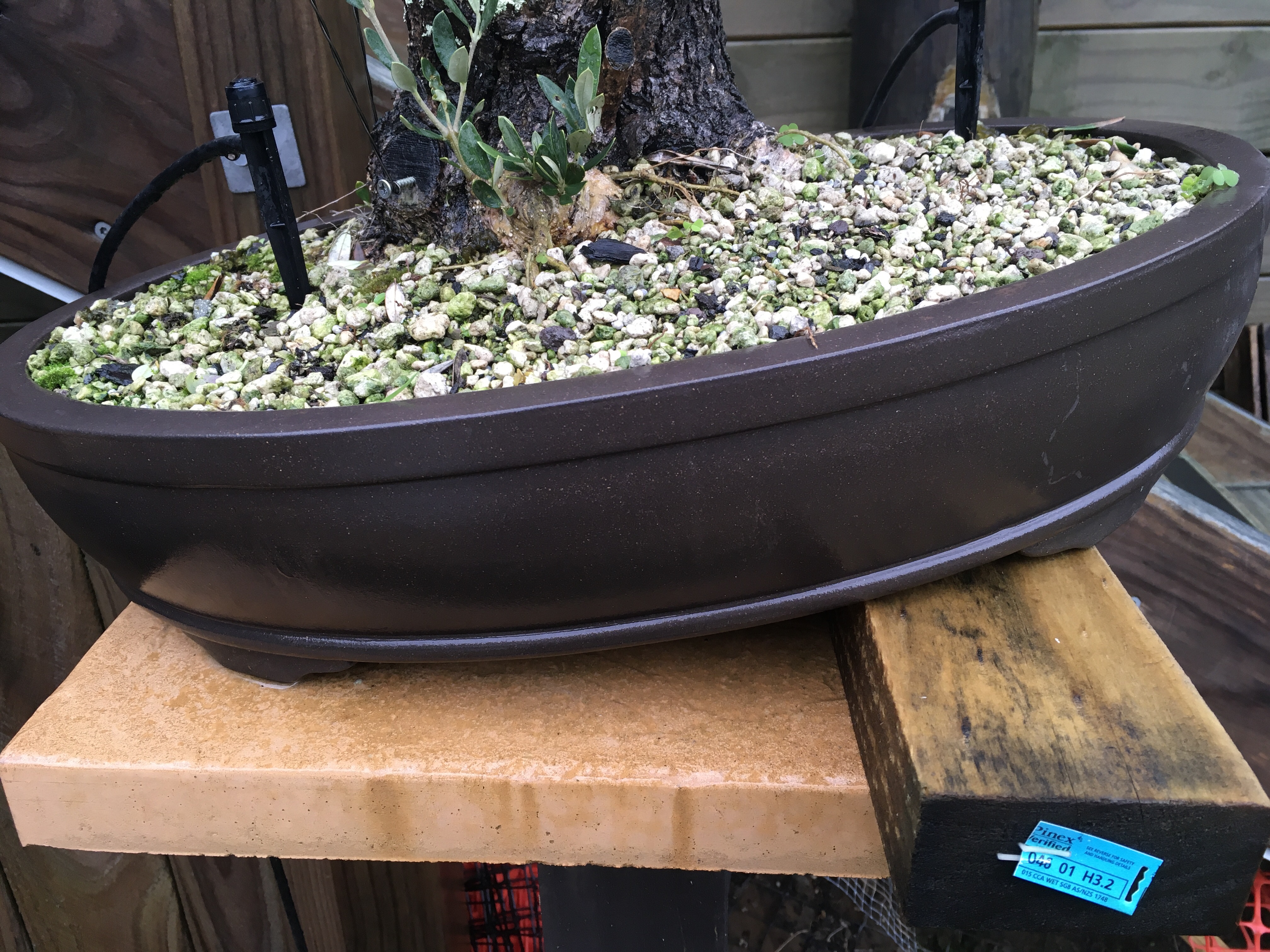

I have mentioned temperature and the accompanying conditions now come into play as well. Snow can actually insulate trees, but frost is just nasty. Your local climate and specific species will dictate if a tree needs to be under cover or not. Frost has killed many a tree. Very harsh high temperatures, accompanied with little to now sun protection and not enough water will kill trees. Take note of your pot and soil temperatures. The pot construction, size and colour can have an effect on the temperature inside the pot. Two pots next to each other can have very different temperatures.
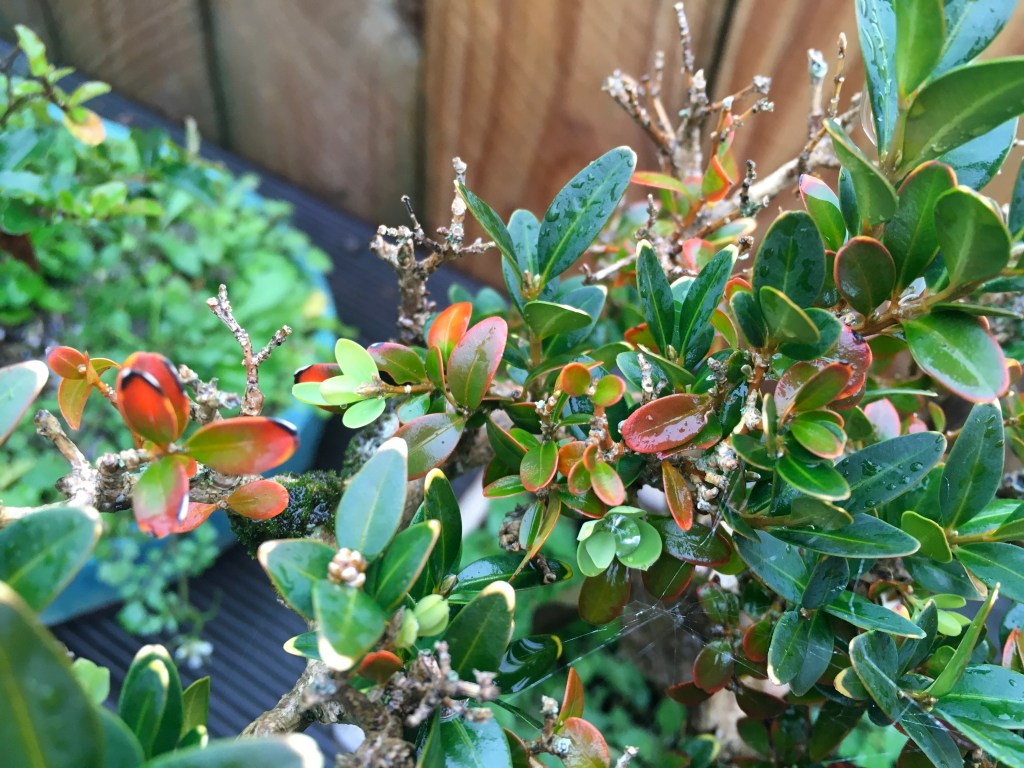
Be careful when bringing plants inside, especially non-dormant trees. I have seen and heard of many trees that just did not like artificial heating systems, wood fire burners and even being cooked on a window sill, resulting in the tree ending up on the compost heap.
Light requirement of a tree is a big one. Suitable species for sunny areas are Celtis, Junipers, Chinese Elms, Cotoneaster, most Pine species, Holly, pyracantha and others. For a more shady aspect look at Azalea, Maples, Beech, Zelkova and others. Acclimatisation plays a big role here. You can gently and over time get some species to tolerate a wider range of light and temperatures if your care is spot on. Generally, if you get this wrong, a tree will deteriorate over time and if not corrected will say goodbye.


Overworking
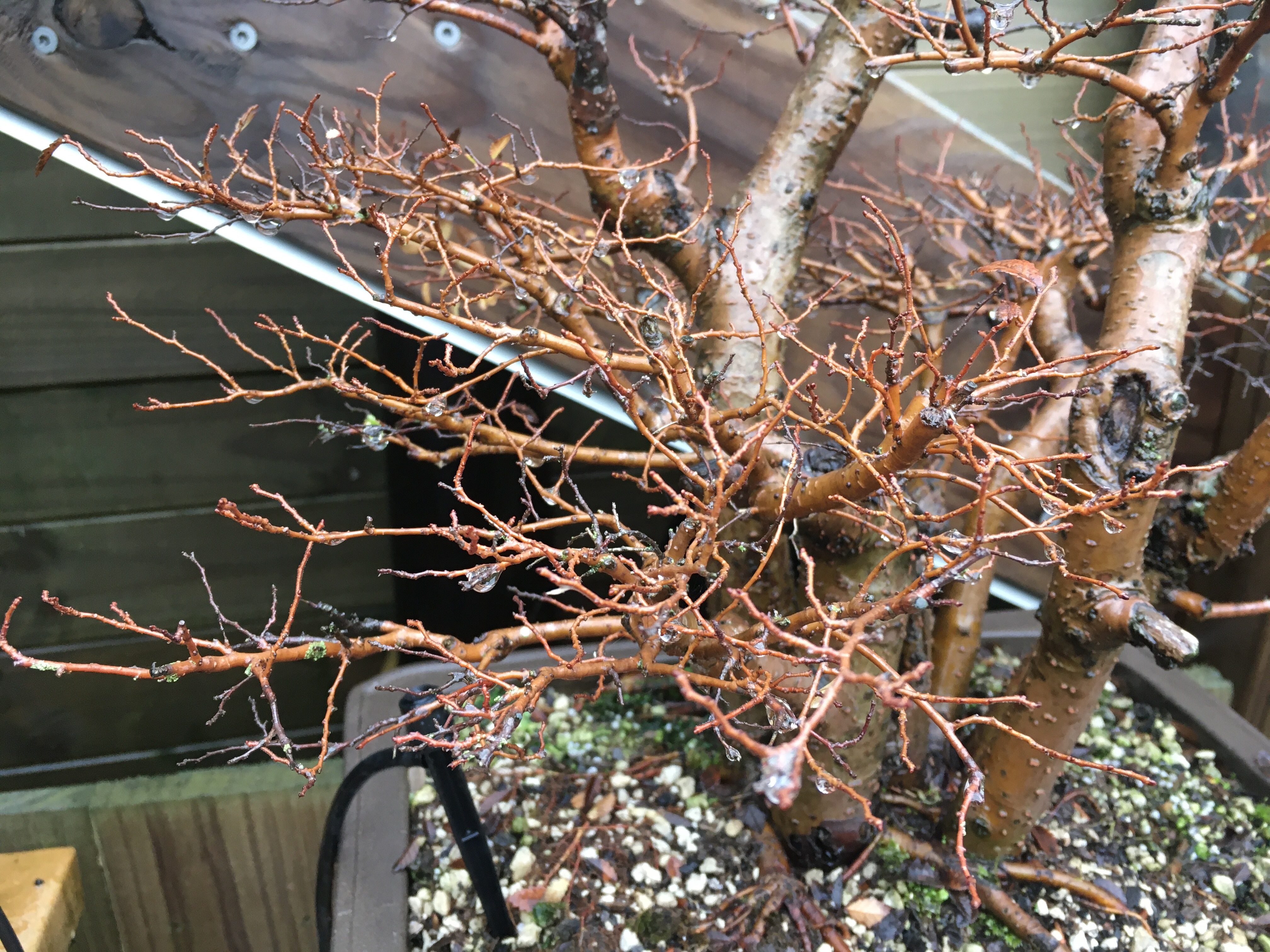
This is not just a beginners issue. Many a tree has succumbed to being overworked. The safe mantra here is do little bits of work more often, rather than massive root work at the same time as huge pruning and styling jobs. This goes with seasonal changes as well. Certain things, like defoliation, should take place at a specific time of year. Same for root work and repotting. It could be different for different species. Study, learn and apply.
Diseases and Pests
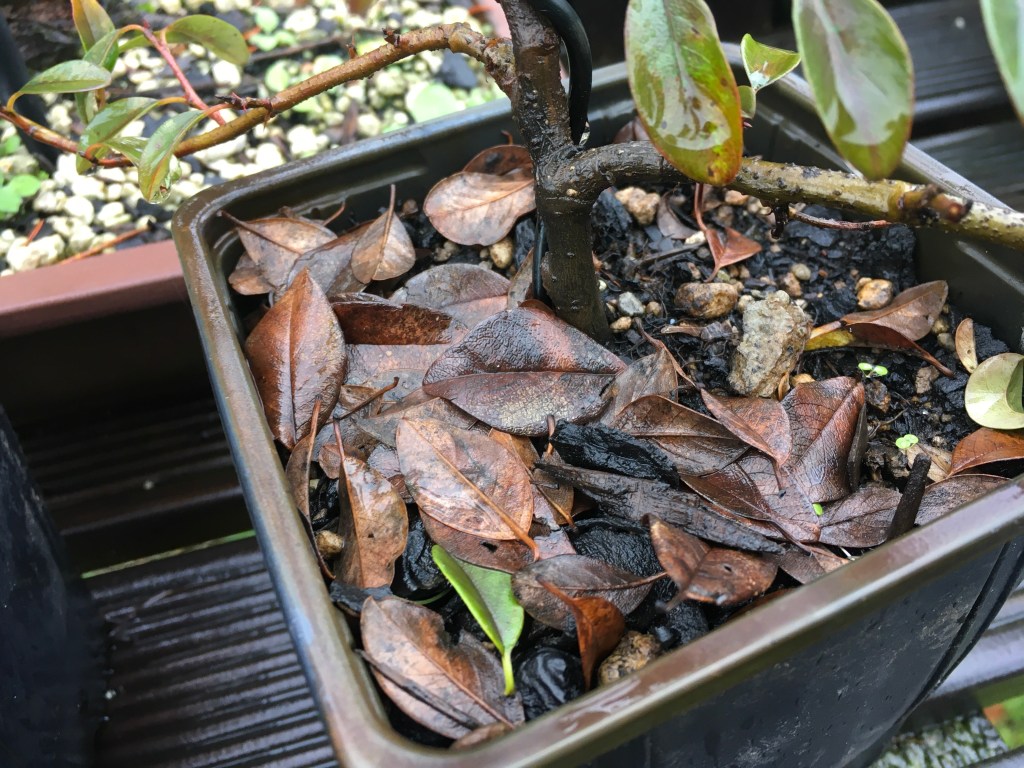
That is self-explanatory. The best is to use preventative methods to stop disease and pests from getting to your trees. This could include preventative sprays, either organic or not. That depends on your philosophy, but either way, keep an eye out for tell tale signs. Things like ants can point to aphids, sooty mould and other issues. Yellowing and spots on leaves, droppings of bugs and caterpillars, chew marks on leaves, sudden leave drop, are all signs of things going wrong. Keep an eye out and this can easily be combined with your daily watering routine. A big part of prevention is basic hygiene around your trees. Get rid of fallen leaves, clean underneath your benches and check the undersides of pots. Many an issue can be prevented by just cleaning often.
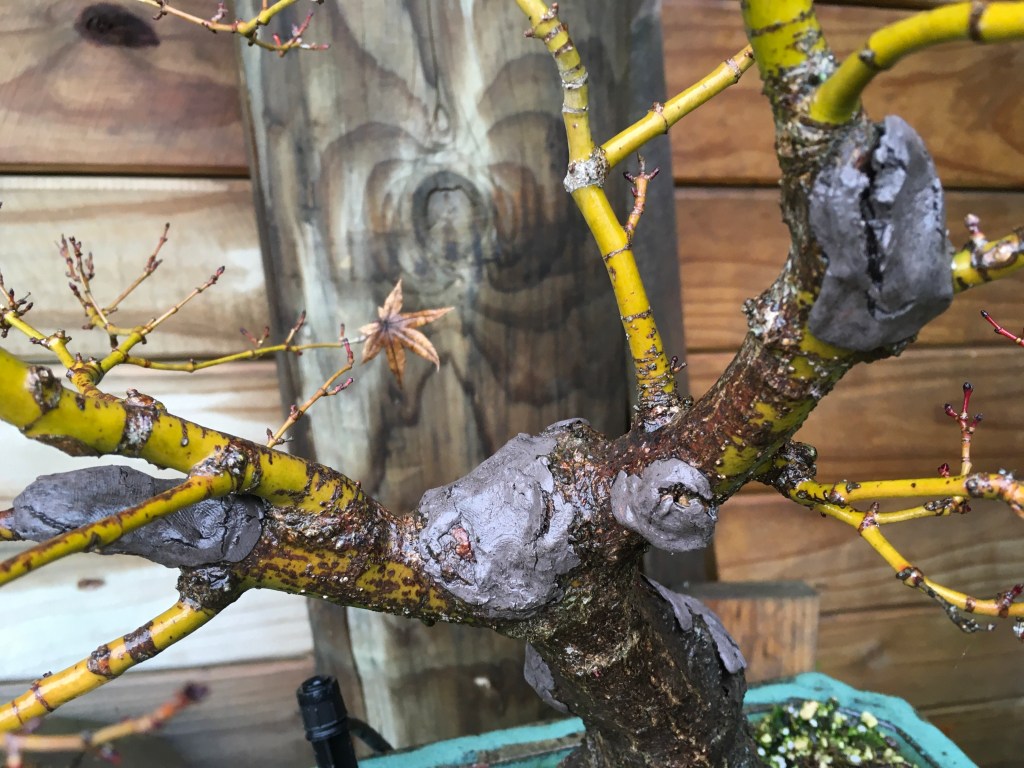
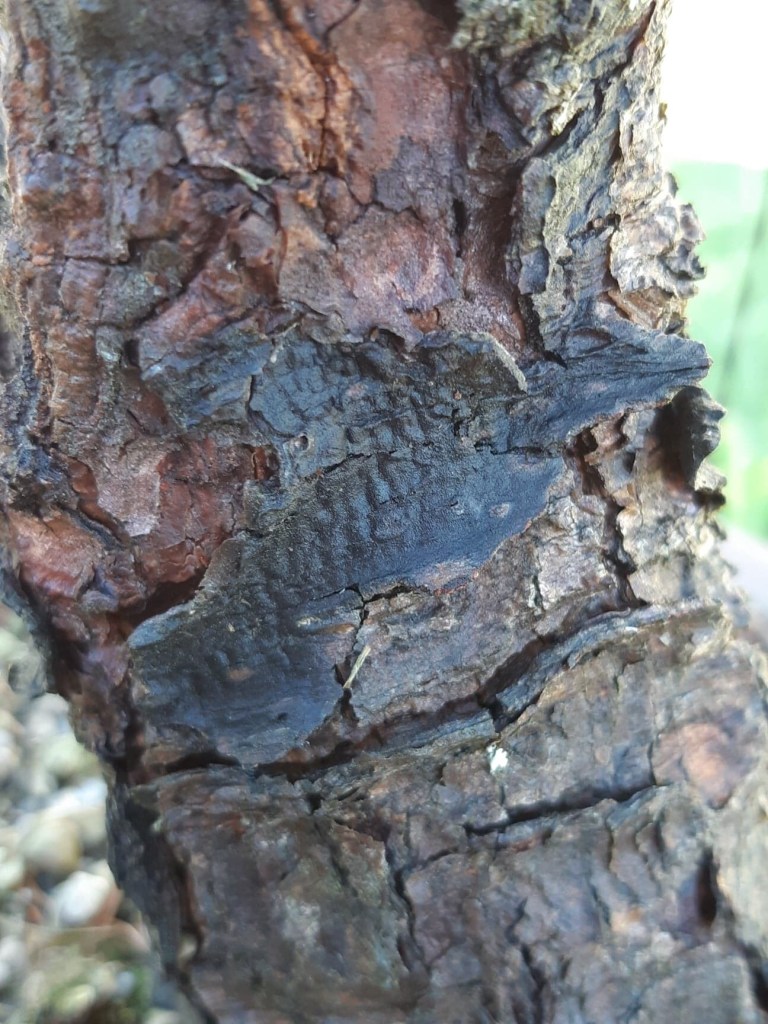
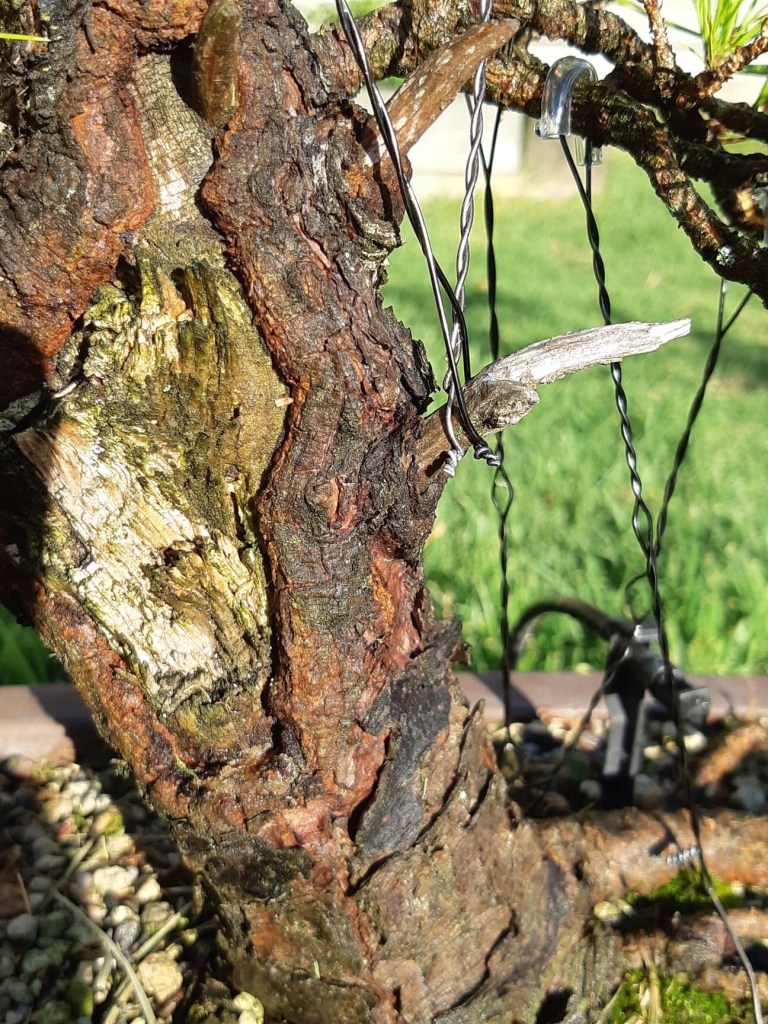
Seal wounds, tie trees down in pots when repotting, check old wounds, look for new holes in the trunk, marks like ring barking and especially underneath the leaves.
Summary
This is just a snapshot of things that can go wrong and is not intended to scare or put Bonsai enthusiasts off, just a reminder that a Bonsai tree is like having a pet. The tree has basic requirements and if these are not taken care of, it will deteriorate and can then die as a result of neglect or just not being bale to pick up on adverse things early enough. The solution is to arm yourself with knowledge, practice the skills involved in keeping a tree alive and constantly take great care of your trees.
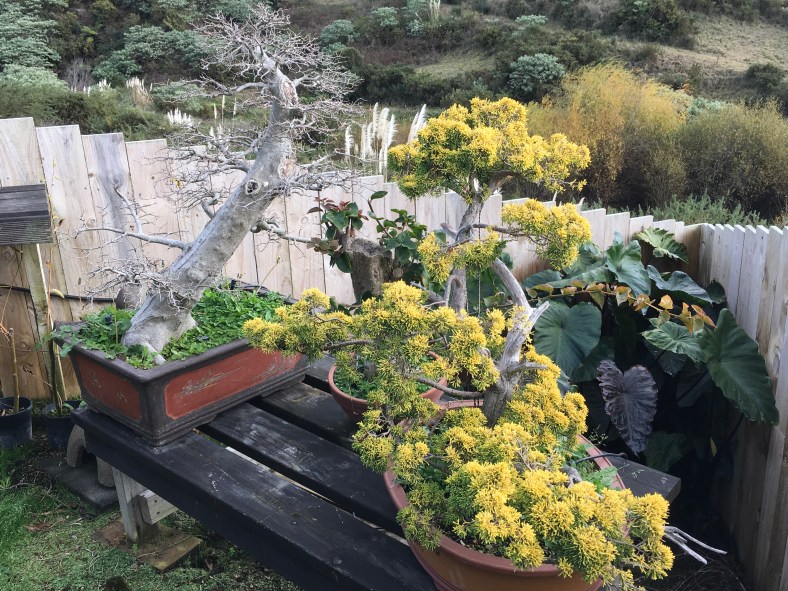













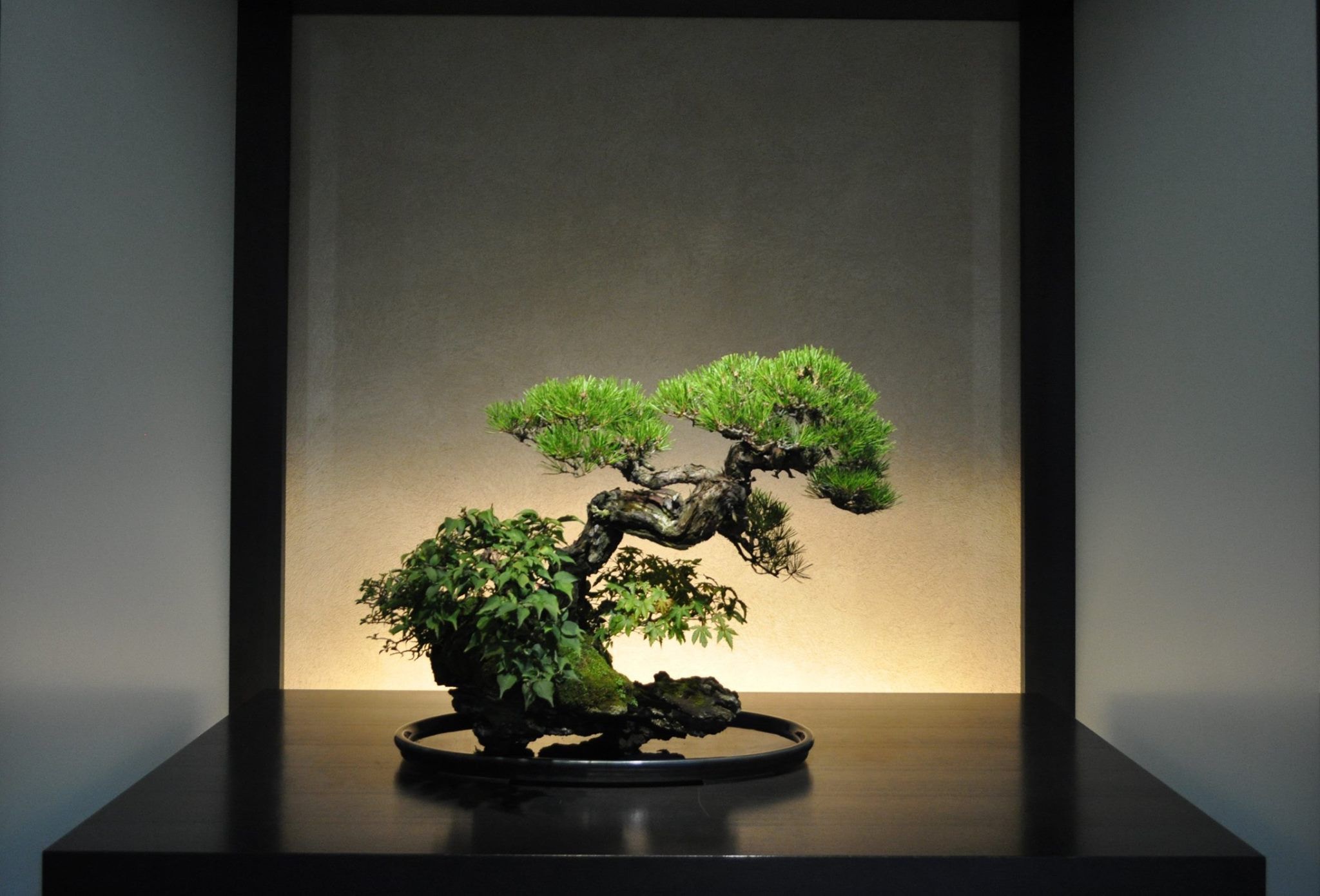


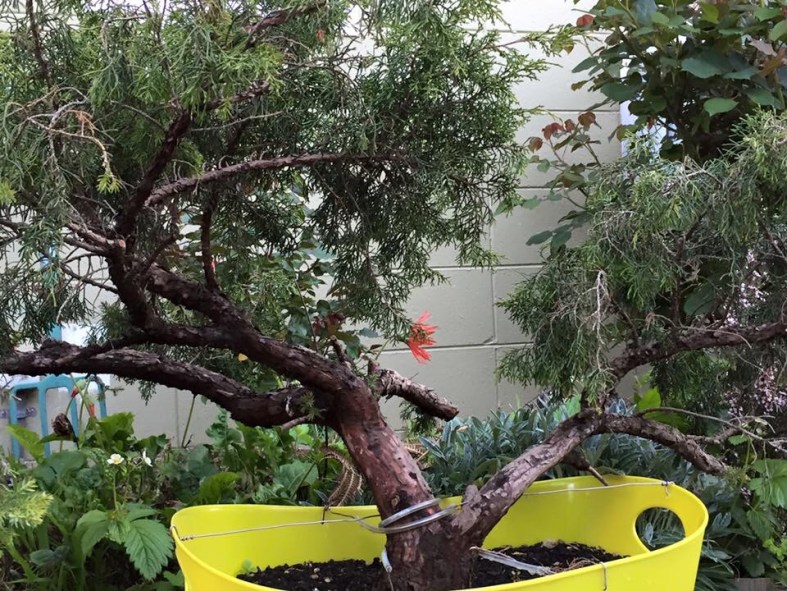

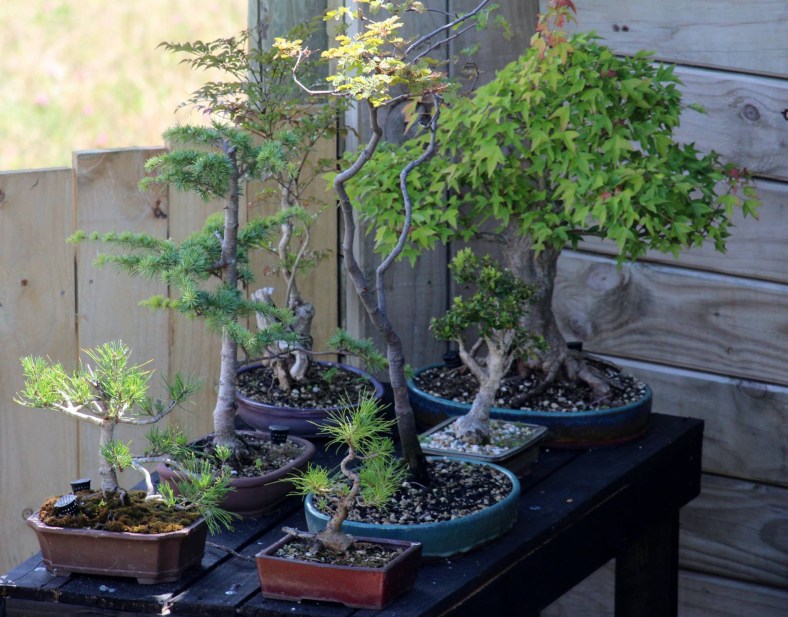
 I love watching Bonsai demonstrations, whether it be live or on You Tube. The quick transformations, the inspiration, the magnificent material that these artists work with, it is pure drama, pure theatre.

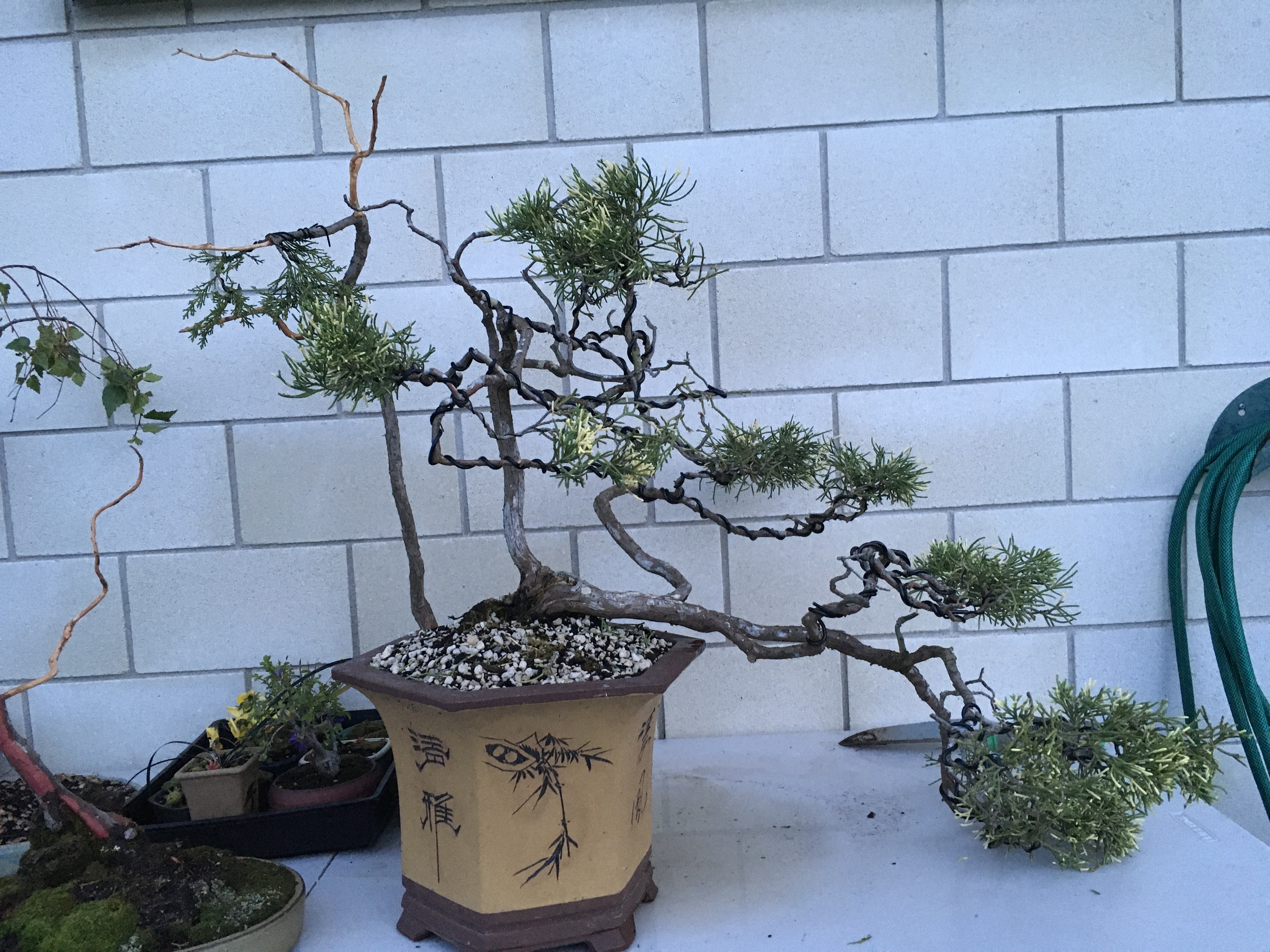
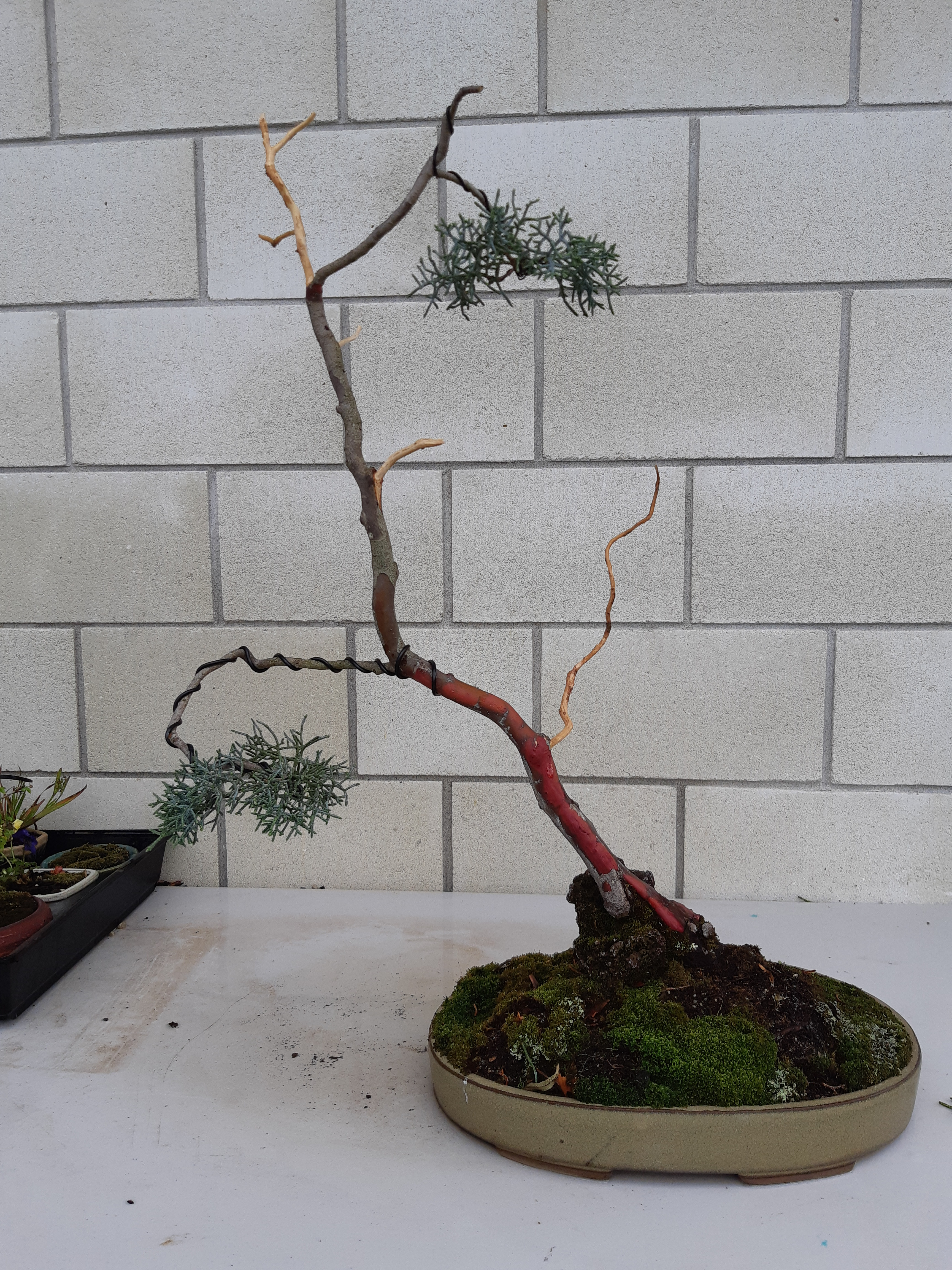
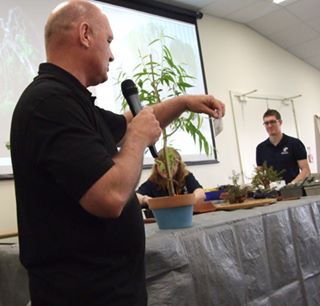


 therefore important to be in touch with the sources of our inspiration. I have recently returned from a conference relating to Education where I was exposed to a variety of speakers. I was very aware that during and immediately after the conference, I was definitely more motivated to work on certain things in my main job. This came from listening to these powerful speakers and becoming aware of the latest trends in my vocation. This is the same for my Bonsai activities.
 Exposure to other Bonsai people will lead to higher levels of inspiration and motivation. I live in an area in New Zealand where there are not that many other Bonsai enthusiasts and you sometimes do feel isolated. To overcome this, I have to make an effort to meet up with other Bonsai people. The local club, although very small, serves as a source of inspiration. I am the teacher here and other people rely on me for the advancement of their skills and knowledge. This places me in a position where I have to stay on top of my game. Through this I have also realised that I only know about the tip of the iceberg and that I need to learn as well. Again it comes back to people, as I can only get this knowledge and skills from others who are more advanced than me, or have produced resources that I can learn from. So, first of all people.
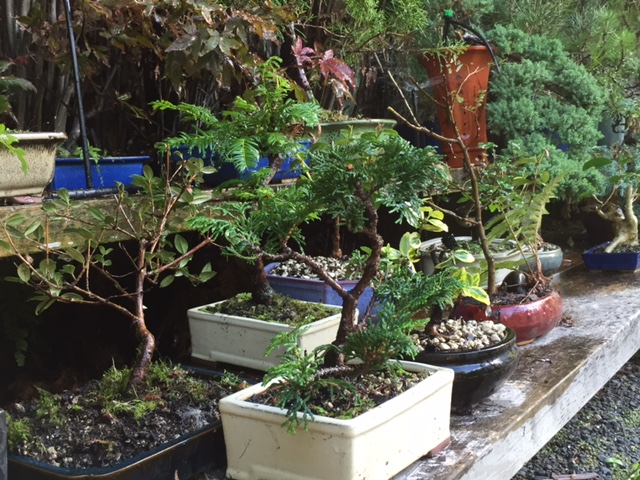 to learn or practice. I like the way that a lot of martial arts movements are set up. There is a clear line to follow from beginner level through to a very advanced level. I am not saying that we have to start different colour belts to show our proficiency in Bonsai, but the levels of training can be copied. A sensei at one dojo always learns from a more advanced practitioner somewhere else. This means you either have to go places or you have to get the masters to your place. This is already happening in Bonsai throughout the world and this has opened up many more opportunities for Bonsai professionals. As a side note, I do use the term Bonsai professional in a different context to Bonsai master. Not all professionals are masters and not all masters are professionals. More on this in later blogs. Back to the main thread of this blog. Where do we get inspiration from to excell in Bonsai activities? I have already established that it is mainly through the exposure to other people and preferably to more advanced practitioners. That means that you have to be a regular club member, be active in this club and teach at that level. The next step is to align yourself to an organisation or club where more advanced teaching takes place. From there it is important to attend shows, regional and national and even international teaching opportunities. Displaying your own trees is a big part of this. Immense growth takes place when you receive feedback from visiting judges once you get over the fact that you might get some negative input as well. Good teachers will make sure that this feedback is constructive and you can learn much from that. Just leave your ego at the door when you go into this type of situation, after-all, there is no ego in Bonsai as an art form.
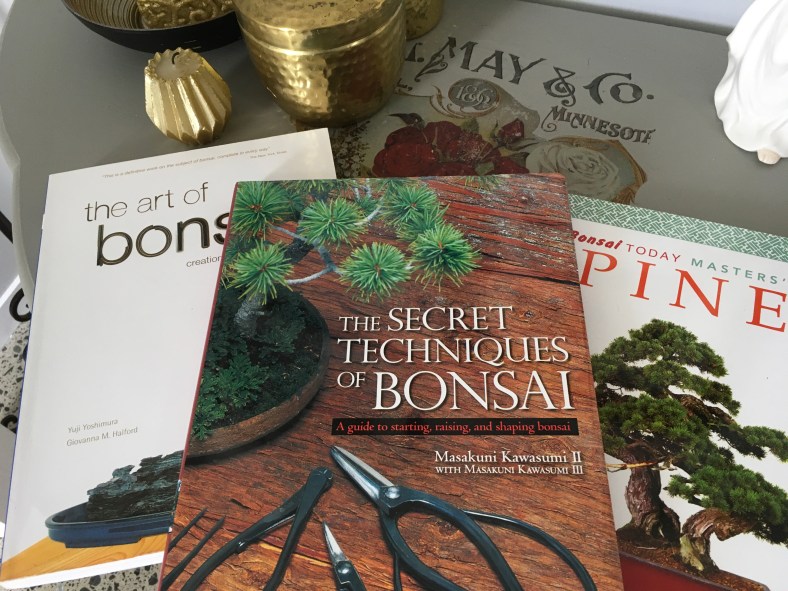
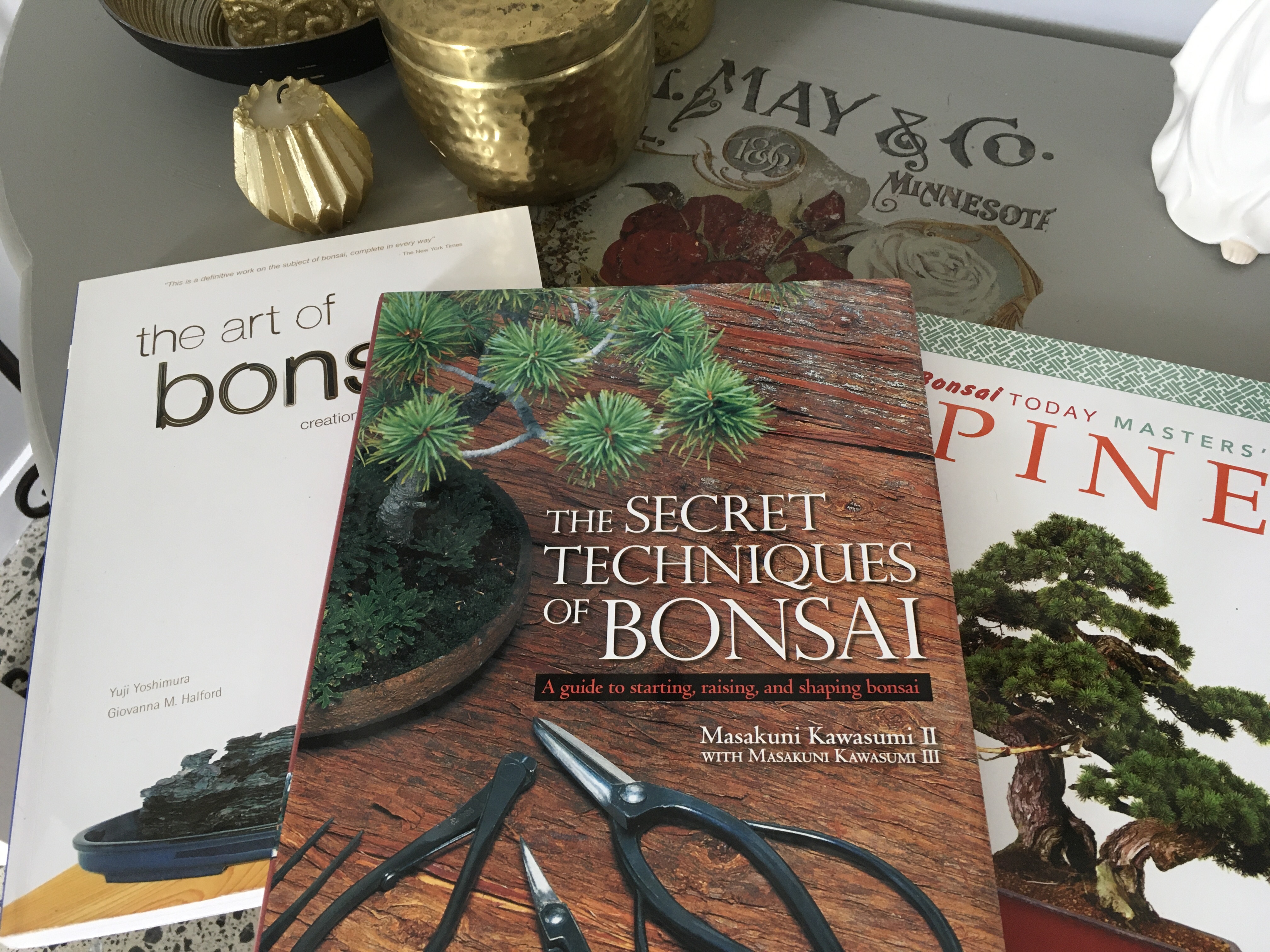
 Other forms of inspiration comes from man made resources. I find a lot of inspiration in my very large Bonsai library (wonder what the total cost of this is), which consists of books and many magazines. I currently hold a subscription to two international magazines and also receive our national production on a regular basis. Books come through online bookshops and I am now also in the fortunate position that I receive books from publishers and authors to review. Magazines keep me up to date with what is happening in the Bonsai world and brings the latest shows into my living room.
 good quality channels and people who regularly post new material and from which I learn heaps. Just type Bonsai in the search area and you will find a great resources at your fingertips. While I am on internet based things, Facebook is exploding around Bonsai matters (probably lots of other things as well). One needs to be disciplined when you venture into this mosh pit of activity. Not everyone who has a presence here are noteworthy, but most of the “big” names in Bonsai are represented here.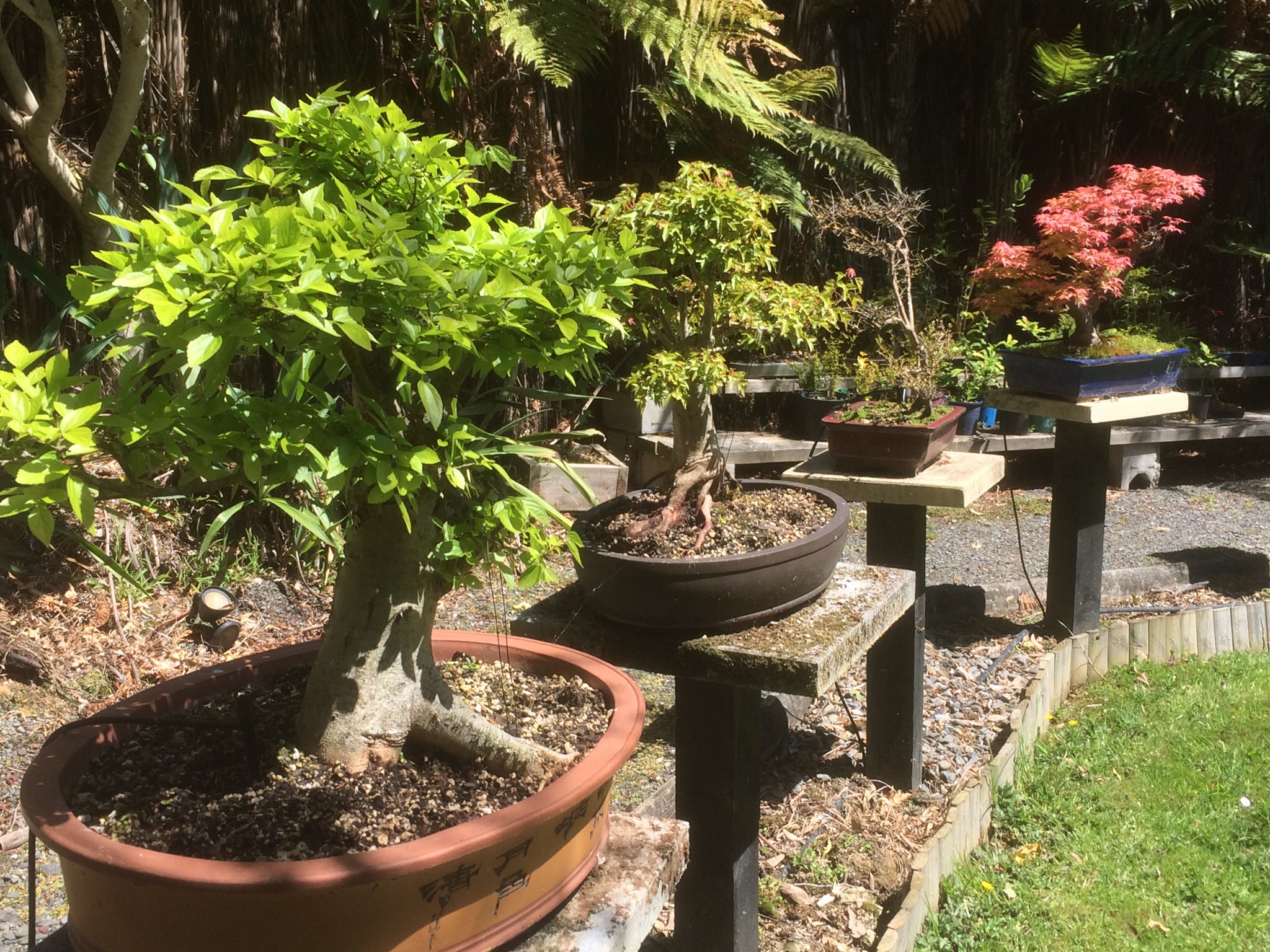
 Bonsaiplace