Bonsai Perfection in Imperfection

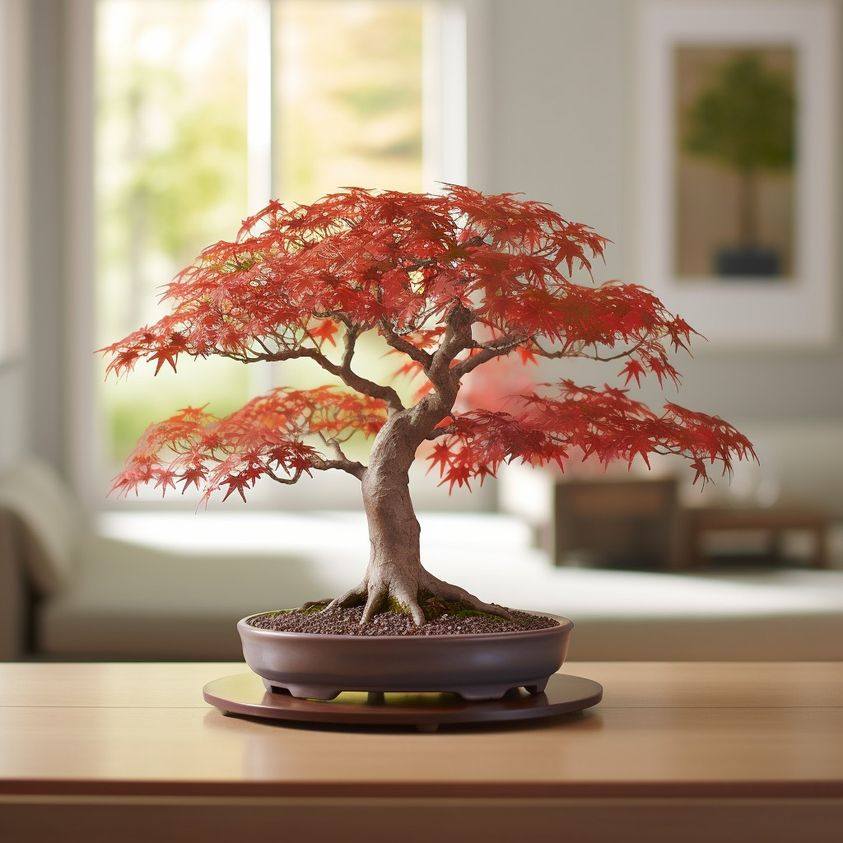
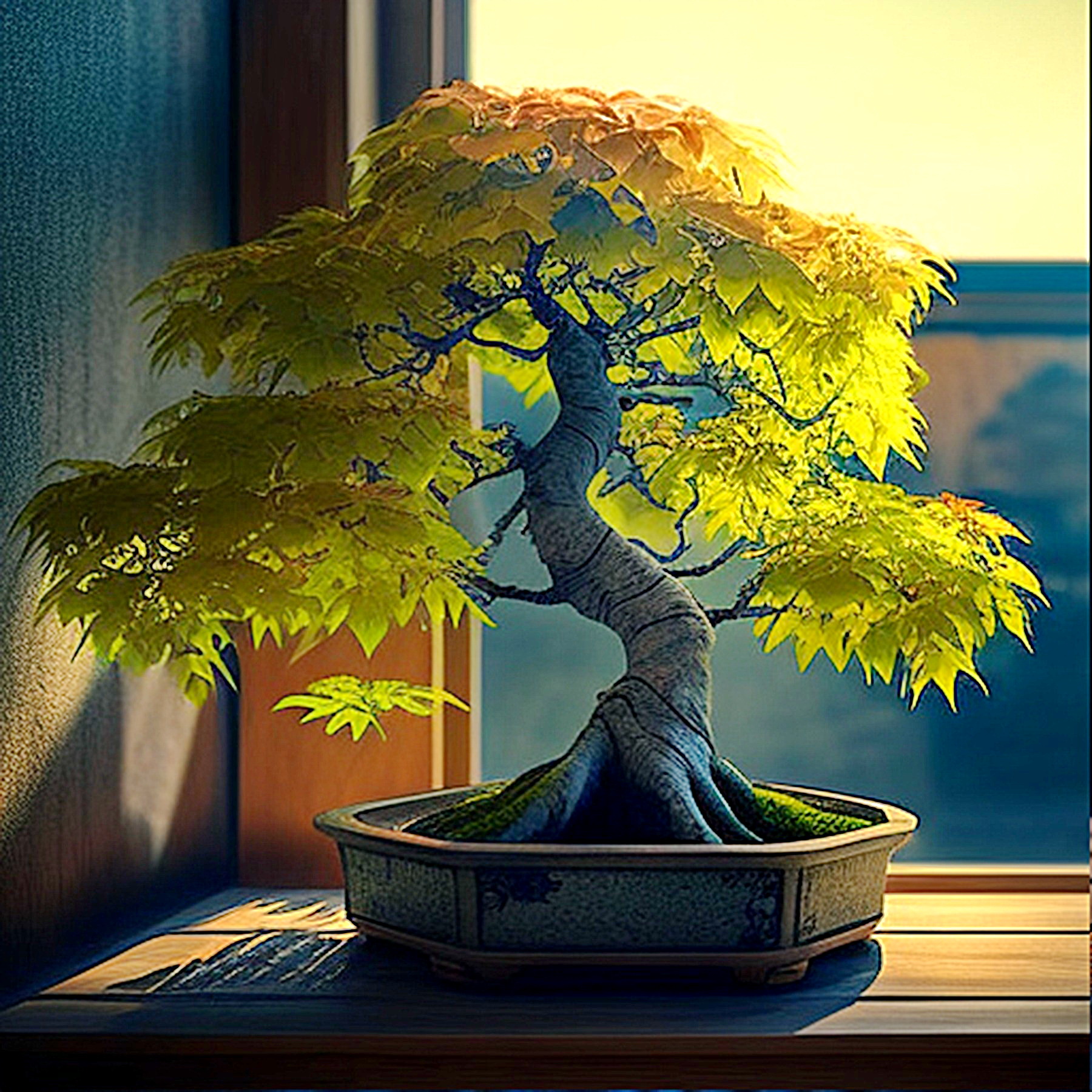
A Bonsai friend recently commented on a social media post showing an AI-generated image of a Bonsai tree that it was too perfect and that it does not display the characteristics of true Bonsai identified through the concept of Wabi-sabi. This is not the first time that I am writing about Wabi-sabi, but in this blog I would like to dig a little bit deeper into the concept and then apply it to Bonsai. I would specifically like to explore the concept of Perfection in Imperfection, one of the meanings of Wabi-sabi.
Let’s recap quickly on what Wabi-sabi means. According to Wikipedia (Wikipedia link), the term refers to a world-view focused on the acceptance of transience and imperfection. It is at times described as appreciating beauty that is imperfect, impermanent and incomplete in nature. Further on it is quoted stating that “from an engineering or design point of view, wabi may be interpreted as the imperfect quality of any object, due to inevitable limitations in design and construction/manufacture especially with respect to unpredictable or changing usage conditions; in this instance, sabi could be interpreted as the aspect of imperfect reliability, or the limited mortality of any object, hence the phonological and etymological connection with the Japanese word sabi“.

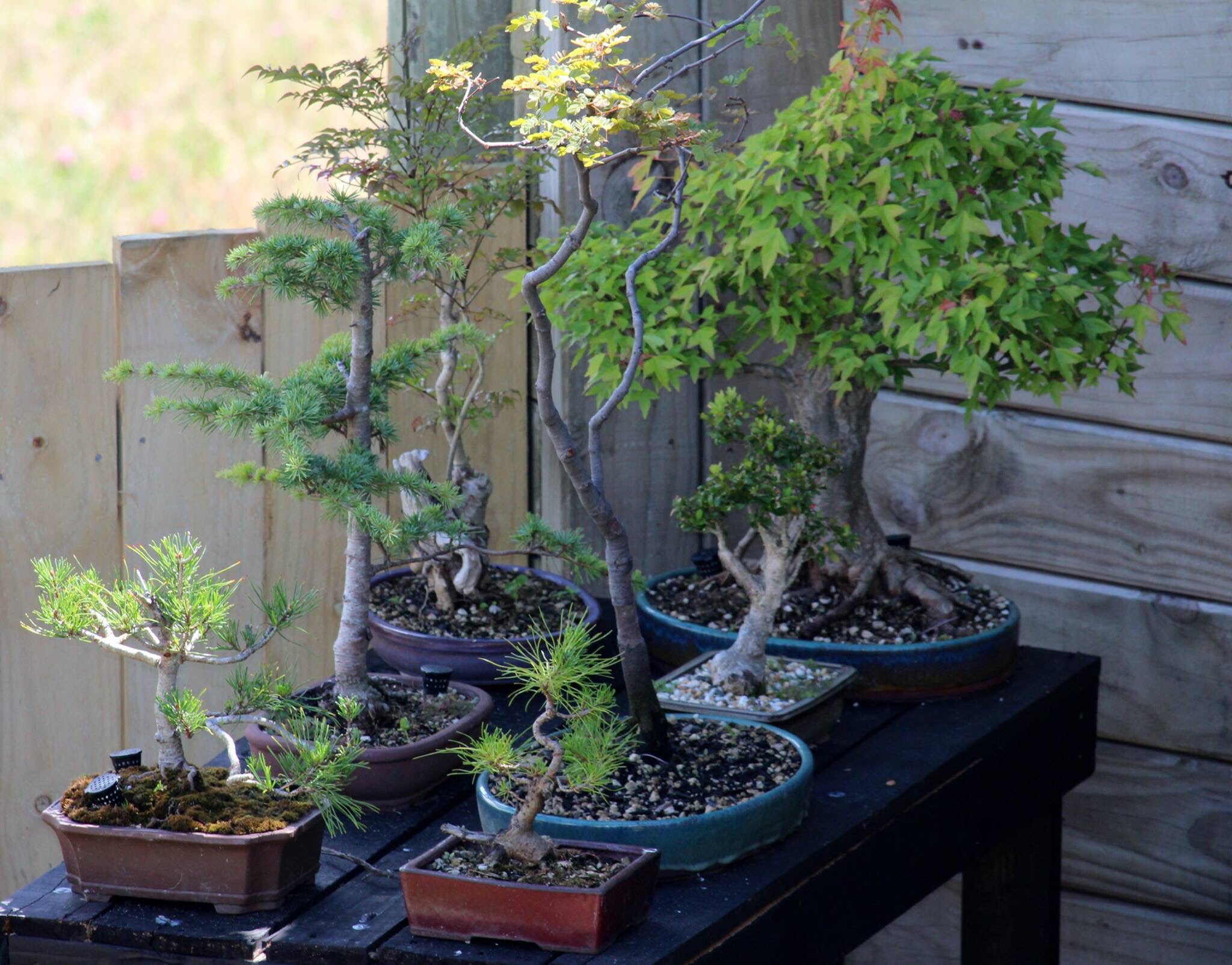
This takes us to Bonsai as a living art form, one that is never finished, one that is constantly changing due to nature and the hand of humans impacting on its growth, design and health. It is not just the tree itself, but it can also incorporate the elements making up a traditional display, the pot, the soil cover, the stand, the accompanying plantings and then also the scroll or art work in the background. The paragraph above mentions the limitations in design as one example of impact. When it comes to Bonsai there are many others.

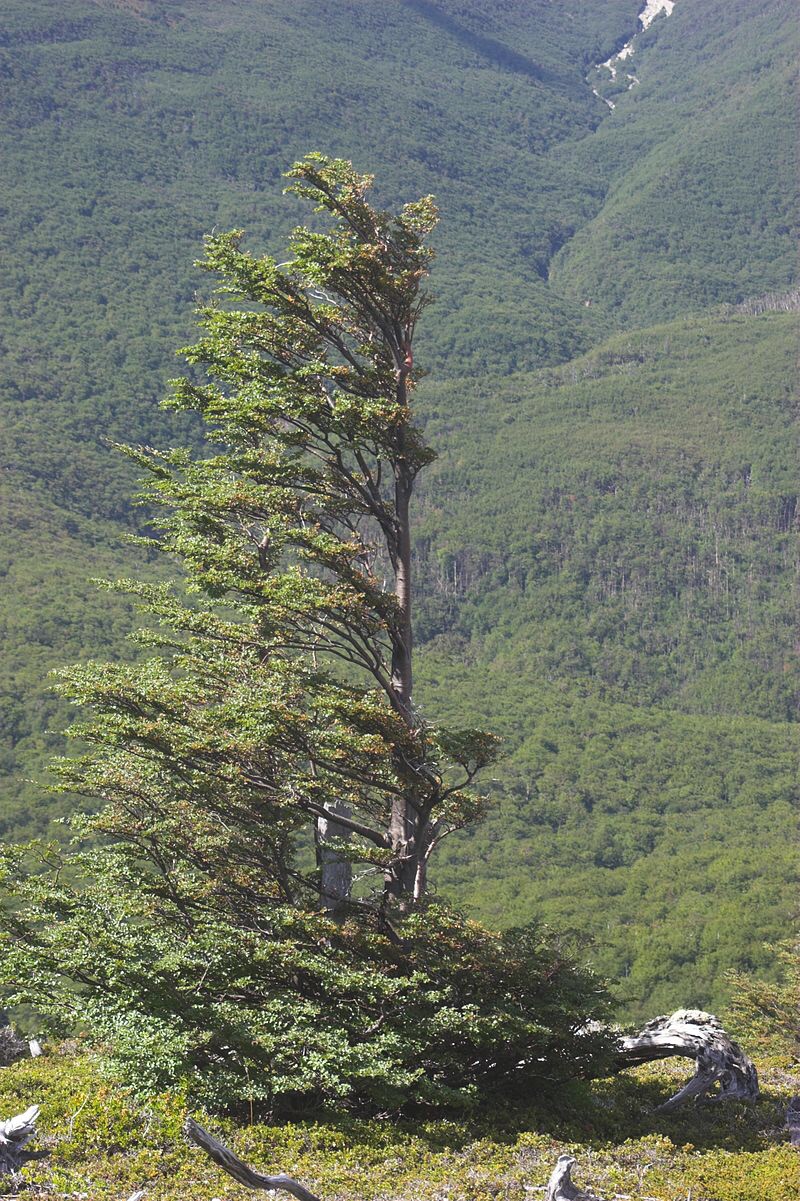
Not everything can be controlled when it comes to Bonsai cultivation. When a tree is harvested from nature, there will no doubt be imperfections caused by insect or mechanical damage, the direction of growth and the effect of wind, snow, animals, substrate and sun. This needs to be incorporated into the design and these features, if managed correctly, will become part of the tree’s aesthetic, its character and be part of the tree’s story. These imperfections add to its history, its aura and a kind of spiritual presence that cannot come from a “perfect” tree.

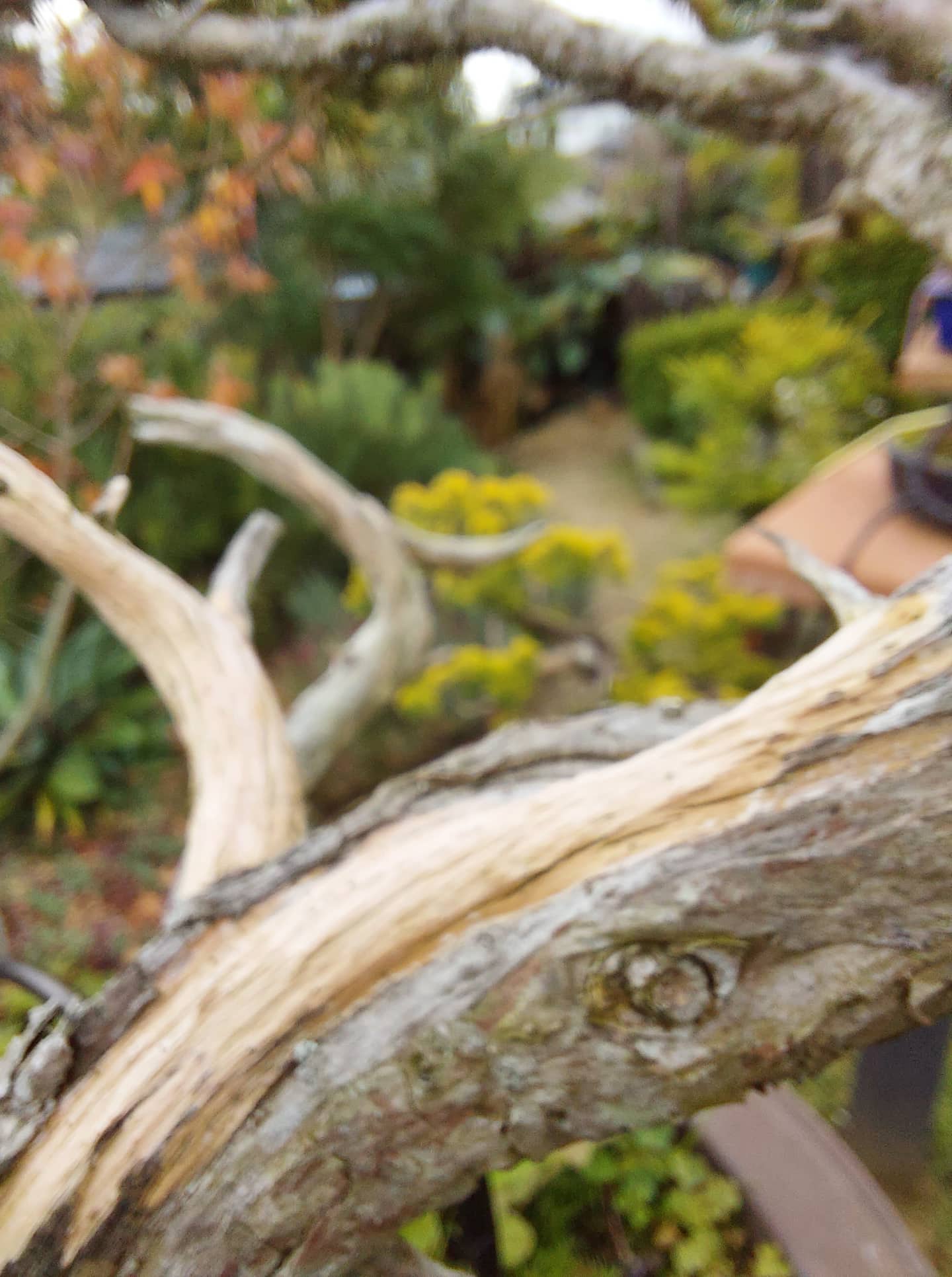
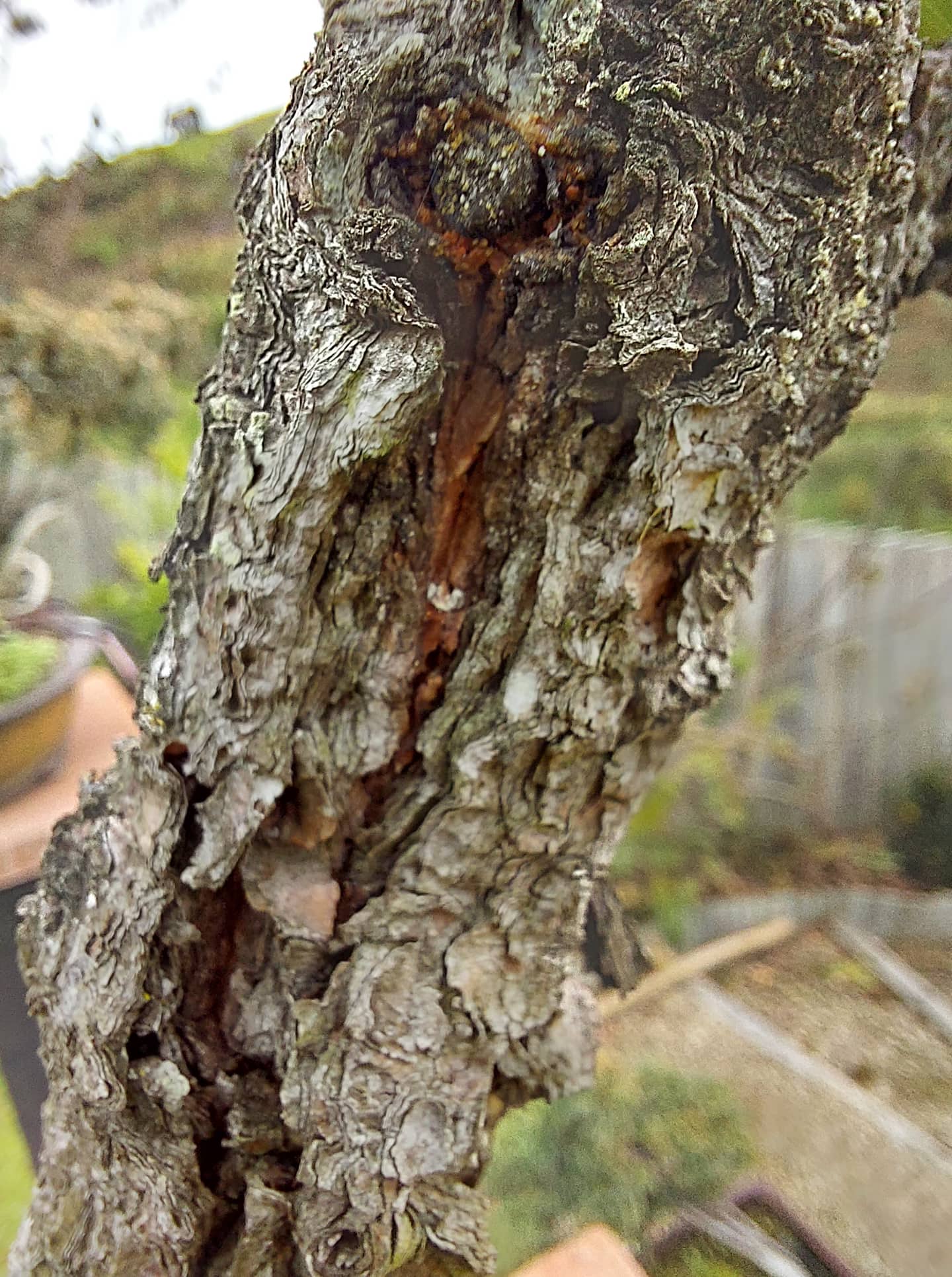
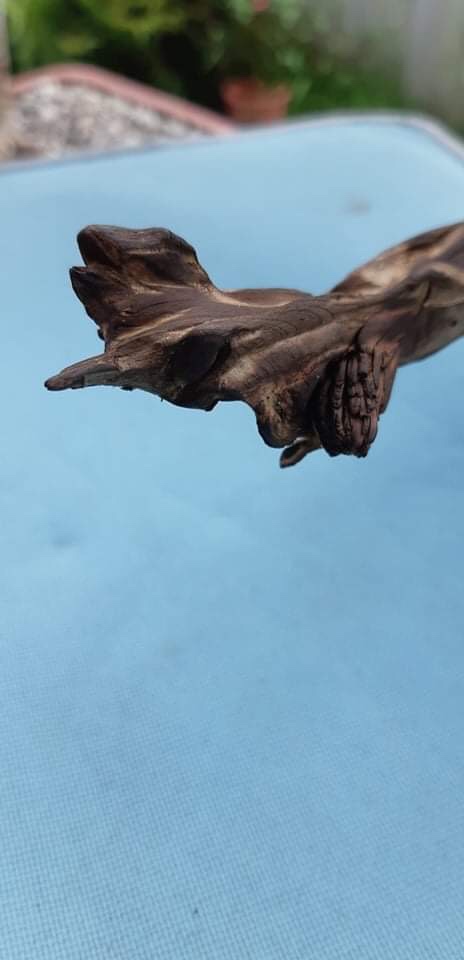
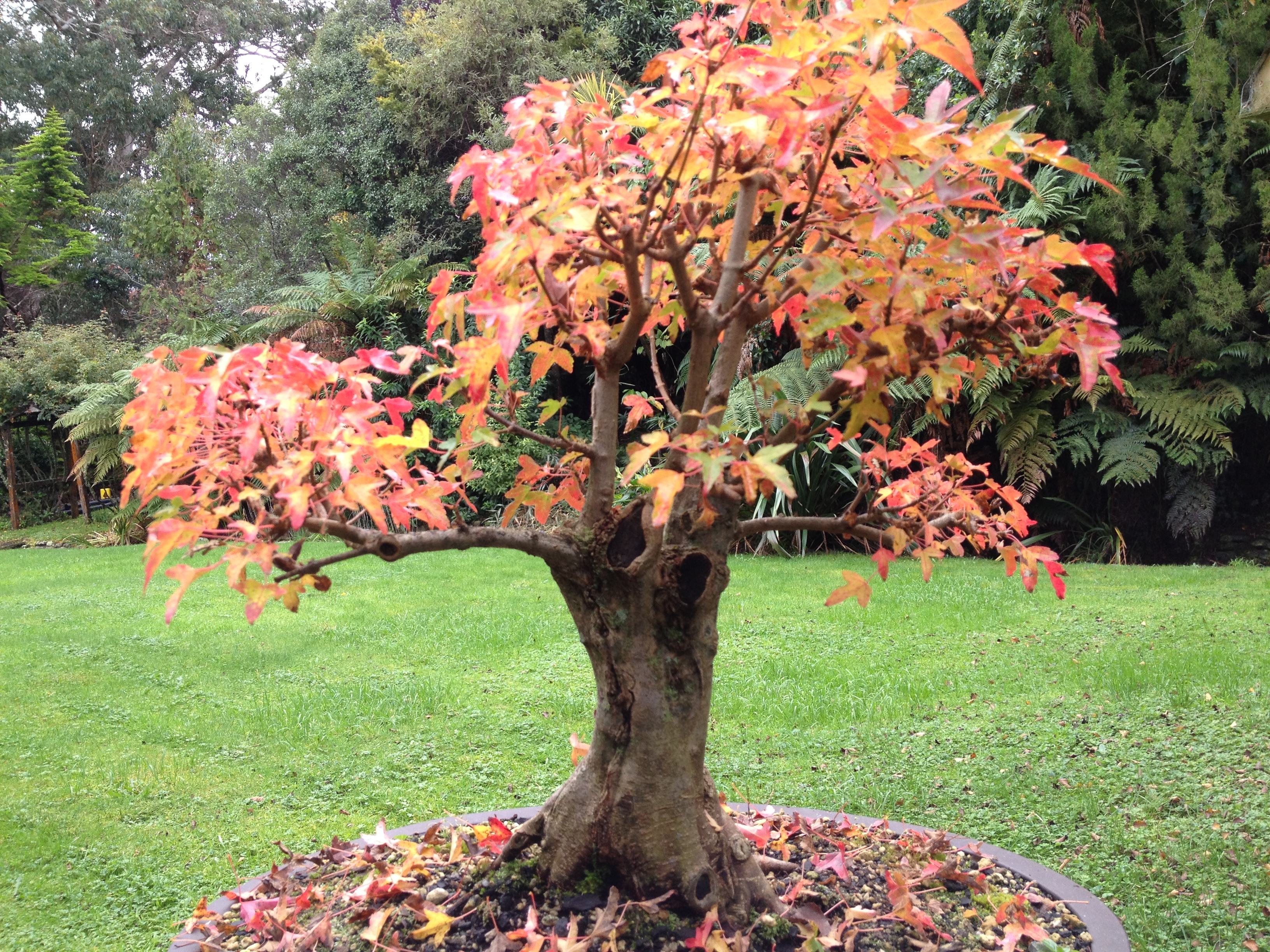
Another natural example illustrating this concept, is the changing nature of the art work. The colour changes due to seasonal changes, the appearance of flowers and fruit, and then these disappearing again. It is seen in deciduous trees through being cloaked in leaves during the warmer months and then being bare during the colder months. Development of bark (craggy, flaky), fissures, Jin, Shari and Uro are all examples of natural imperfections that adds to the aesthetic of the tree, showing the beauty through these imperfections, making it perfect.

The paragraph above mentioned things that can occur naturally and some of those and others can be done by human hand. The artist can purposefully create some imperfections in line with the characteristic of the tree to add beauty through these imperfections. Here we are thinking about jin, shari and uro, but then there is also the way in which the tree is displayed. Is the position in the pot off-set or in the middle, the style of the tree plays a leading part in this. Yes, we try to match the style of the tree with the pot, size, shape and colour, but is is very rare to get all of these elements to align perfectly. On top of that you will always have different opinions on shapes, size, colour of pots as well as the general flow of the tree in relation to the pot. We try to provide one picture, one whole, but on closer inspection, the “flaws” will be there. Are they flaws, no, they are imperfections, all adding up to the complete picture being perfect. And then the tree grows ……!

Simplicity is the goal in every art.

I do believe that there are concepts in any art form that are universal. With that believe, I also explore other art forms for inspiration, ideas and motivation as well as skills and knowledge. I have recently embarked on trying to improve my photography skills as I am notoriously bad at it. In the process of reading up on this topic, I stumbled upon this statement:

“Ultimately, simplicity is the goal in every art, and achieving simplicity is one of the hardest things to do. Yet it is easily the most essential.”

What does this mean for Bonsai? Bonsai in its simplest form is a tree in a pot that resembles an old tree in nature. That then probably takes us back to the original design concepts as proposed by Chinese and Japanese scholars and masters from the beginning to today. My own opinion is that the strictness of the original, especially Japanese rules, have been watered down over the years as Bonsai art started to spread to other parts of the world since World War II. Western ideas of what art looks like and what it should be as the individual philosophies of artists as well as the type of Bonsai material that they can work on has shaped this over time.

Simplicity can also refer to the horticultural side of keeping trees alive. It comes down to water, nutrients, climate, inclusive of light requirements. Yes, it is that simple, but take any one of these for granted and you end up with a deteriorating or dead tree.

From a design perspective it is important to know something about the different styles or forms of Bonsai and by then adhering to the style “rules” in its purist form, simplicity in design will be shown. Part of this is to follow the basic shape and growth pattern of the original tree if it comes from nature or has been in a pot for a long time. Radically changing the shape or form of a tree away from its natural flow, can not only stress the tree, but also lead to a quite complicated design that might need constant maintenance or interference to keep it in that shape. This means that the tree is kept under stress for a longer period of time.

A tree that does not show these characteristics or one that can be shaped from seedling or cutting stage will be easier to shape and still adhere to the concept of simplicity. What does this look like?

  • Establish a flared, radial root system growing from a wider buttress and is exposed at soil level.
  • From here a gradually tapering trunk will grow depending on the style.
  • The first branches will start about a third of the trunk height from the soil and will alternatively grow on two sides of the trunk with every third one to wards the back.
  • These branches will gradually become shorter and thinner as you move towards the top or apex of the tree.
  • The apex could be in-line with the nebari or base of the trunk.
  • Finer branches are grouped to allow the leaves or needles to form “foliage clouds”.
  • Empty spaces or the spaces between the branches will balance the tree to form a whole or one unit to look at.

That is bonsai design at its simplest or most basic. We do know that it is never that simple. Branches do not necessarily grow in that pattern and nature sometimes play cruel tricks on plants (this could be great for Bonsai) to alter growth patterns and directions. This is where the artist comes in and it leads to a second quote from a photography resource:

“Photography is not looking, it is feeling. If you cannot feel what you are looking at, then you are never going to get others to feel anything when they look at your pictures.”

I am not too concerned about what other people think of my trees. I need to be moved or have an emotional reaction to a tree for it to make impact. I also do believe that it is this, the fact that a Bonsai tree can invoke a feeling, an emotional reaction, that makes it art. I also do believe that it is usually the simplicity in a design or form that triggers the higher emotion. Less is more. Wabi-sabi. Literati. The emotion of a trees that looks old, feels old, shows character, fits its pot and as a whole make you stand still and study it, is a piece of art.

A lot of very complicated designs, excruciating bending, very heavy wire and at times heavy machinery (not really, just power tools), are used to get a tree to look like a Bonsai tree. Is this part of our instant generation? It has its place under the right conditions. I just wonder whether going back to the original simplistic view of Bonsai, the pure meaning behind the art form and taking a longer view or approach to the development of the tree, might not stir a stronger emotional reaction and make more people fall in love (also known as addiction) with this pure, simple and very rich art form.

What do you think?